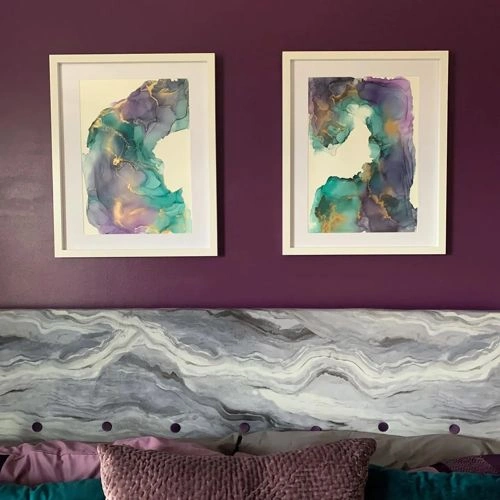
Little Greene Adventurer 7
Contentsshow +hide -
- Adventurer for bedroom (3 photos)
- Adventurer for living room (10 photos)
- Little Greene Adventurer reviews (12 photos)
- What are Little Greene Adventurer undertones?
- Is Adventurer 7 cool or warm?
- How light temperature affects on Adventurer
- Complementary color scheme
- Color comparison and matching
- Color codes
- Color equivalents
| Official page: | Adventurer 7 |
| Code: | 7 |
| Name: | Adventurer |
| Brand: | Little Greene |
| Collections: | Colours of England, Colour Scales |
What color is Little Greene Adventurer?
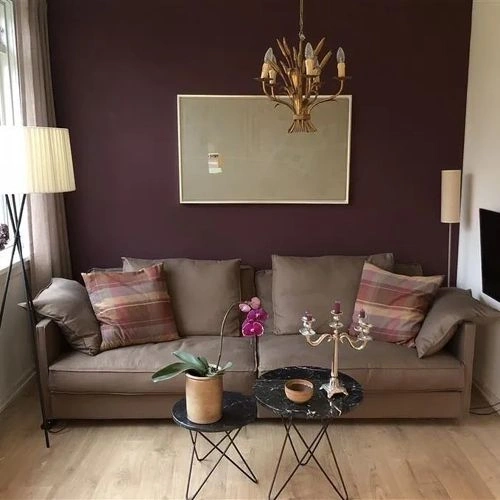
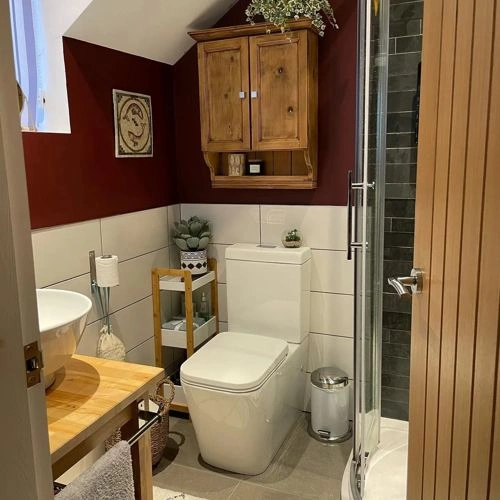
Little Greene Adventurer 7 is a deep, muted red with a smoky plum-brown cast. Its low-light character gives walls a grounded, enclosing effect, while brighter daylight can draw out the warmer red notes. Use Adventurer in a dining room, study, or small cloakroom where a darker colour can feel intentional rather than overwhelming. It has enough depth for cabinetry or a painted fireplace surround, especially alongside warm off-whites, aged brass, walnut, and natural linen. For contrast, pair this shade with pale stone tones or a restrained blue-grey.
Adventurer for bedroom (3 photos)
We’ve hand-picked a beautiful collection of photos of this amazing red shade used in real bedrooms. Take a look and imagine how this wonderful warm dark paint color could transform your own bedroom space.
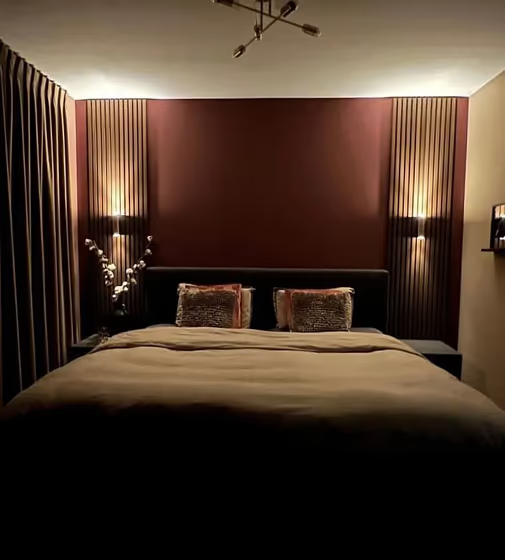
@verfbehangmarcovandenberg
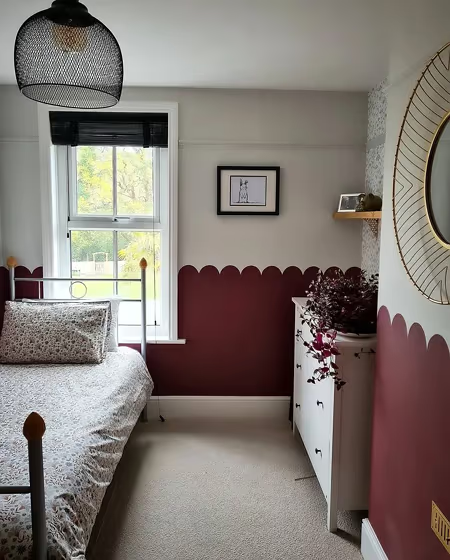
@the_bees_edwardian
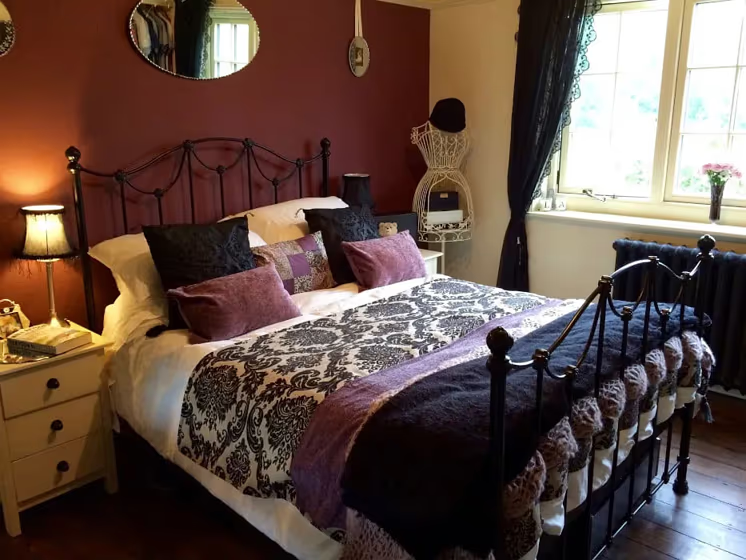
Pinterest Edwardian Cottage Renovation
Adventurer for living room (10 photos)
Check out this stunning dark color used in real living rooms. Explore how this red shade can create a unique space
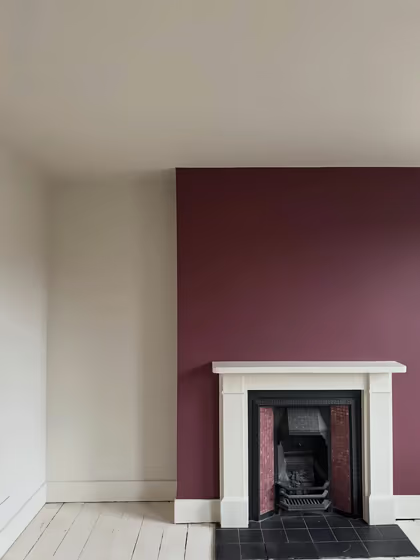
@paintwisedecorators
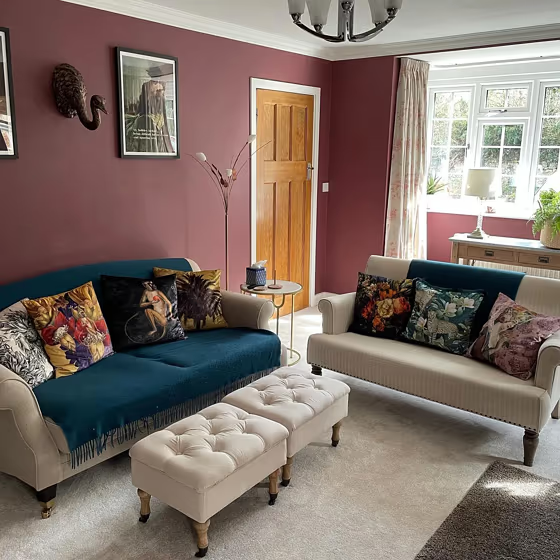
@mumofelfiecat
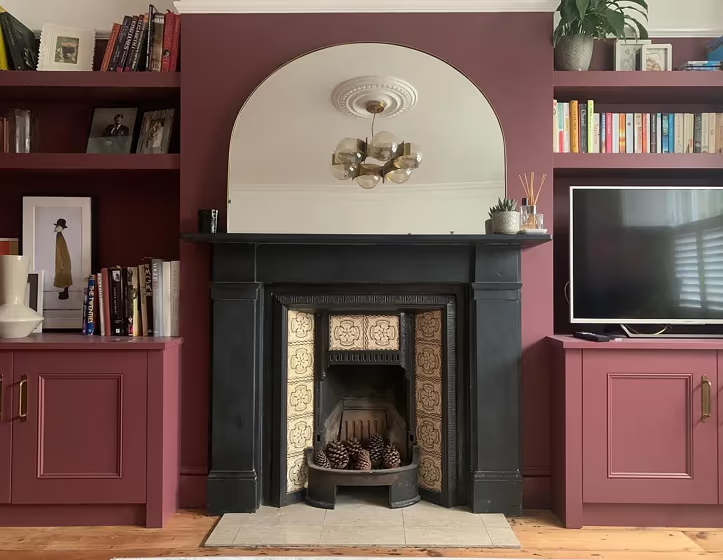
@yellowbricksandblackbirds
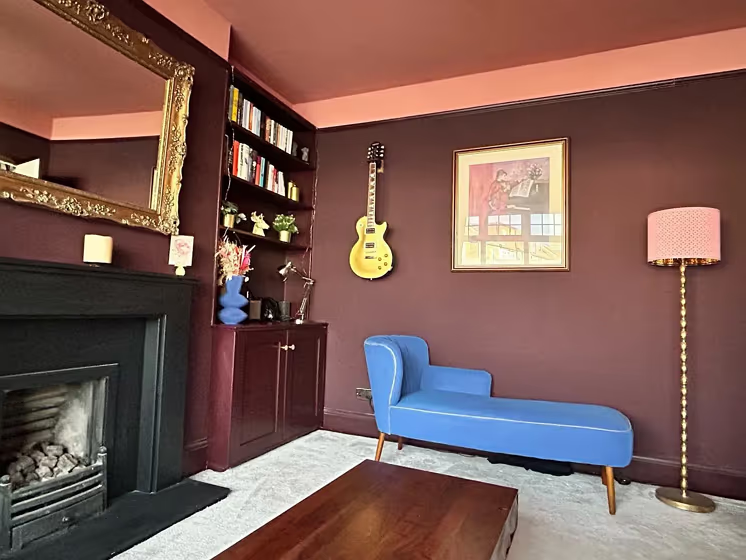
@hannahcowiedesigns_
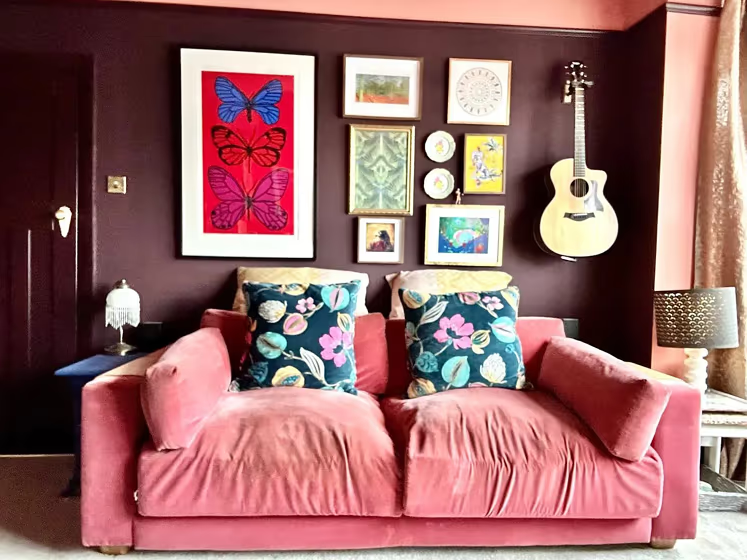
@hannahcowiedesigns_
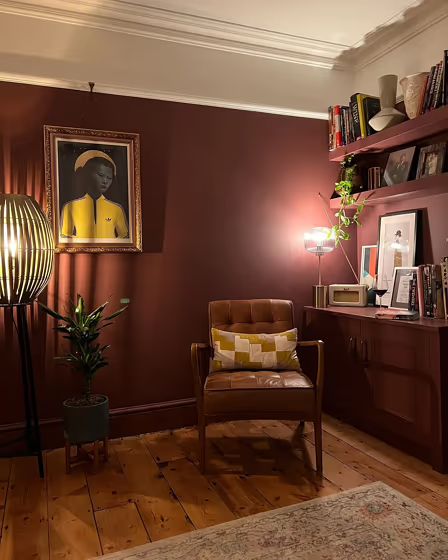
@yellowbricksandblackbirds
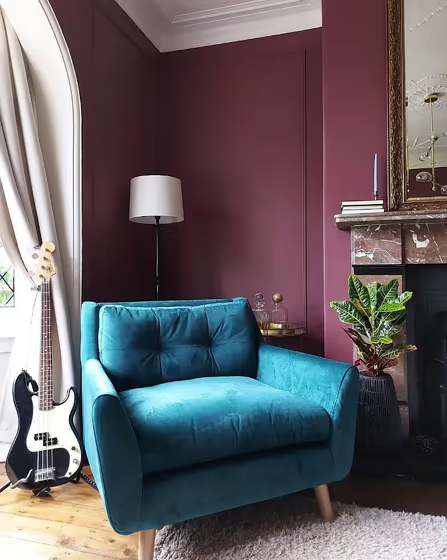
@rosemounthouse
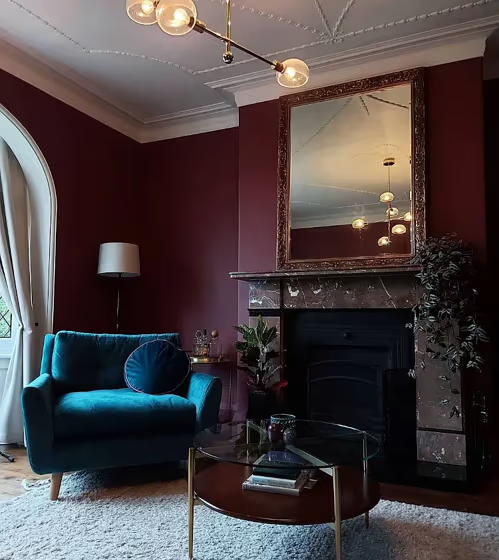
@rosemounthouse
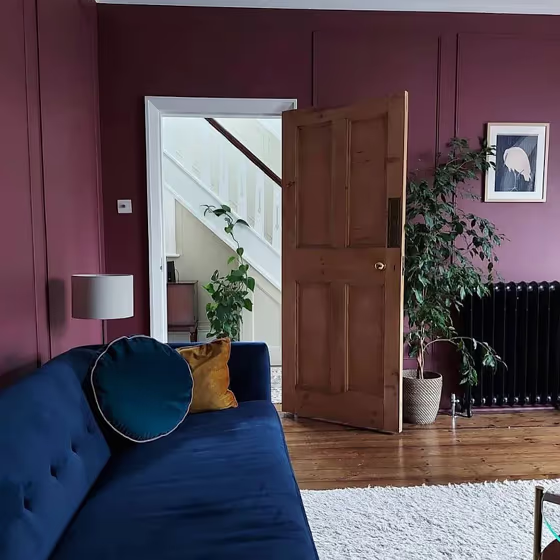
@thedesignhub.uk
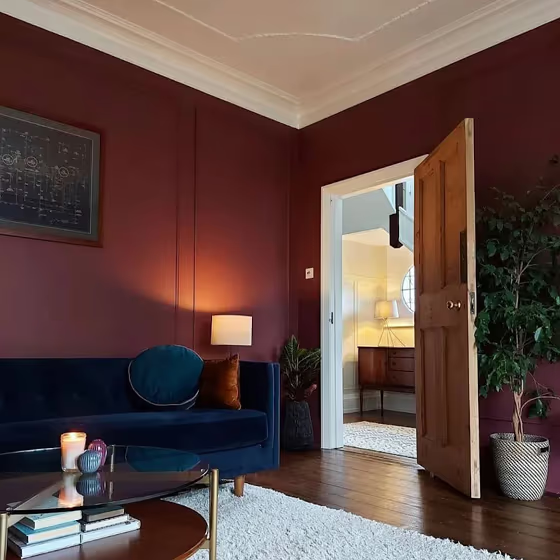
@thedesignhub.uk
Little Greene Adventurer reviews (12 photos)
View the photos of real spaces painted with this red that were not included in specific categories. Close-ups, painted furniture, storages and dressers, hallways, stairs and ceilings.
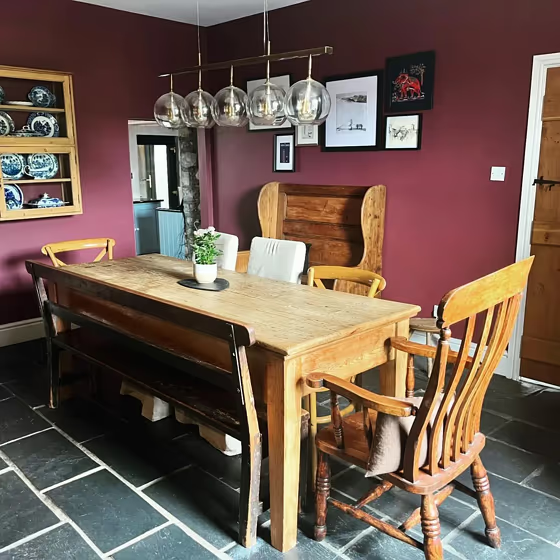
@welsh_1930s_home
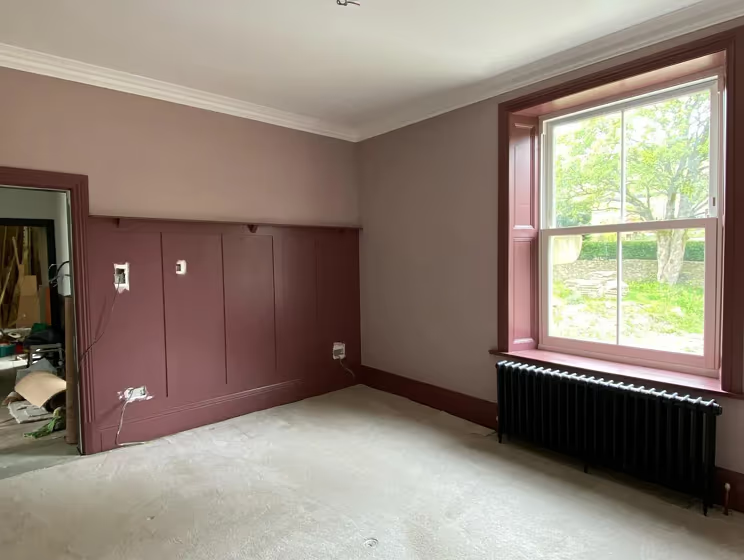
@holden_house_renovation
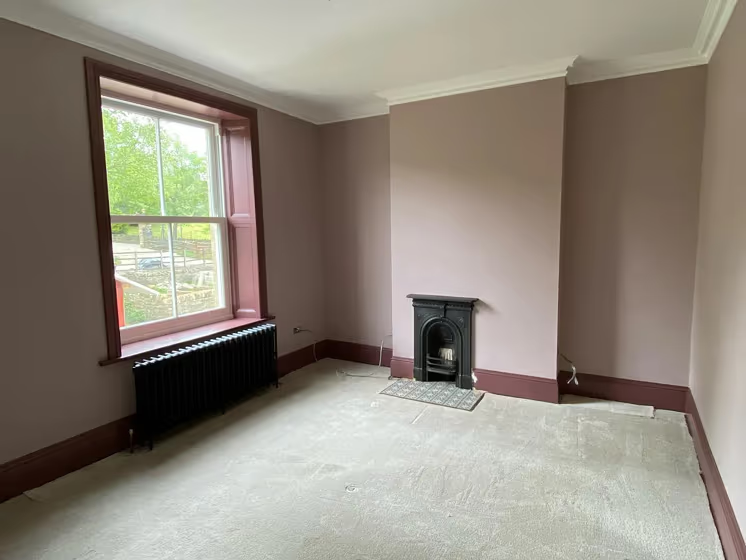
@holden_house_renovation
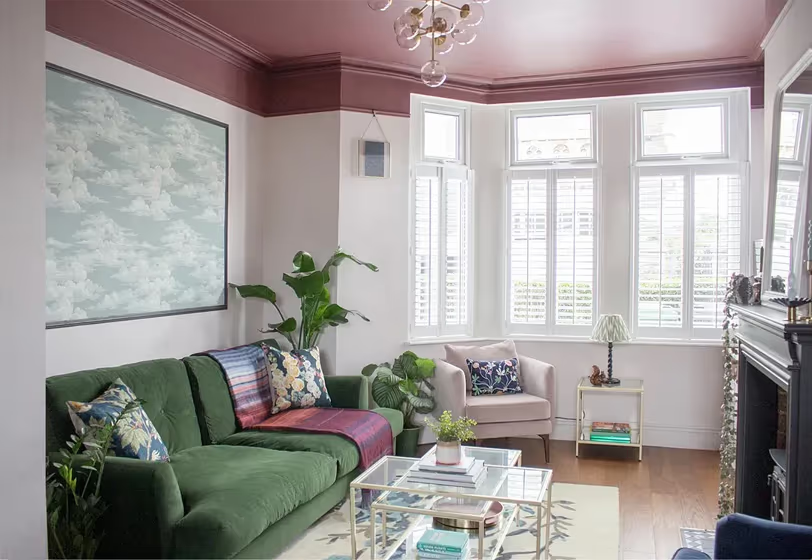
@louise_m_interiors
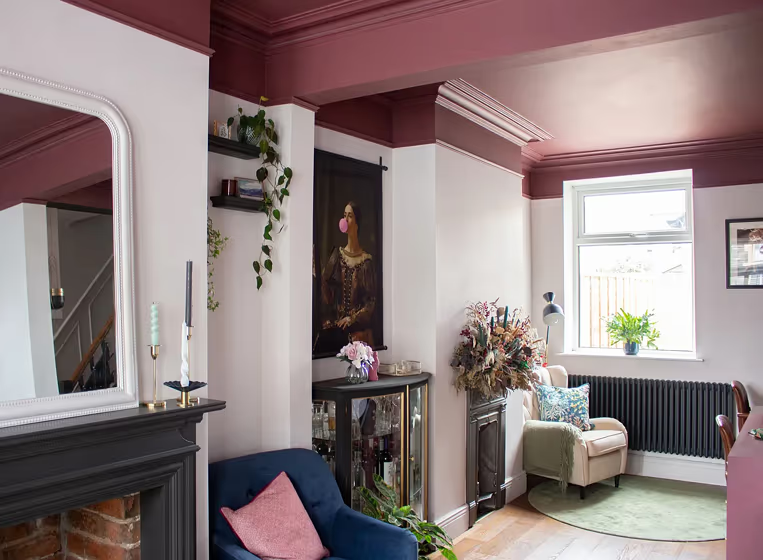
@louise_m_interiors
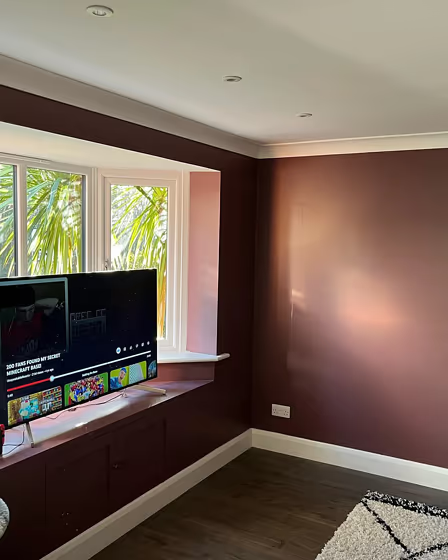
@house_to_home_diary
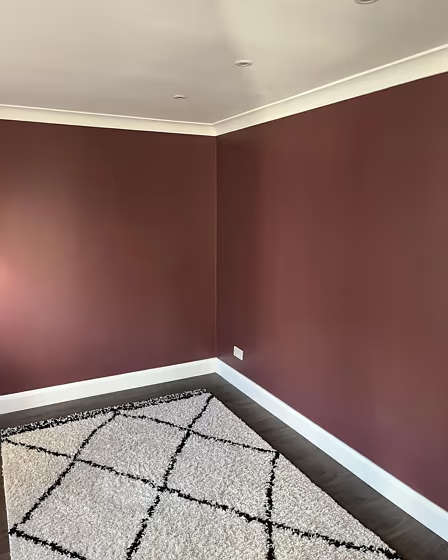
@house_to_home_diary
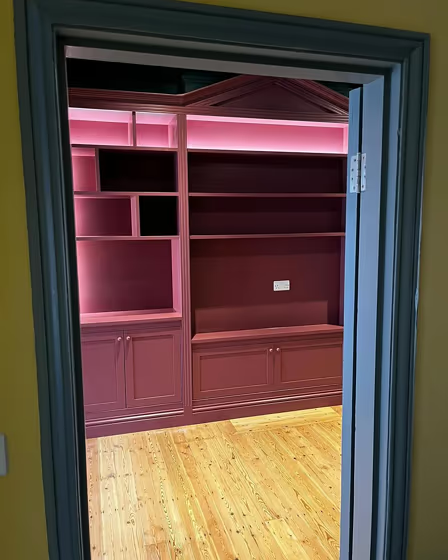
@kalluno_design
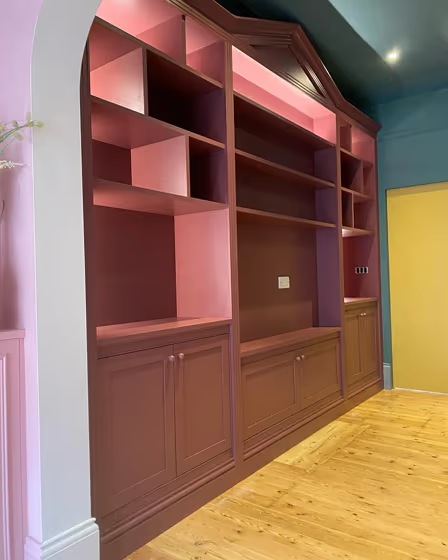
@kalluno_design
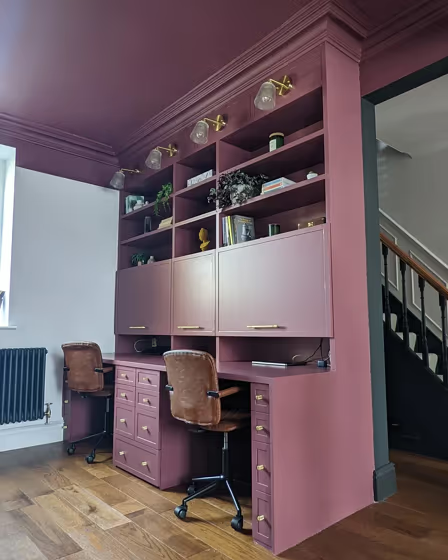
@louise_m_interiors
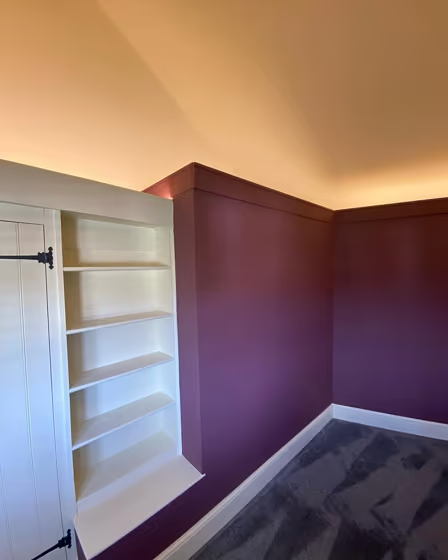
@harrie.interiors
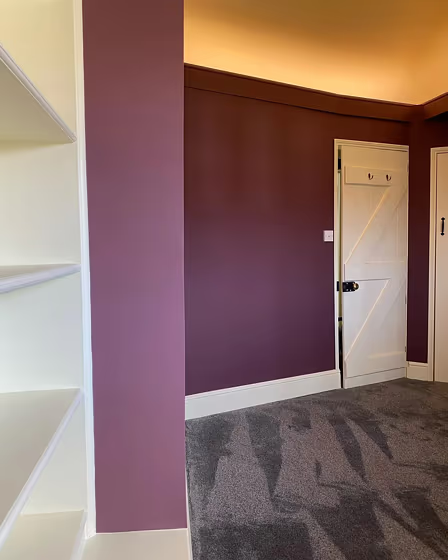
@harrie.interiors
Try before you buy

100% accurate
reusable paint samples

Peel, stick,
and repeat

Twice painted
with real paint

Next day
delivery
What are Little Greene Adventurer undertones?
Adventurer 7 reads as a deep, muted pink-red with moderate softness rather than a bright or vivid finish. In the supplied digital sample, it leans slightly warm and yellow relative to a more neutral red, which gives the red family a subtle earthy, brownish cast without taking it out of the pink-red range. Warm artificial light may bring out that warmer cast, while cool daylight can make the colour appear a little more restrained and red-forward.
Manufacturer information used in this description: official color page.
HEX value:
RGB code:
93, 58, 64
Is Little Greene Adventurer cool or warm?
warm
cool
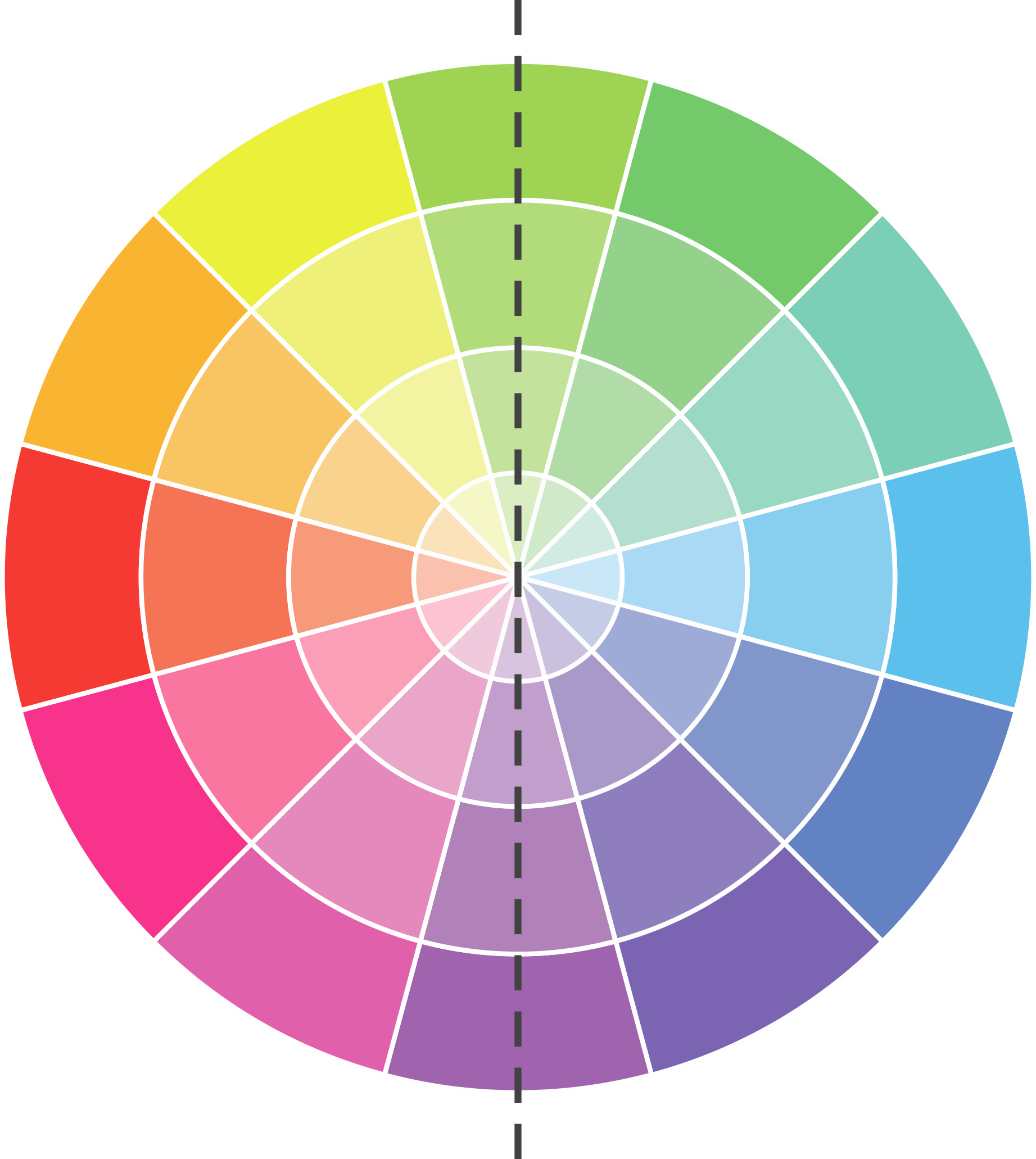
With a hue of 350°, this dark red reads warm on the HSL color wheel.
7 Adventurer HSL code: 350, 23%, 30%
Hue - degree on a color wheel from 0 to 360. 0 is red, 120 is green, and 240 is blue.
Saturation is expressed as a percentage. At 0%, it appears as a shade of grey, and at 100%, it is in full color.
Lightness is also a percentage value. 0% is black, and 100% is white.
How light temperature affects Adventurer
Natural Lighting. During the day, natural light shifts from about 2000 K at sunrise/sunset to 5500–6500 K at noon.
In addition, natural-light temperature depends on its direction:
| Direction of sunlight | Visible temp. | Hue | Duration |
|---|---|---|---|
| North | Cool | Bluish | All day |
| East | Warm | Yellow | Before noon |
| West | Warm | Orange-red | After noon |
| South | Warm | Orange-yellow | All day |
Artificial Lighting. When choosing bulbs, pay attention to their color temperature in Kelvins.
Use the slider to see how this dark red shade looks under different lighting:
Coordinating colors.
Colors that go with Little Greene Adventurer:
Complementary color scheme
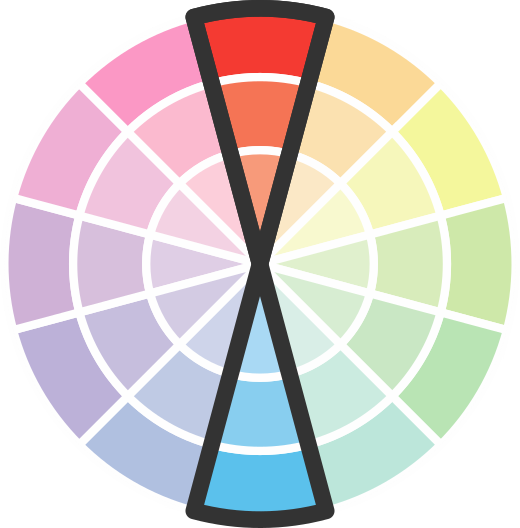
This color scheme is a combination of two shades that are opposite each other on the color wheel. The high contrast between these colors creates a vibrant and dynamic visual effect. For the color Adventurer with a red hue, complementary colors are those with a green hue close to 170, such as Little Greene Three Farm Green and Pleat.







Color codes
We have collected almost every possible color code you could ever need.
Not sure what the difference between HEX and RGB is? We break down color models in plain language. Understanding color models
| Format | Code |
|---|---|
| HEX | #5d3a40 |
| RGB Decimal | 93, 58, 64 |
| RGB Percent | 36.47%, 22.75%, 25.10% |
| HSV | Hue: 350° Saturation: 37.63% Value: 36.47% |
| HSL | hsl(350, 23, 30) |
| CMYK | Cyan: 0.0 Magenta: 37.63 Yellow: 31.18 Key: 63.53 |
| YIQ | Y: 69.149 I: 18.928 Q: 9.271 |
| XYZ | X: 6.953 Y: 5.724 Z: 5.588 |
| CIE Lab | L:28.705 a:16.417 b:2.755 |
| CIE Luv | L:28.705 u:20.886 v:0.672 |
| Decimal | 6109760 |
| Hunter Lab | 23.925, 10.006, 2.9 |
Color equivalents
222
Brinjal
Farrow and Ball

Dark Garnet
Dulux
90RR 08/129
Cherry Chocolate
Dulux
78RR 06/137
Finest Burgundy
Dulux
70RR 07/100
Maraschino Mocha 2
Dulux
297
Preferenced Red
Farrow and Ball

Cocoa Blush 2
Dulux
M425
Beetroot
Tikkurila

52RR 06/105
Rouge Noir
Dulux
13YR 07/157
Tempered Chocolate
Dulux
84RR 05/082
Cocoa Blush 1
Dulux
80RR 07/260
Moroccan Velvet 1
Dulux
72RR 05/147
Garnet Symphony 1
Dulux
Velvet Robe
Dulux
30YR 07/157
Bitter Chocolate 2
Dulux
10RR 09/150
Mulberry Burst
Dulux

48RR 08/222
Summer Surprise 1
Dulux
Royal Berry
Dulux