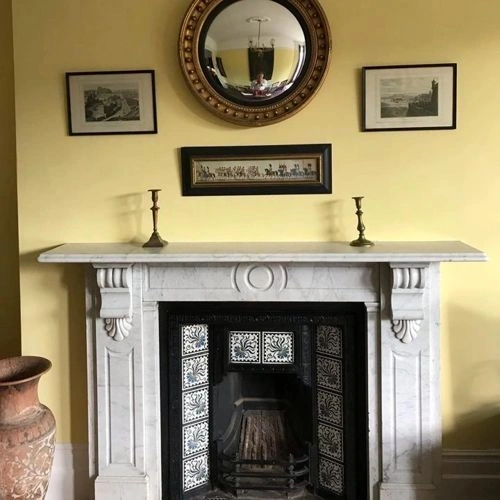
Tikkurila Lemonade H300
Contentsshow +hide -
| Code: | H300 |
| Name: | Lemonade |
| Brand: | Tikkurila |
What color is Tikkurila Lemonade?
Introduce a sunny disposition to your space with Tikkurila H300 Lemonade. This vibrant yellow hue (HE241) brings a cheerful and refreshing vibe to any room. Pair it with cool neutrals like Tikkurila G435 Fresh Linen and warm tones such as Tikkurila Y487 Sunbeam for a harmonious color scheme. Elevate the look with accents in Tikkurila G497 Pearl Grey or Tikkurila R472 Coral Pink to create a dynamic and inviting atmosphere. Embrace the zest of Tikkurila H300 Lemonade and transform your space into a lively and welcoming sanctuary.
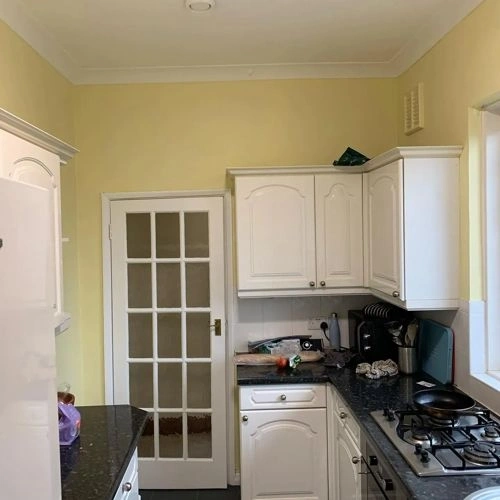
Tikkurila Lemonade reviews (7 photos)
View the photos of real spaces painted with this yellow that were not included in specific categories. Close-ups, painted furniture, storages and dressers, hallways, stairs and ceilings.
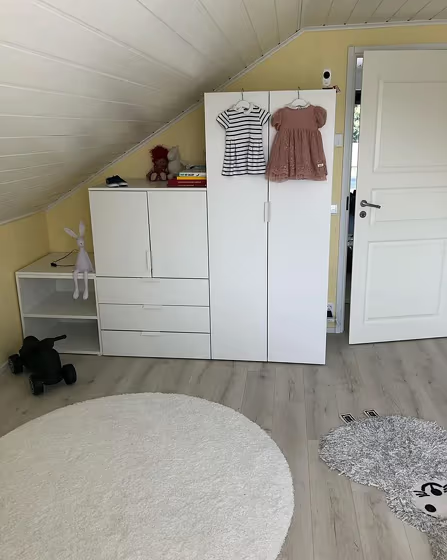
@savimaatalo
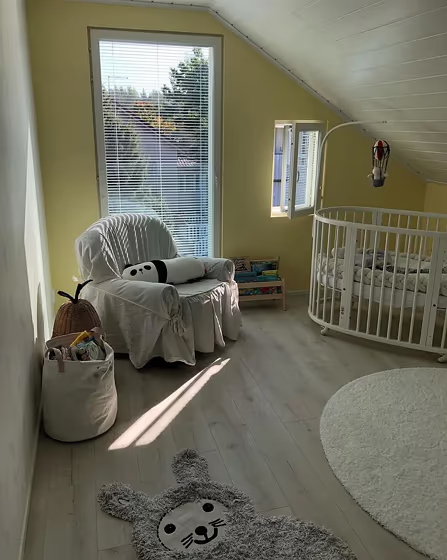
@savimaatalo
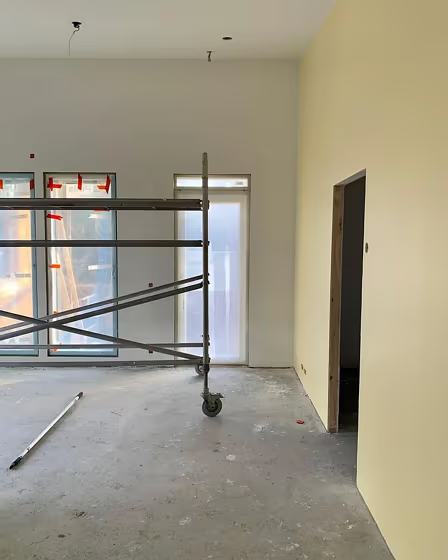
@raksanarkea
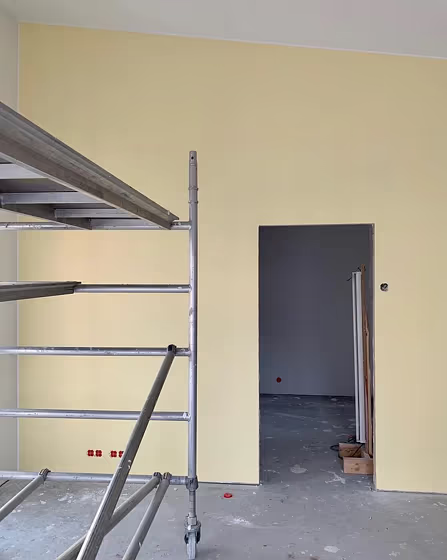
@raksanarkea
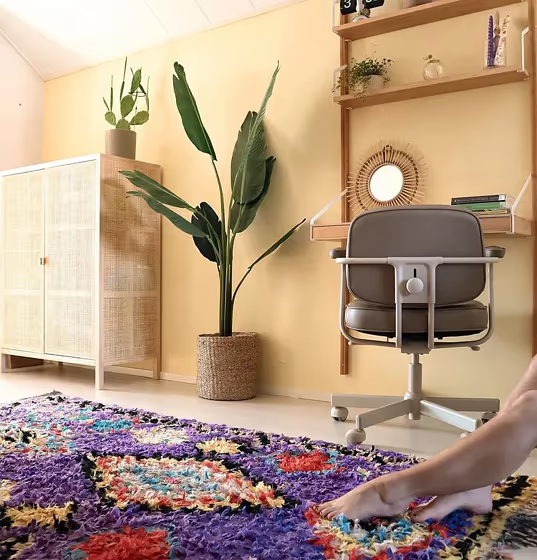
@jenni.irene
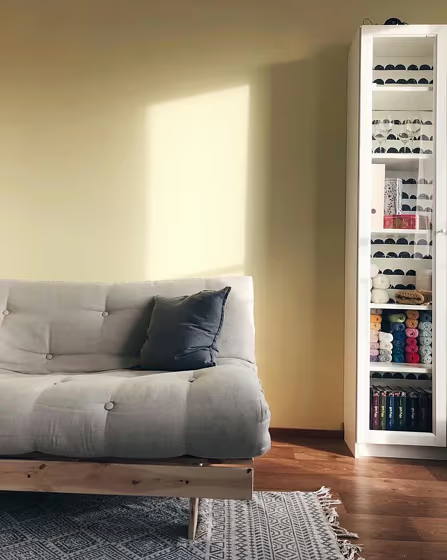
@minnahukassa
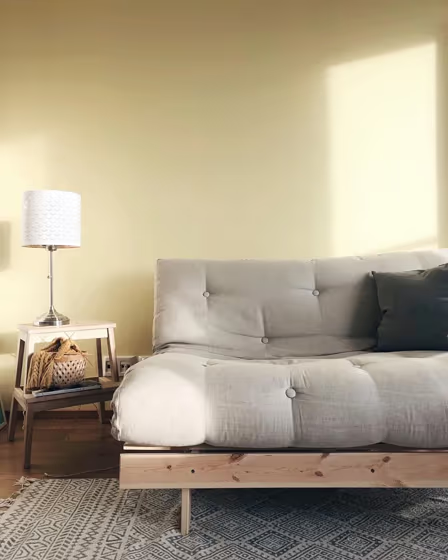
@minnahukassa
Try before you buy

100% accurate
reusable paint samples

Peel, stick,
and repeat
Twice painted
with real paint

Next day
delivery
What are Tikkurila Lemonade undertones?
Lemonade is a near-white, soft warm cream. The HEX sample leans yellow-orange; this describes its measurable digital hue direction, not a hidden paint pigment. Warm bulbs can make it look creamier or more golden, while cool daylight may mute that warmth and pull it closer to beige or greige.
HEX value:
RGB code:
252, 232, 179
Is Tikkurila Lemonade cool or warm?
warm
cool
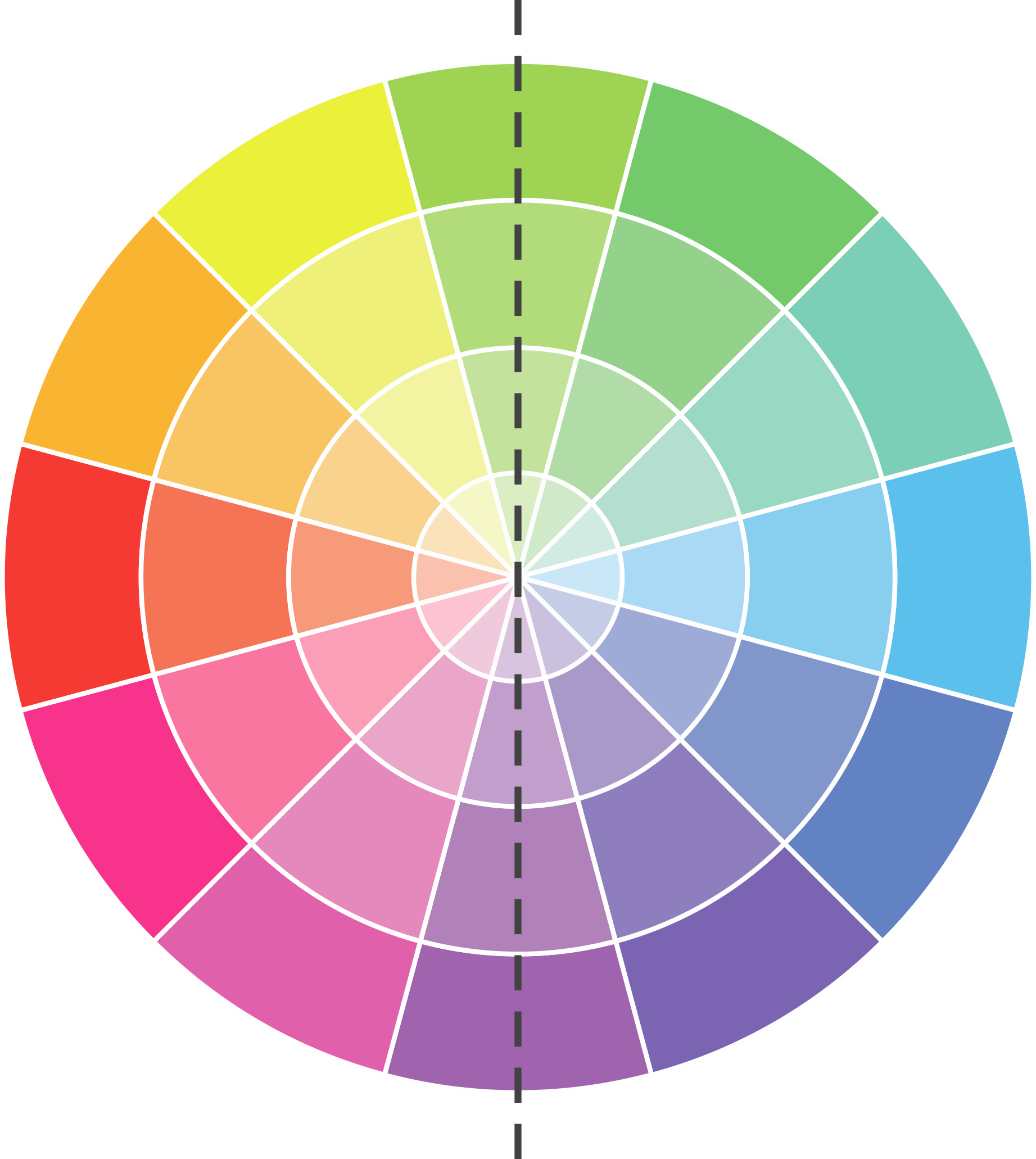
At 44° on the HSL hue wheel, this Yellow sits firmly on the warm side.
H300 Lemonade HSL code: 44, 92%, 85%
Hue - degree on a color wheel from 0 to 360. 0 is red, 120 is green, and 240 is blue.
Saturation is expressed as a percentage. At 0%, it appears as a shade of grey, and at 100%, it is in full color.
Lightness is also a percentage value. 0% is black, and 100% is white.
How light temperature affects Lemonade
Natural Lighting. During the day, natural light shifts from about 2000 K at sunrise/sunset to 5500–6500 K at noon.
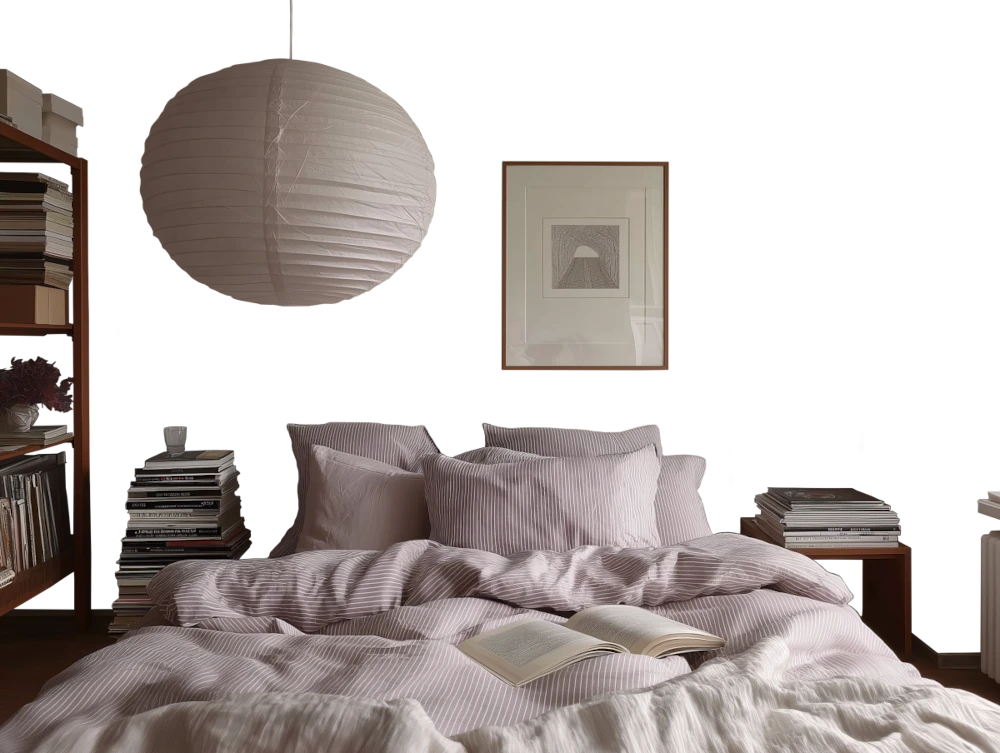
In addition, natural-light temperature depends on its direction:
| Direction of sunlight | Visible temp. | Hue | Duration |
|---|---|---|---|
| North | Cool | Bluish | All day |
| East | Warm | Yellow | Before noon |
| West | Warm | Orange-red | After noon |
| South | Warm | Orange-yellow | All day |
Artificial Lighting. When choosing bulbs, pay attention to their color temperature in Kelvins.
Use the slider to see how this Yellow shade looks under different lighting:
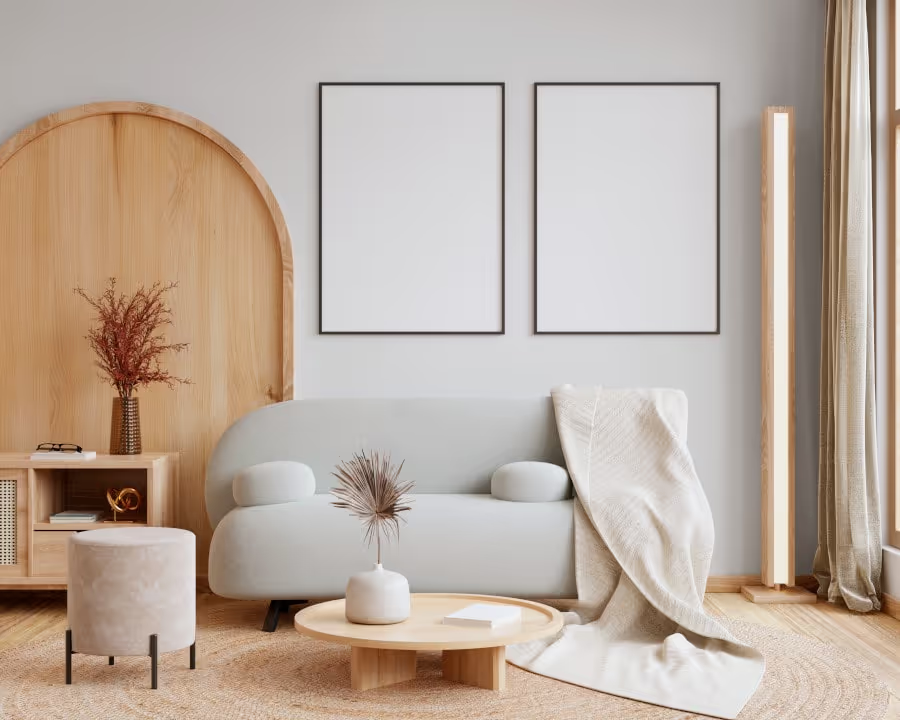
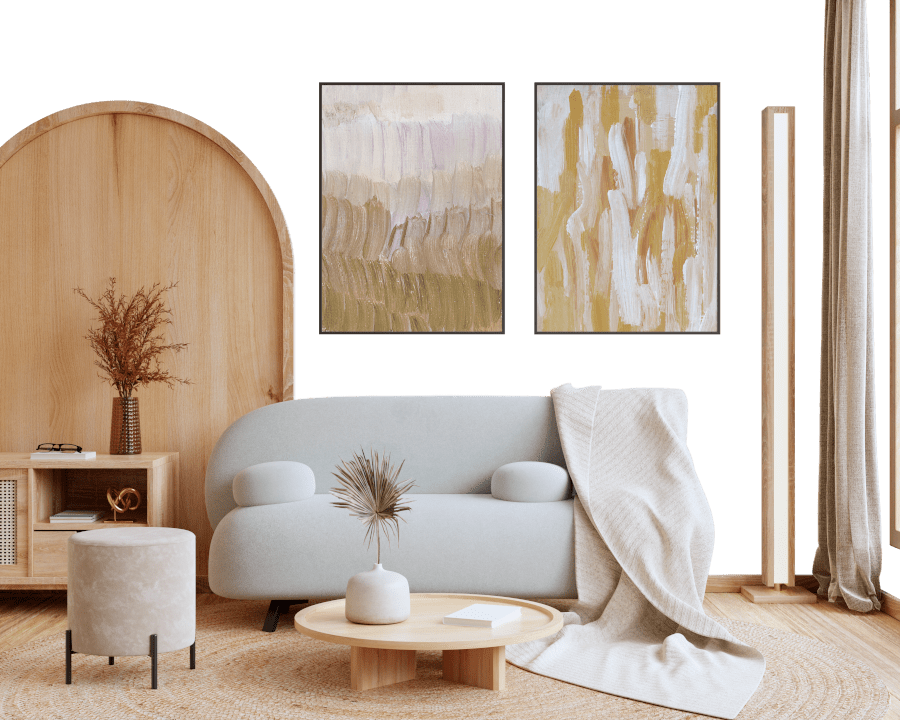
4000K
LRV of Lemonade
Lemonade has an LRV of 80.58% and refers to Off‑White colors that reflect a lot of light. Why LRV is important?
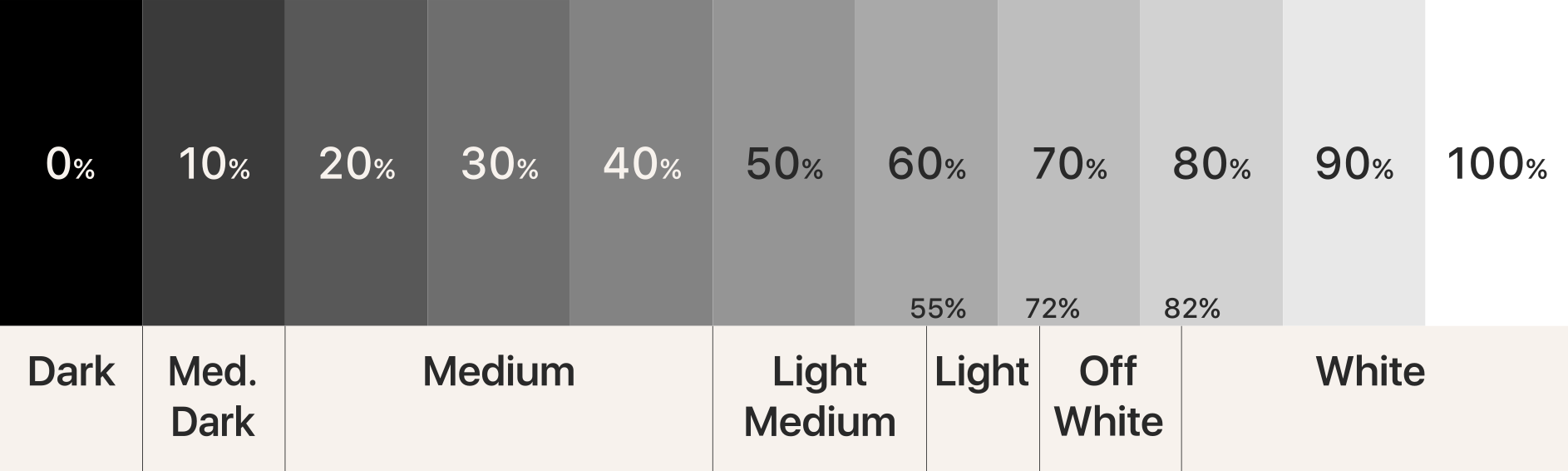
Light Reflectance Value measures the amount of visible and usable light that reflects from a painted surface.
Simply put, the higher the LRV of a paint color, the brighter the room you will get.
The scale goes from 0% (absolute black, absorbing all light) to 100% (pure white, reflecting all light).
Act like a pro: When choosing paint with an LRV of 80.58%, pay attention to your bulbs' brightness. Light brightness is measured in lumens. The lower the paint's LRV, the higher lumen level you need. Every square foot of room needs at least 40 lumens. That means for a 200 ft2 living room you'll need about 8000 lumens of light – e.g., eight 1000 lm bulbs.
Color codes
We have collected almost every possible color code you could ever need.
Not sure what the difference between HEX and RGB is? We break down color models in plain language. Understanding color models
| Format | Code |
|---|---|
| HEX | #FCE8B3 |
| RGB Decimal | 252, 232, 179 |
| RGB Percent | 98.82%, 90.98%, 70.20% |
| HSV | Hue: 44° Saturation: 28.97% Value: 98.82% |
| HSL | hsl(44, 92, 85) |
| CMYK | Cyan: 0.0 Magenta: 7.94 Yellow: 28.97 Key: 1.18 |
| YIQ | Y: 231.938 I: 28.949 Q: -12.263 |
| XYZ | X: 77.138 Y: 81.666 Z: 54.335 |
| CIE Lab | L:92.427 a:-0.97 b:28.306 |
| CIE Luv | L:92.427 u:15.33 v:40.036 |
| Decimal | 16574643 |
| Hunter Lab | 90.369, -5.78, 27.61 |
Color equivalents
54YY 85/291
Vanilla Sundae
Dulux


Pale Citrus
Dulux
56YY 86/241
Banana Dream 5
Dulux
45YY 83/250
Buttercup Fool 5
Dulux

60YY 80/288
Easter Morn 5
Dulux
Buttercup Cloud
Dulux
H303
Joy
Tikkurila
62YY 86/253
Citrus Sorbet
Dulux
1626
Zest
Jotun
60YY 83/219
Easter Morn 6
Dulux
Wild Primrose
Dulux
70YY 78/248
Forest Lake 5
Dulux
G304
Tikkurila

35YY 78/269
Golden Fern 4
Dulux
10541
Sunkissed
Jotun
40YY 77/242
Desert Island 5
Dulux
8012
Marigold White
Jotun
53YY 83/348
Banana Dream 4
Dulux
50YY 83/200
Banana Dream 6
Dulux
233
Dayroom Yellow
Farrow and Ball