
Farrow and Ball Dimity vs. Farrow and Ball Graupel
The colors, each unique in their hue and saturation, embody their own individual beauty and value. It's important to note that the colors have different hues. Farrow and Ball 2008 leans towards orange hues, while Farrow and Ball G10 is blue.
Farrow and Ball 2008 and Farrow and Ball G10 have pretty similar saturation.
Despite their differences, both colors share a similar value, Farrow and Ball 2008 radiating a lighter essence compared to G10.
Supported paint brands for comparison: Behr, Benjamin Moore, Farrow and Ball, Dulux, Jotun, Little Greene, NCS, Ral Classic, Ral Design, Ral Effect, Sherwin Williams, Valspar, Tikkurila
First color
Second color

| Farrow and Ball Dimity | Farrow and Ball Graupel |
|---|---|
| Hue | |
| 36°orange | 219°blue |
| Saturation | |
| 44% | 47%more saturated |
| Lightness?Simple 0–100% measure derived from the minimum and maximum sRGB channels. Use CIE L* for perceptual lightness. | |
| 88% | 83%darker |
| LRV?Light Reflectance Value measures the percentage of light reflected by a color, from 0 for absolute black to 100 for pure white. | |
| 77.85 | - |
| CIE L?Perceptual lightness. CIE Lab lightness ranges from 0 for black to 100 for diffuse white. | |
| 90.697 | 82.472looks darker |
| Color difference ΔE*₀₀?CIE color difference. Smaller is closer: about 0–1 is imperceptible, 1–2 just noticeable, 2–5 a small difference, 5–10 clear, and more than 10 very different. | |
| 19.545 | |
| Temperature | |
| Warm | Cool |
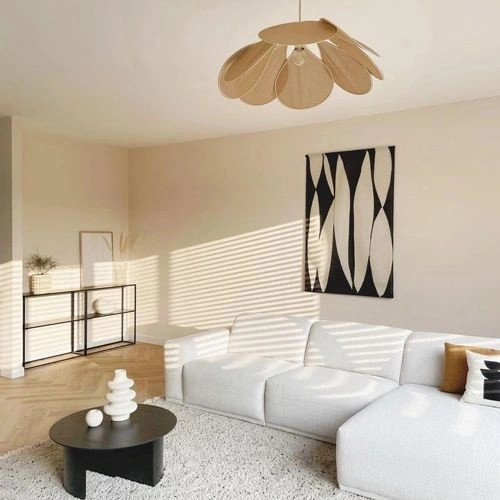

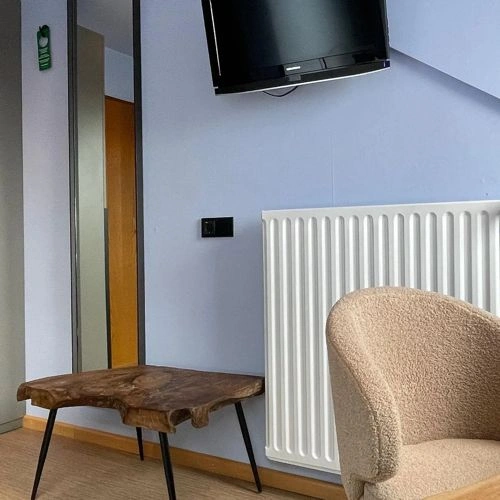
Please note that the color shown on this page is a representation and might not exactly match the real shade of the cards, fan decks, or color collections. Your monitor, browser, and screen angle can all affect how the paint looks, so it may not be the same as what you see here. All information on this page is based on RGB and HEX values provided by manufacturers.
It's important to keep in mind that the same color may appear differently on various surfaces due to the nature of those surfaces. For example, the same shade will look different on a rough wall compared to the smooth surface of cabinets.
Color comparisons featuring Farrow and Ball Dimity

2008 Dimity vs 075 Flamingo Orange


2008 Dimity vs N180-1 Barely Brown

2008 Dimity vs 11 Stone White

2008 Dimity vs 1101 Fennel Seed

2008 Dimity vs 1102 Boardwalk

2008 Dimity vs CW-135 Raleigh Sorrel

2008 Dimity vs HC-47 Brookline Beige

2008 Dimity vs HC-48 Bradstreet Beige

2008 Dimity vs HC-57 Sheraton Beige

2008 Dimity vs 114 Beachcrest Sand

2008 Dimity vs 1114 Heartsmere

2008 Dimity vs CW-365 Byrd Beige

2008 Dimity vs 941 Seaspray

2008 Dimity vs 12083 Devine

2008 Dimity vs CSP-755 Dusty Miller

2008 Dimity vs OC-84 Crème Caramel

2008 Dimity vs CB4 Romesco

2008 Dimity vs 1230 Oregon Trail

2008 Dimity vs 1376 Mist

2008 Dimity vs 1358 Dark Walnut

2008 Dimity vs S 0500-N

2008 Dimity vs X47R94B Elk Antler

2008 Dimity vs 38 Biscuit

2008 Dimity vs 40YY 73/028 Chiltern White

2008 Dimity vs F398 Dough

2008 Dimity vs 11218 Balmy Yellow

2008 Dimity vs G7 Pond Green

2008 Dimity vs 2137-40 Desert Twilight

2008 Dimity vs 2003-6B Sweet Marmalade

2008 Dimity vs 3008-5A Golden Avocado

2008 Dimity vs 1465 Nimbus

2008 Dimity vs 2099-70 Wheatberry

2008 Dimity vs 1184 Pensacola Pink

2008 Dimity vs SW6056 Polite White

2008 Dimity vs SW6658 Welcome White