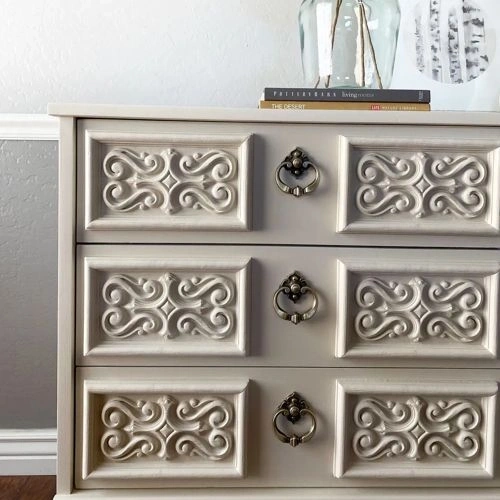
Benjamin Moore Everlasting 1038
Contentsshow +hide -
- Everlasting for bedroom (2 photos)
- Everlasting for living room (5 photos)
- Everlasting for exterior (1 photo)
- What are Benjamin Moore Everlasting undertones?
- Is Everlasting 1038 cool or warm?
- How light temperature affects on Everlasting
- Monochromatic color scheme
- Complementary color scheme
- Color comparison and matching
- LRV of Everlasting 1038
- Color codes
- Color equivalents
| Official page: | Everlasting 1038 |
| Code: | 1038 |
| Name: | Everlasting |
| Brand: | Benjamin Moore |
What color is Benjamin Moore Everlasting?
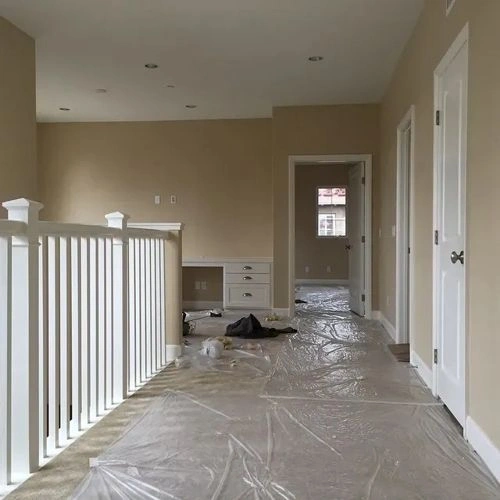
Benjamin Moore Everlasting 1038 is a light, muted beige with a noticeable warm cast and soft tan-gold undertones. Its low saturation keeps it from reading too yellow, giving walls a gently weathered, natural look rather than a crisp cream finish. In bright daylight, this shade can appear pale and sandy; under warm artificial light, its beige warmth becomes more apparent. It suits living rooms, bedrooms, and hallways where a quiet neutral backdrop is wanted, especially alongside oak, linen, woven fibers, and aged brass. Pair Everlasting with off-white trim, deeper camel accents, or muted olive and clay tones for a grounded palette.
Everlasting for bedroom (2 photos)
We’ve hand-picked a beautiful collection of photos of this amazing beige shade used in real bedrooms. Take a look and imagine how this wonderful warm light paint color could transform your own bedroom space.
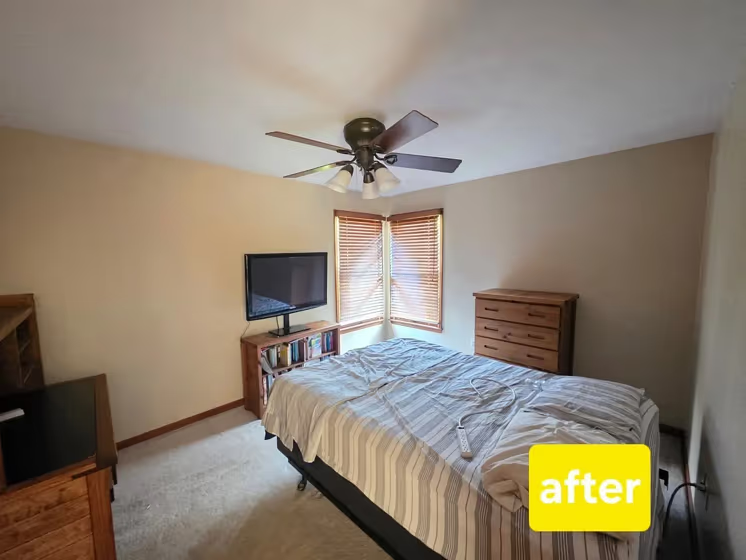
@fgbpainting
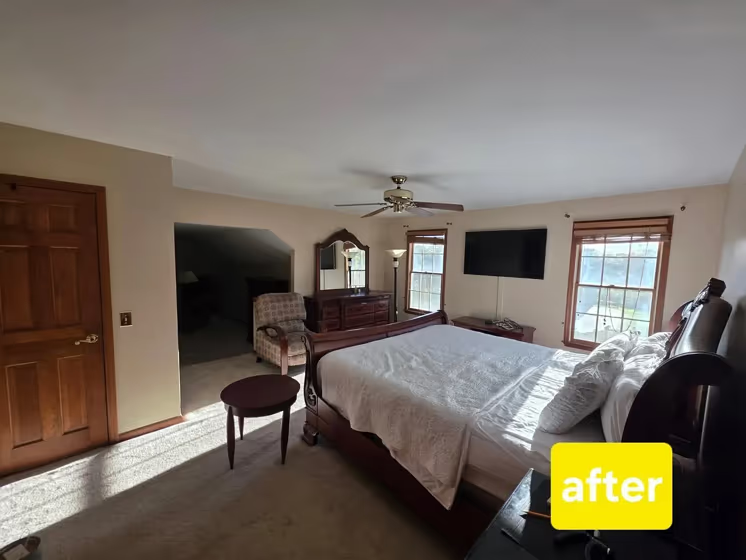
@fgbpainting
Everlasting for living room (5 photos)
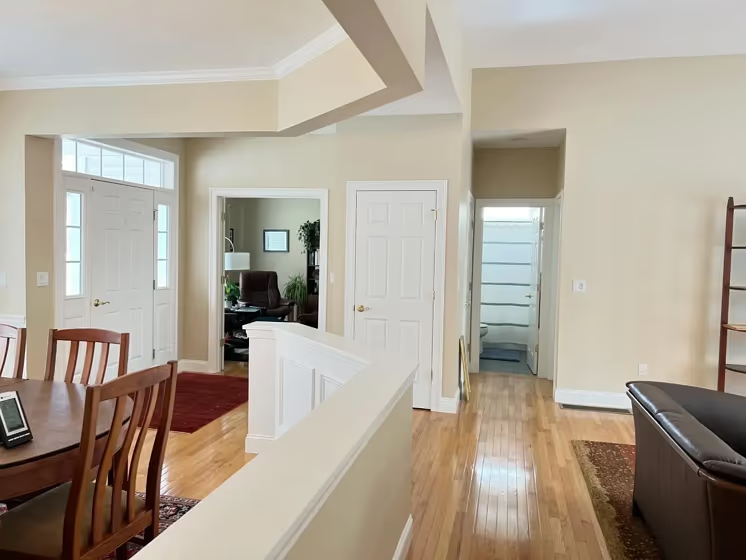
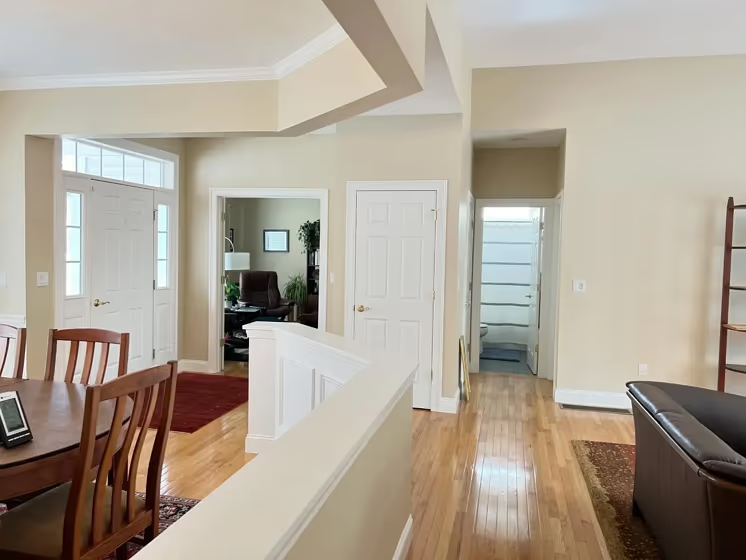
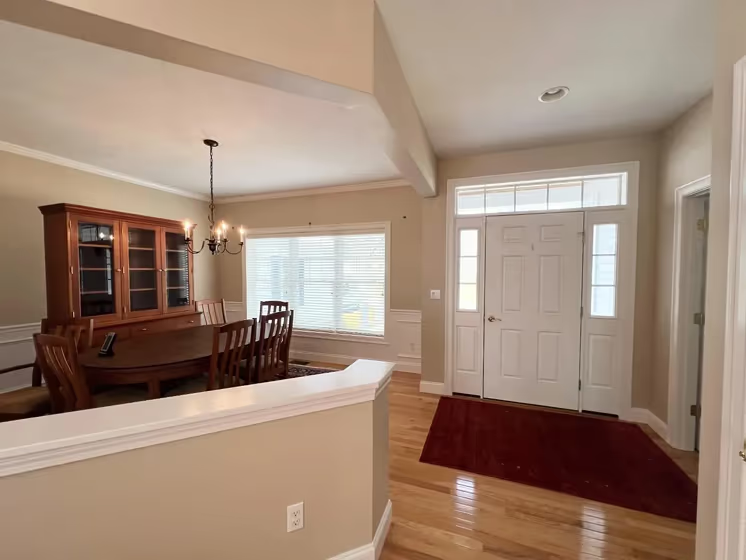
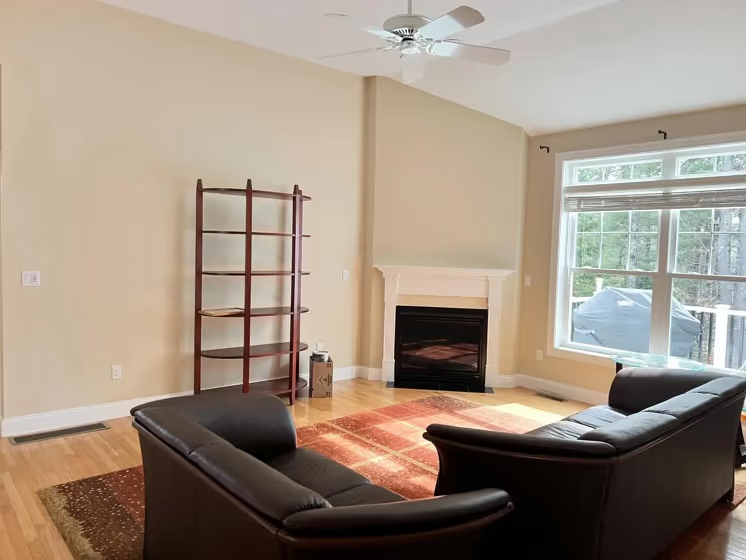
Check out this stunning light color used in real living rooms. Explore how this beige shade can create a unique space
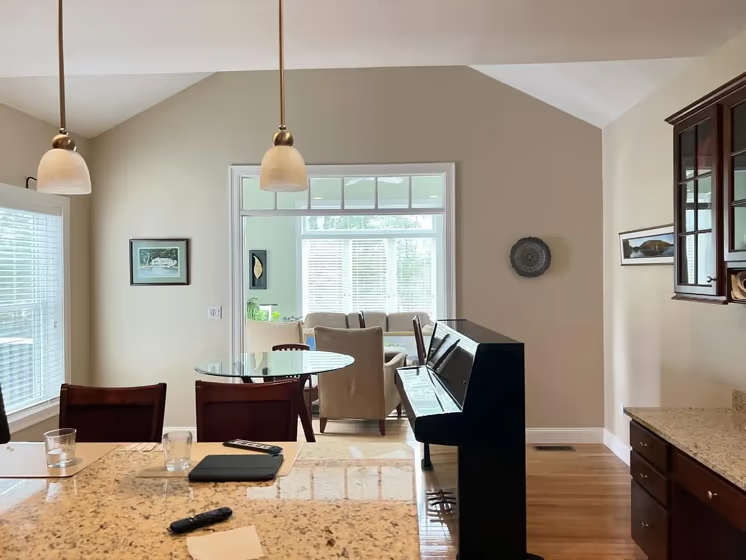
@tracyadamspainting
@tracyadamspainting
@tracyadamspainting
@tracyadamspainting
@tracyadamspainting
Everlasting for exterior
Looking for a fresh new look for your house exterior or starting from skretch? We’ve collected pictures of real-life homes that have been painted with this warm beige hue. Find inspiration for your house’s exterior, front doors, gates, shutters, frames or windows.
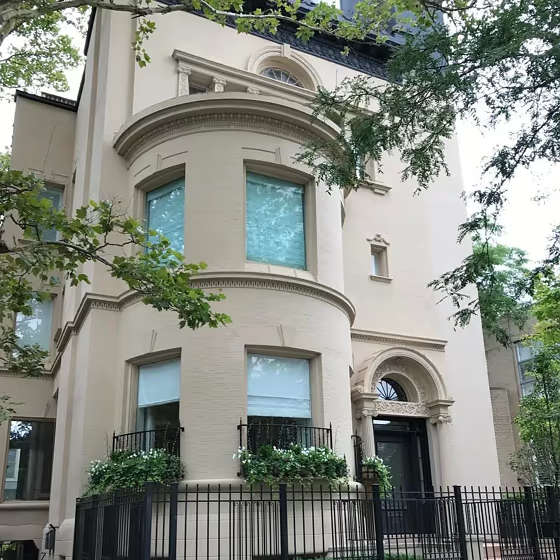
@jclicht
Try before you buy

100% accurate
reusable paint samples
Peel, stick,
and repeat
Twice painted
with real paint

Next day
delivery
What are Benjamin Moore Everlasting undertones?
Everlasting is a light, muted golden beige. The HEX sample leans yellow-orange; this describes its measurable digital hue direction, not a hidden paint pigment. Warm bulbs can make it look creamier or more golden, while cool daylight may mute that warmth and pull it closer to beige or greige.
HEX value:
RGB code:
220, 204, 179
Is Benjamin Moore Everlasting cool or warm?
warm
cool
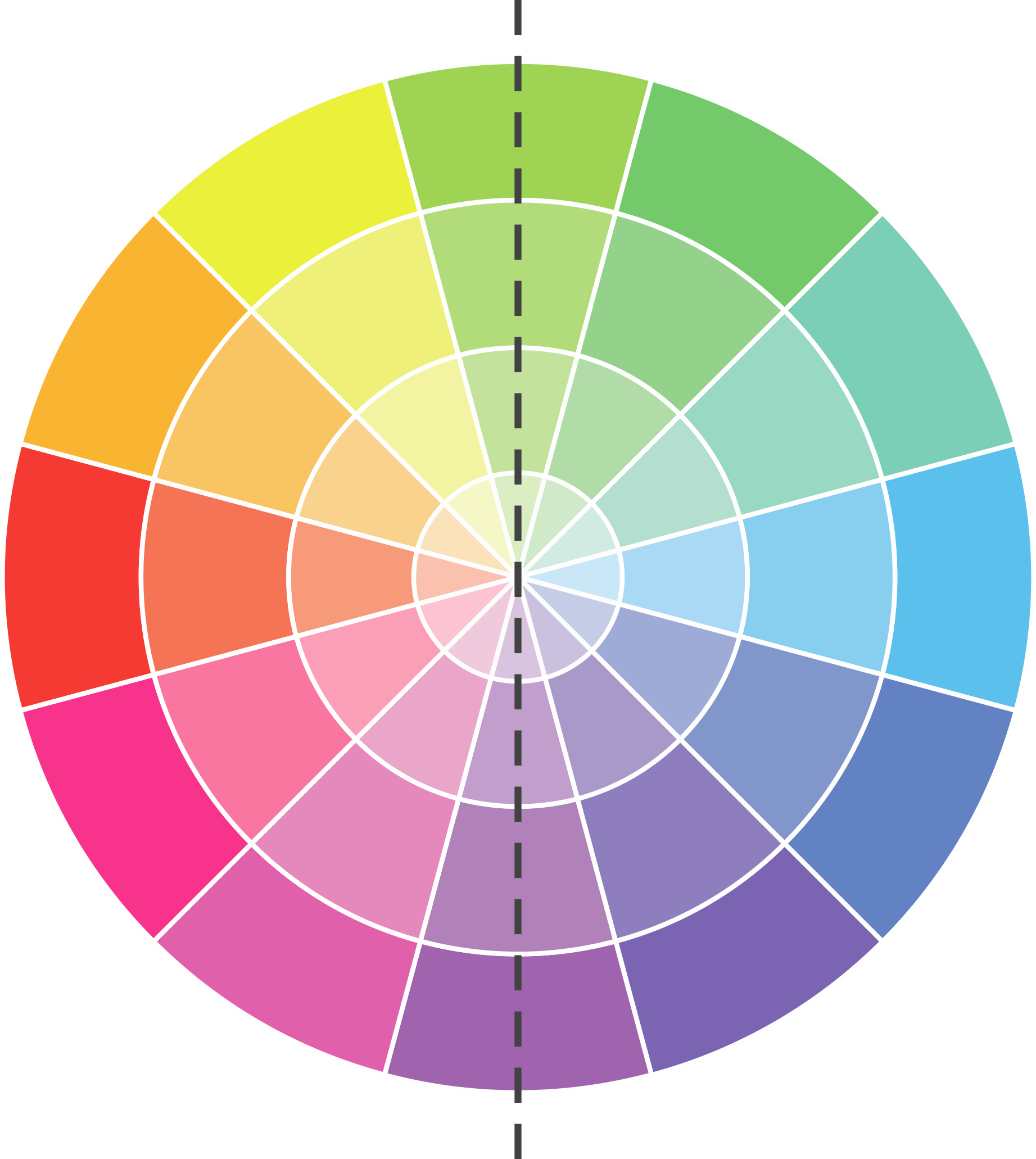
With a hue of 37°, this Beige reads warm on the HSL color wheel.
1038 Everlasting HSL code: 37, 37%, 78%
Hue - degree on a color wheel from 0 to 360. 0 is red, 120 is green, and 240 is blue.
Saturation is expressed as a percentage. At 0%, it appears as a shade of grey, and at 100%, it is in full color.
Lightness is also a percentage value. 0% is black, and 100% is white.
How light temperature affects Everlasting
Natural Lighting. During the day, natural light shifts from about 2000 K at sunrise/sunset to 5500–6500 K at noon.
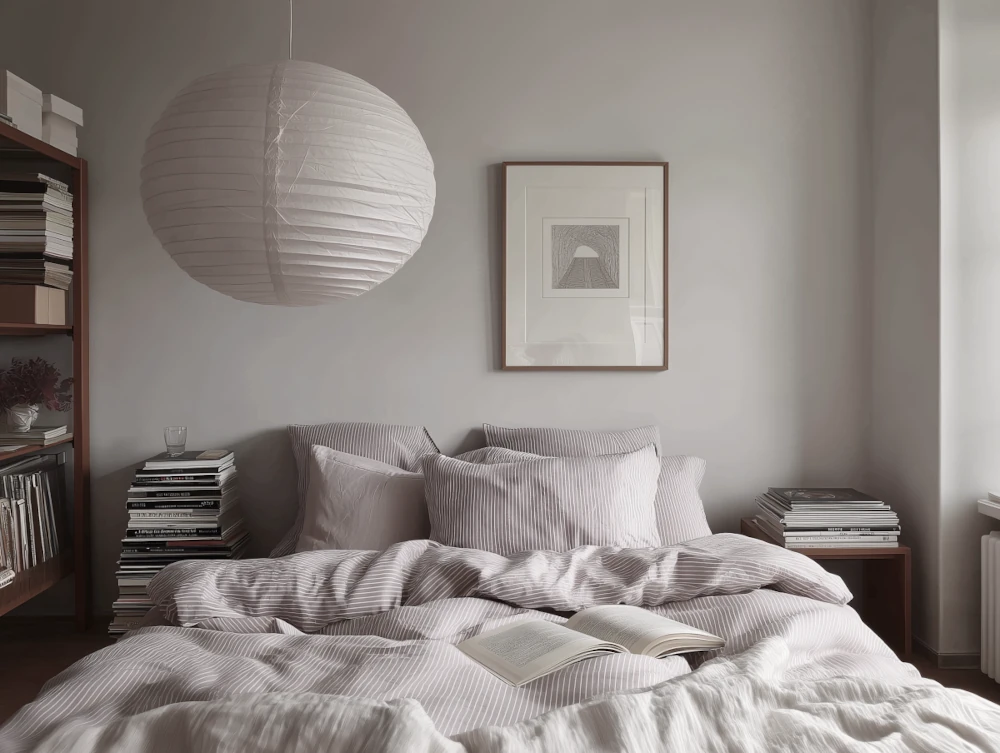
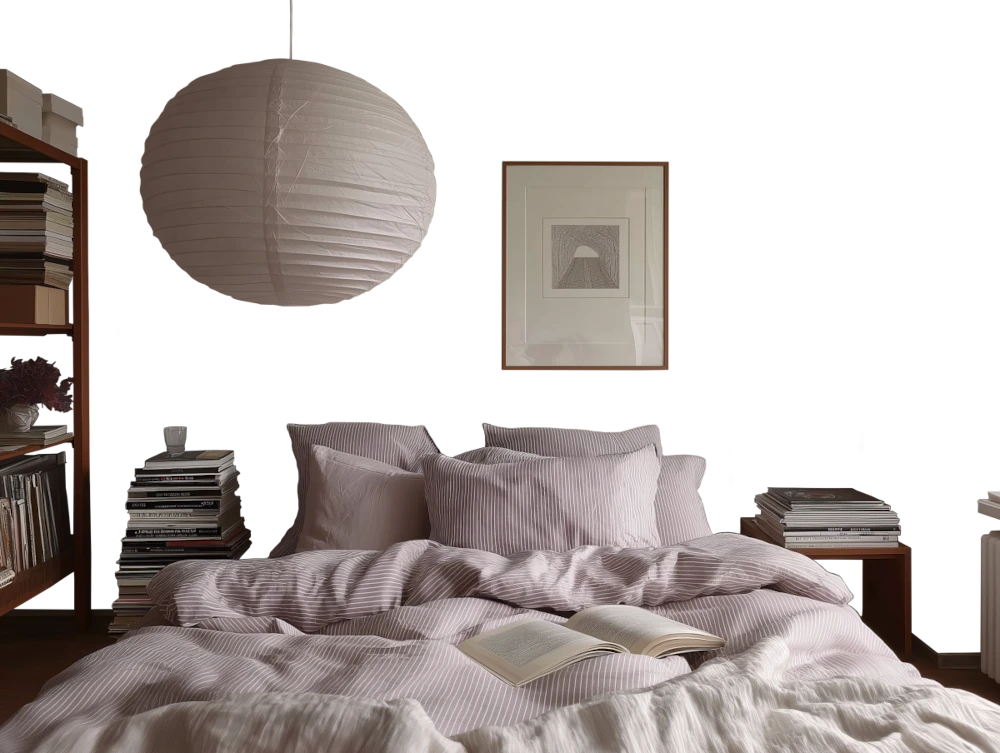
In addition, natural-light temperature depends on its direction:
| Direction of sunlight | Visible temp. | Hue | Duration |
|---|---|---|---|
| North | Cool | Bluish | All day |
| East | Warm | Yellow | Before noon |
| West | Warm | Orange-red | After noon |
| South | Warm | Orange-yellow | All day |
Artificial Lighting. When choosing bulbs, pay attention to their color temperature in Kelvins.
Use the slider to see how this Beige shade looks under different lighting:
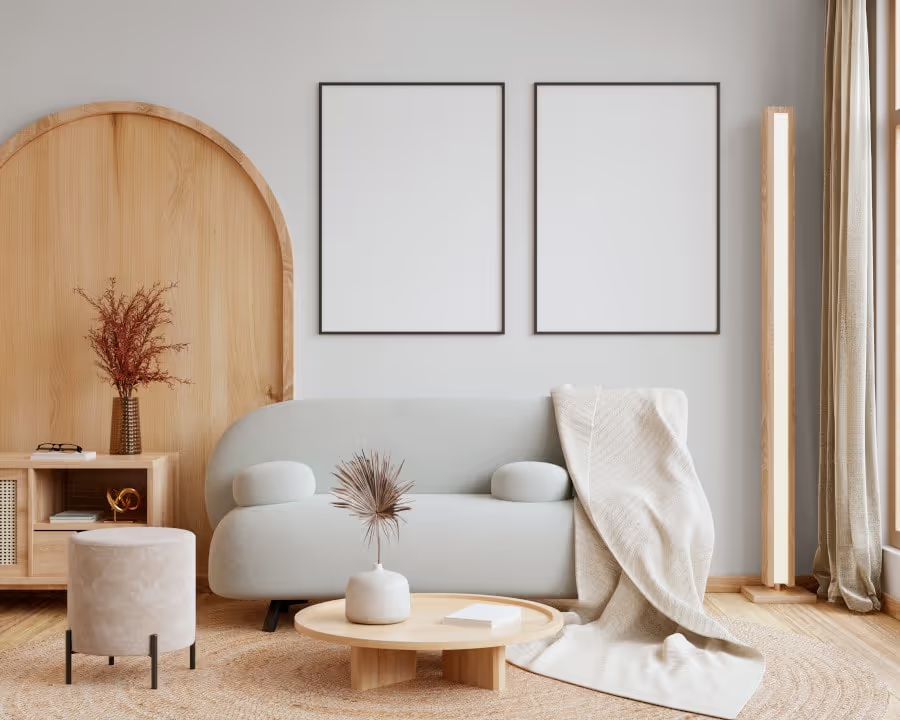
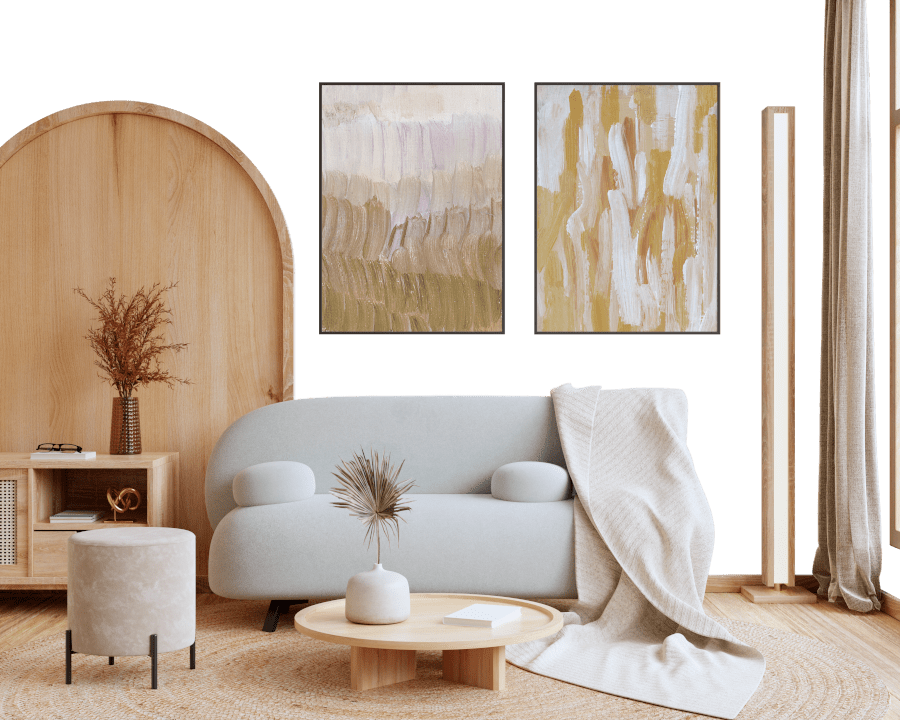
4000K
Coordinating colors.
Colors that go with Benjamin Moore Everlasting:
Monochromatic color scheme
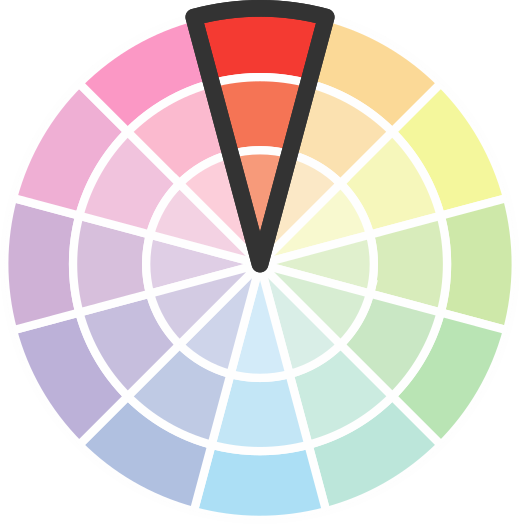
This scheme consists of various shades, tints, and tones of a single color. While it offers a perfect combination of hues, without accent décor it may become monotonous.
Lighter shades

Darker shades
Complementary color scheme
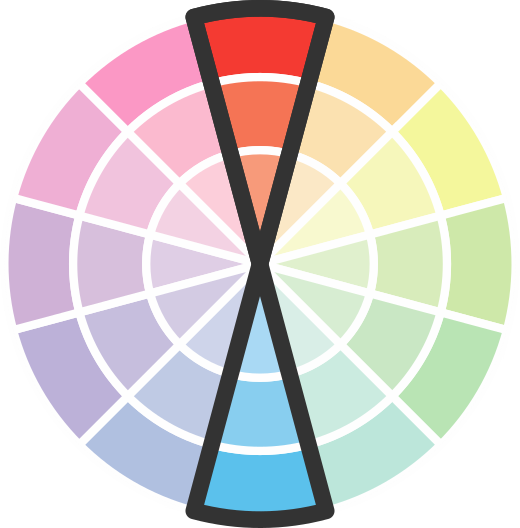
This color scheme is a combination of two shades that are opposite each other on the color wheel. The high contrast between these colors creates a vibrant and dynamic visual effect. For the color Everlasting with a orange hue, complementary colors are those with a blue hue close to 217, such as Benjamin Moore Normandy and Feather Gray.




LRV of Everlasting
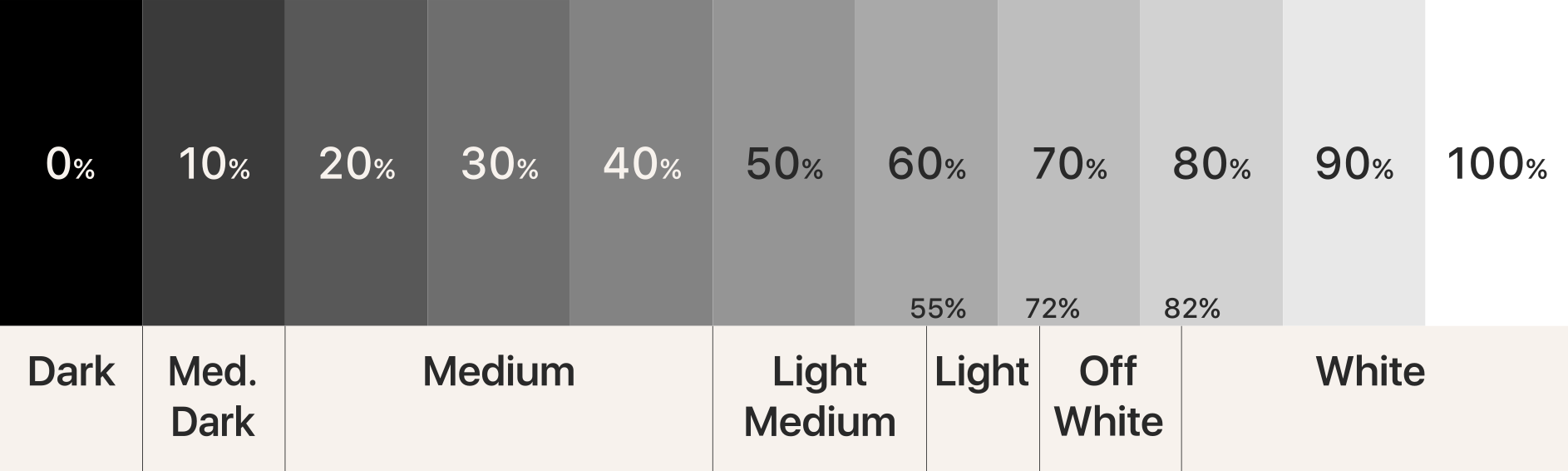
Everlasting has an LRV of 60.66% and refers to Light colors that reflect most of the incident light. Why LRV is important?
Light Reflectance Value measures the amount of visible and usable light that reflects from a painted surface.
Simply put, the higher the LRV of a paint color, the brighter the room you will get.
The scale goes from 0% (absolute black, absorbing all light) to 100% (pure white, reflecting all light).
Act like a pro: When choosing paint with an LRV of 60.66%, pay attention to your bulbs' brightness. Light brightness is measured in lumens. The lower the paint's LRV, the higher lumen level you need. Every square foot of room needs at least 40 lumens. That means for a 200 ft2 living room you'll need about 8000 lumens of light – e.g., eight 1000 lm bulbs.
Color codes
We have collected almost every possible color code you could ever need.
Not sure what the difference between HEX and RGB is? We break down color models in plain language. Understanding color models
| Format | Code |
|---|---|
| HEX | #DCCCB3 |
| RGB Decimal | 220, 204, 179 |
| RGB Percent | 86.27%, 80.00%, 70.20% |
| HSV | Hue: 37° Saturation: 18.64% Value: 86.27% |
| HSL | hsl(37, 37, 78) |
| CMYK | Cyan: 0.0 Magenta: 7.27 Yellow: 18.64 Key: 13.73 |
| YIQ | Y: 205.934 I: 17.568 Q: -4.395 |
| XYZ | X: 59.244 Y: 61.657 Z: 51.416 |
| CIE Lab | L:82.731 a:1.545 b:14.482 |
| CIE Luv | L:82.731 u:11.115 v:20.582 |
| Decimal | 14470323 |
| Hunter Lab | 78.522, -2.738, 16.143 |

Color equivalents
SW 6141
Softer Tan
Sherwin Williams

AF-90
Harmony
Benjamin Moore
1059
Moccasin
Benjamin Moore
1052
Sea Urchin
Benjamin Moore
SW 7575
Chopsticks
Sherwin Williams
CSP-275
Bare Essence
Benjamin Moore
SW 9507
Cream and Sugar
Sherwin Williams
SW 7537
Irish Cream
Sherwin Williams
SW 9508
Natural Wool
Sherwin Williams
SW 7569
Stucco
Sherwin Williams
N290-3
Comfy Beige
Behr
SW 9119
Dirty Martini
Sherwin Williams
SW 7529
Sand Beach
Sherwin Williams
YL-W11
Khaki Shade
Behr
HC-39
Putnam Ivory
Benjamin Moore
1074
Alpaca
Benjamin Moore
MQ2-27
Studio Clay
Behr
1095
Oakwood Manor
Benjamin Moore
HDC-AC-09
Concord Buff
Behr
MQ3-11
Dainty Lace
Behr