

Benjamin Moore Palest Pistachio 2122-60
Contentsshow +hide -
- Palest Pistachio for living room (1 photo)
- What are Benjamin Moore Palest Pistachio undertones?
- Is Palest Pistachio 2122-60 cool or warm?
- How light temperature affects on Palest Pistachio
- Monochromatic color scheme
- Complementary color scheme
- Color comparison and matching
- LRV of Palest Pistachio 2122-60
- Color codes
- Color equivalents
| Official page: | Palest Pistachio 2122-60 |
| Code: | 2122-60 |
| Name: | Palest Pistachio |
| Brand: | Benjamin Moore |
What color is Benjamin Moore Palest Pistachio?
Benjamin Moore Palest Pistachio 2122-60 is an exceptionally light gray-green with a soft, cool cast and very low saturation. Its pale value keeps walls looking airy, while the green undertone is subtle enough to read almost like a tinted off-white in bright daylight. In lower or cooler light, this color may appear more silvery and muted, giving it a quiet, mineral-like quality. Palest Pistachio suits bedrooms, bathrooms, and light-filled kitchens where a crisp white would feel too stark. Pair it with clean white trim, pale oak, brushed nickel, charcoal details, or deeper botanical greens for contrast.
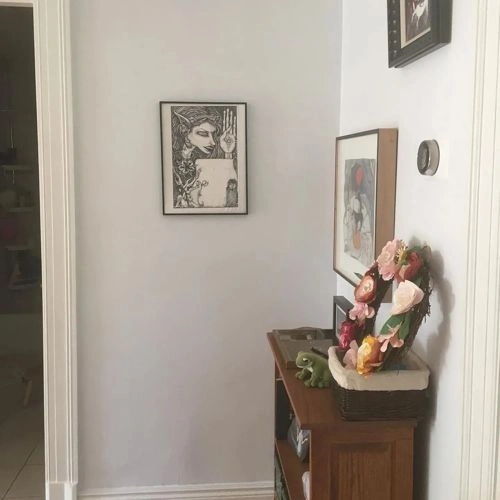
Palest Pistachio for living room
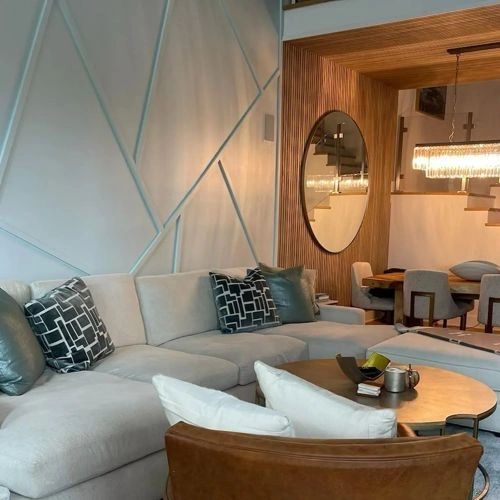
Check out this stunning light color used in real living rooms. Explore how this grey shade can create a unique space
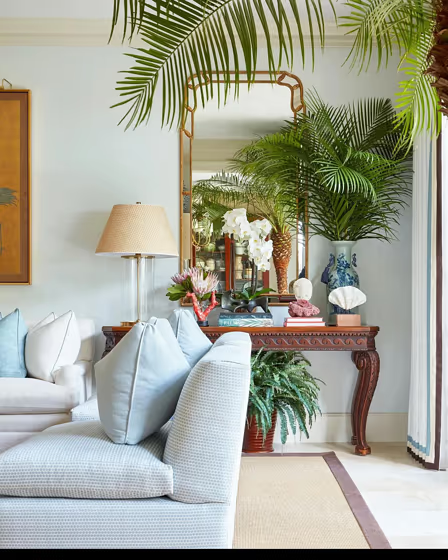
@danielledrollins
Try before you buy
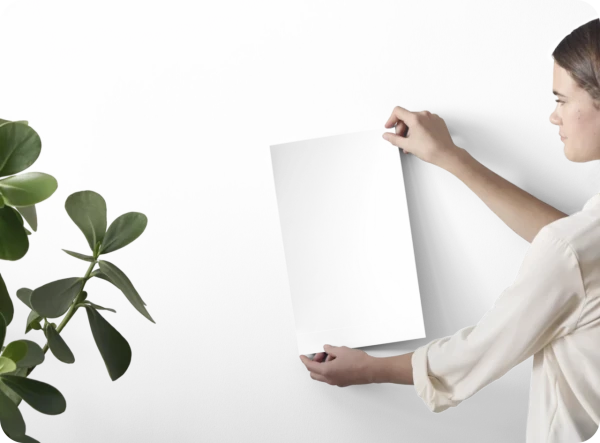

100% accurate
reusable paint samples

Peel, stick,
and repeat
Twice painted
with real paint

Next day
delivery
What are Benjamin Moore Palest Pistachio undertones?
Palest Pistachio reads as a very light, low-saturation off-white with an almost neutral overall character. In the supplied digital sample, any green lean is extremely slight, so it is better viewed as a faint cool cast than a clearly defined green undertone. Benjamin Moore describes it as “a barely-there hue with crisp notes of blue,” which fits its pale near-white appearance while pointing to a cooler blue influence rather than a strongly green look. Warm artificial light may soften its coolness and make it appear closer to a creamy neutral, while cool daylight can make its subtle cool tint easier to notice.
Manufacturer information used in this description: official color page.
HEX value:
RGB code:
233, 239, 237
Is Benjamin Moore Palest Pistachio cool or warm?
warm
cool
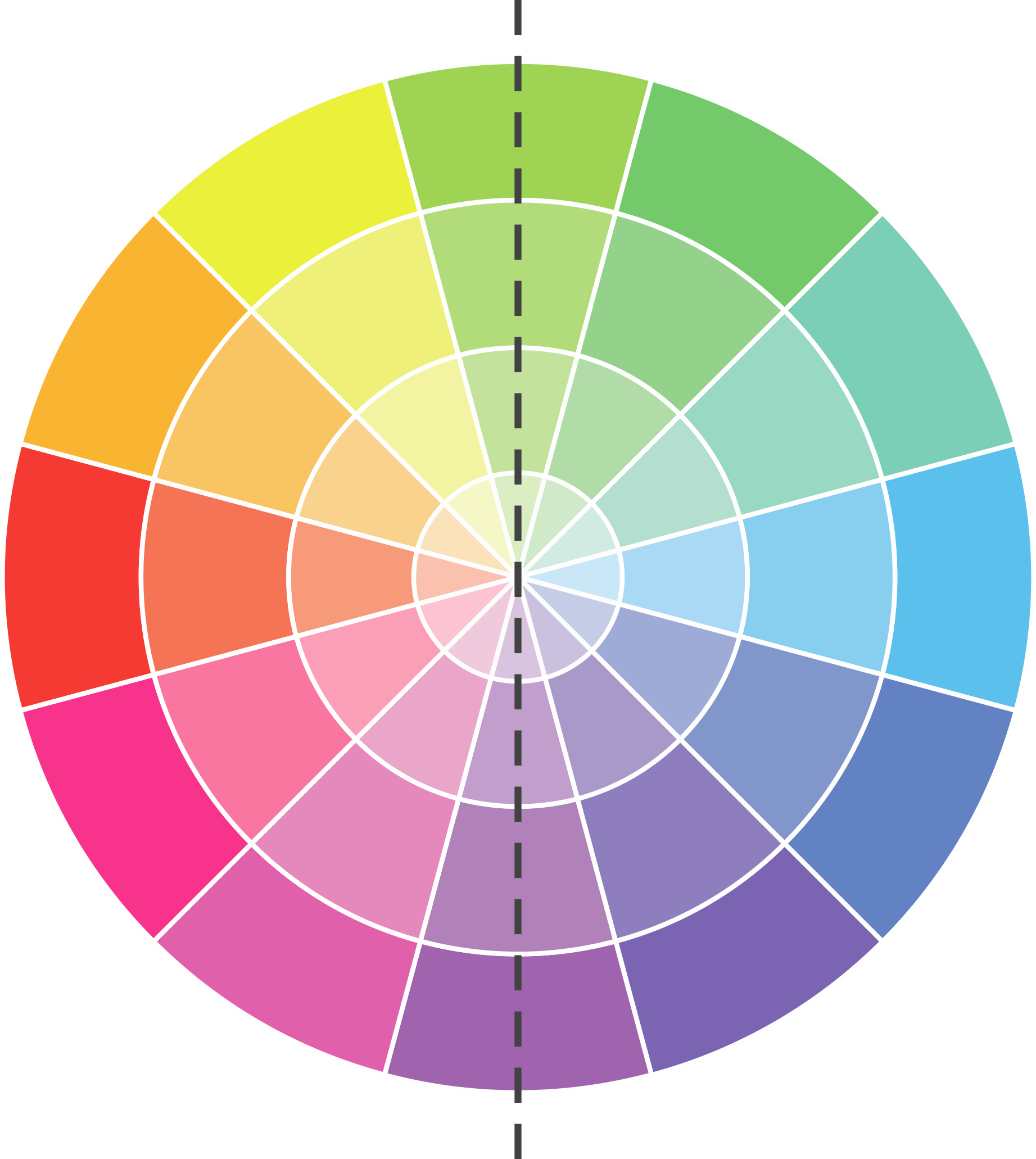
With a hue of 160°, this Grey reads cool based on its HSL hue position.
2122-60 Palest Pistachio HSL code: 160, 16%, 93%
Hue - degree on a color wheel from 0 to 360. 0 is red, 120 is green, and 240 is blue.
Saturation is expressed as a percentage. At 0%, it appears as a shade of grey, and at 100%, it is in full color.
Lightness is also a percentage value. 0% is black, and 100% is white.
How light temperature affects Palest Pistachio
Natural Lighting. During the day, natural light shifts from about 2000 K at sunrise/sunset to 5500–6500 K at noon.
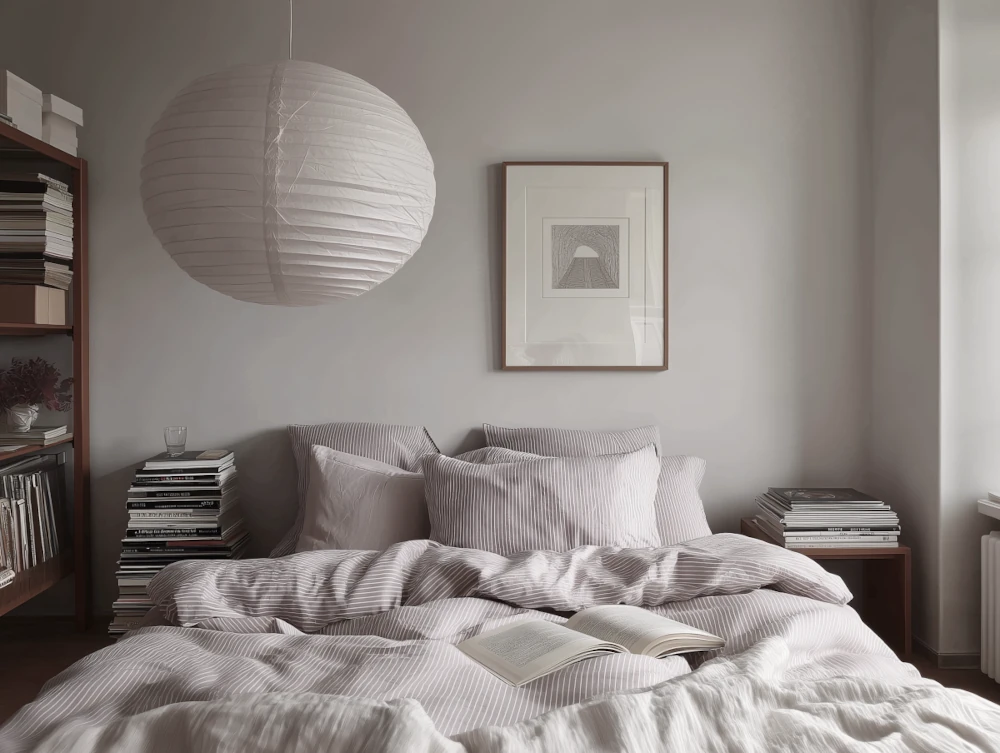
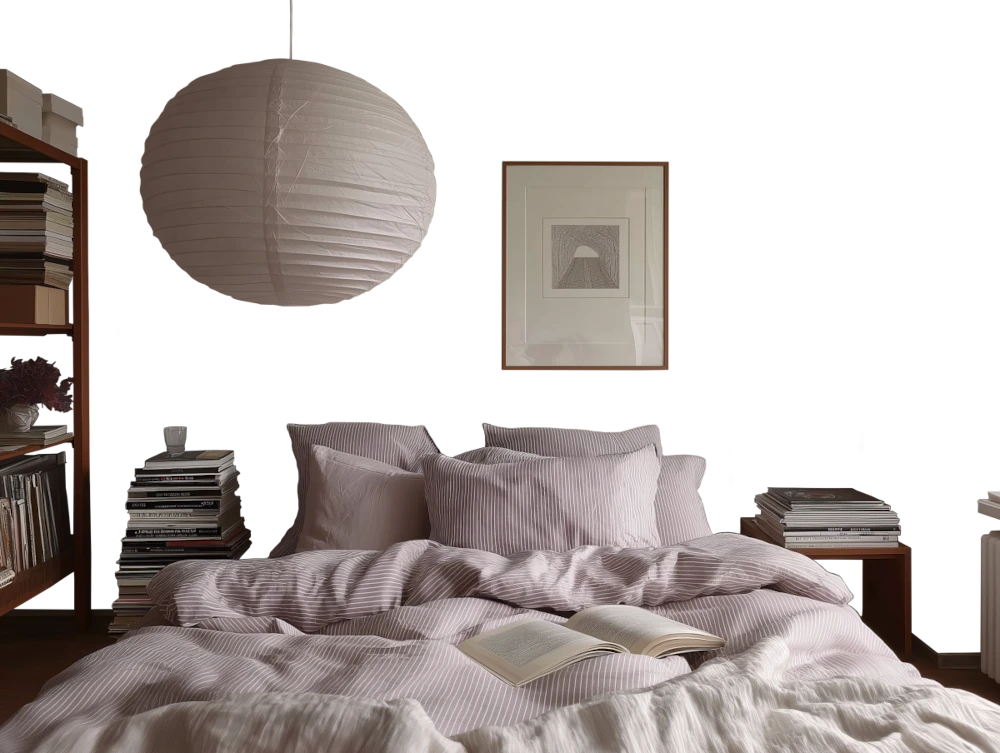
In addition, natural-light temperature depends on its direction:
| Direction of sunlight | Visible temp. | Hue | Duration |
|---|---|---|---|
| North | Cool | Bluish | All day |
| East | Warm | Yellow | Before noon |
| West | Warm | Orange-red | After noon |
| South | Warm | Orange-yellow | All day |
Artificial Lighting. When choosing bulbs, pay attention to their color temperature in Kelvins.
Use the slider to see how this Grey shade looks under different lighting:
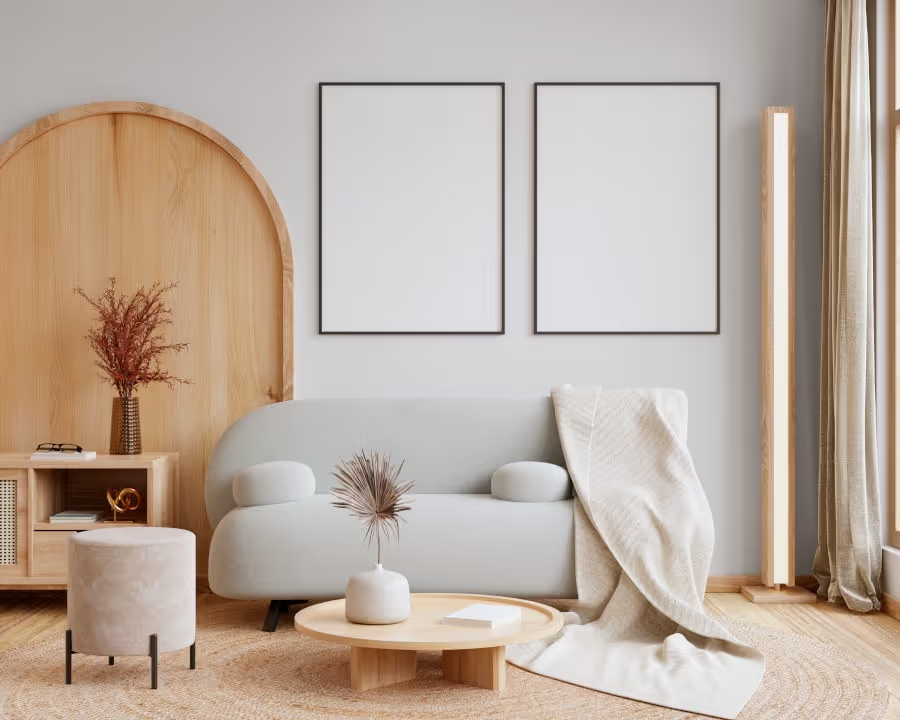
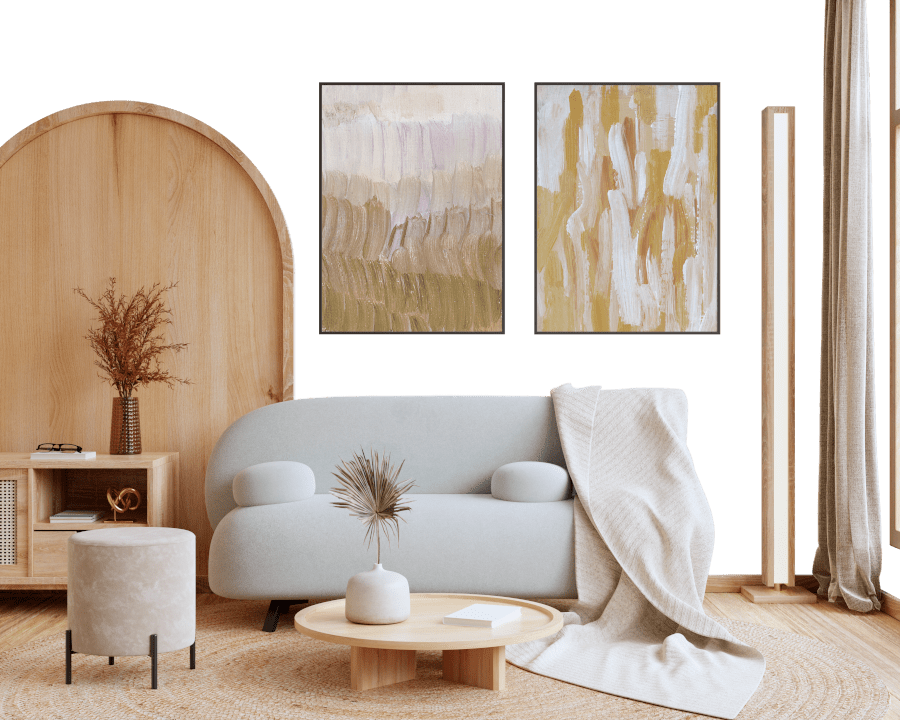
4000K
Coordinating colors.
Colors that go with Benjamin Moore Palest Pistachio:
Monochromatic color scheme
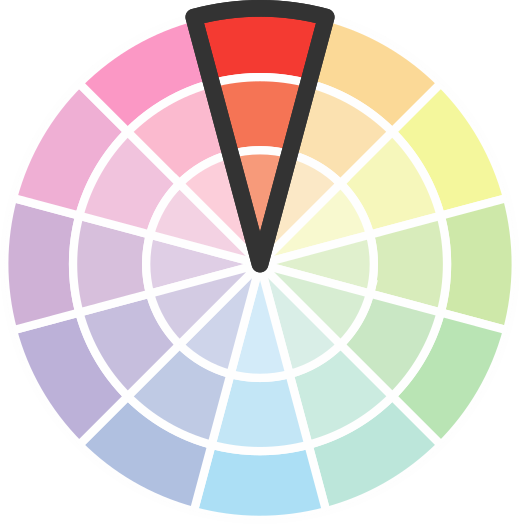
This scheme consists of various shades, tints, and tones of a single color. While it offers a perfect combination of hues, without accent décor it may become monotonous.
Darker shades
2122-60
Palest Pistachio

Complementary color scheme
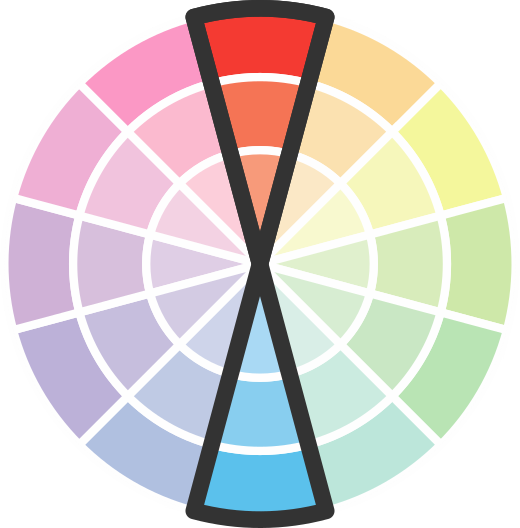
This color scheme is a combination of two shades that are opposite each other on the color wheel. The high contrast between these colors creates a vibrant and dynamic visual effect. For the color Palest Pistachio with a green hue, complementary colors are those with a red hue close to 340, such as Benjamin Moore Raindrops on Roses and Aplomb.




LRV of Palest Pistachio
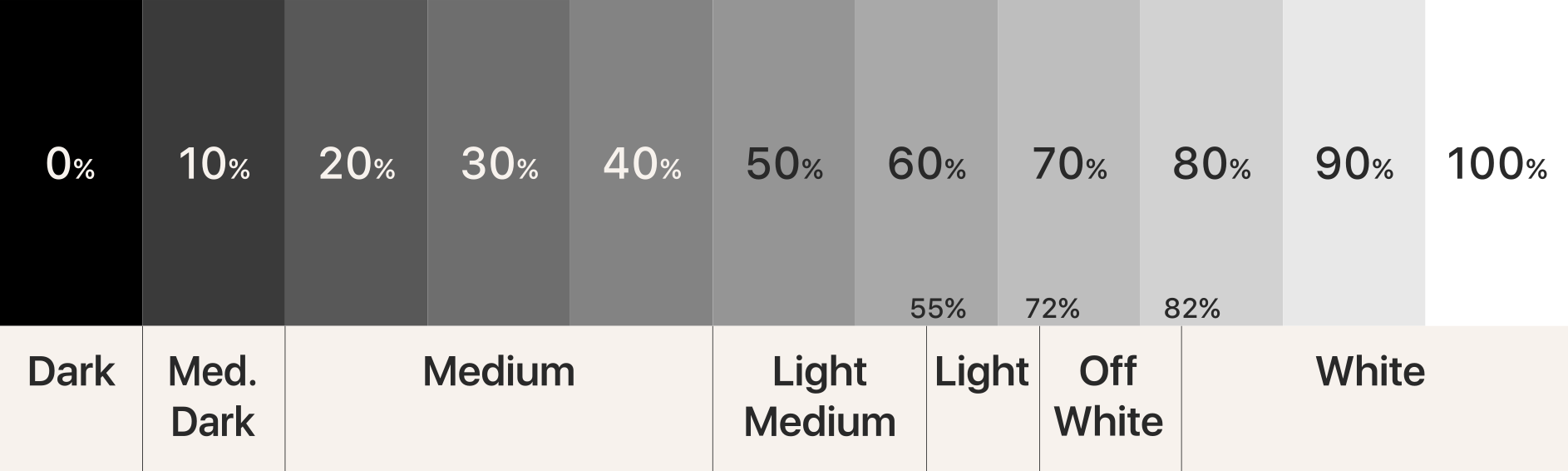
Palest Pistachio has an LRV of 83.84% and refers to White colors that reflect almost all light. Why LRV is important?
Light Reflectance Value measures the amount of visible and usable light that reflects from a painted surface.
Simply put, the higher the LRV of a paint color, the brighter the room you will get.
The scale goes from 0% (absolute black, absorbing all light) to 100% (pure white, reflecting all light).
Act like a pro: When choosing paint with an LRV of 83.84%, pay attention to your bulbs' brightness. Light brightness is measured in lumens. The lower the paint's LRV, the higher lumen level you need. Every square foot of room needs at least 40 lumens. That means for a 200 ft2 living room you'll need about 8000 lumens of light – e.g., eight 1000 lm bulbs.
Color codes
We have collected almost every possible color code you could ever need.
Not sure what the difference between HEX and RGB is? We break down color models in plain language. Understanding color models
| Format | Code |
|---|---|
| HEX | #E9EFED |
| RGB Decimal | 233, 239, 237 |
| RGB Percent | 91.37%, 93.73%, 92.94% |
| HSV | Hue: 160° Saturation: 2.51% Value: 93.73% |
| HSL | hsl(160, 16, 93) |
| CMYK | Cyan: 2.51 Magenta: 0.0 Yellow: 0.84 Key: 6.27 |
| YIQ | Y: 236.978 I: -2.933 Q: -1.892 |
| XYZ | X: 79.753 Y: 85.171 Z: 92.336 |
| CIE Lab | L:93.957 a:-2.352 b:0.273 |
| CIE Luv | L:93.957 u:-3.23 v:0.841 |
| Decimal | 15331309 |
| Hunter Lab | 92.288, -7.249, 5.281 |

Color equivalents
2123-60
Sea Foam
Benjamin Moore

BL-W05
Dusting Powder
Behr
OC-61
White Diamond
Benjamin Moore

2126-70
Chalk White
Benjamin Moore
2135-70
Patriotic White
Benjamin Moore

BL-W09
Bakery Box
Behr

SW 7131
Brooklet
Sherwin Williams
SW 7133
Faraway Blue
Sherwin Williams
OC-58
White Ice
Benjamin Moore
2124-60
Misty Gray
Benjamin Moore

BL-W08
Frothy Surf
Behr
OC-66
Snow White
Benjamin Moore
OC-67
Ice Mist
Benjamin Moore
OC-150
Brilliant White
Benjamin Moore
SW 6511
Snowdrop
Sherwin Williams
OC-149
Decorator's White
Benjamin Moore

CC-10
Ultra White
Benjamin Moore
SW 9623
Snowbelt
Sherwin Williams
2125-70
Wedding Veil
Benjamin Moore
OC-63
Winter Snow
Benjamin Moore