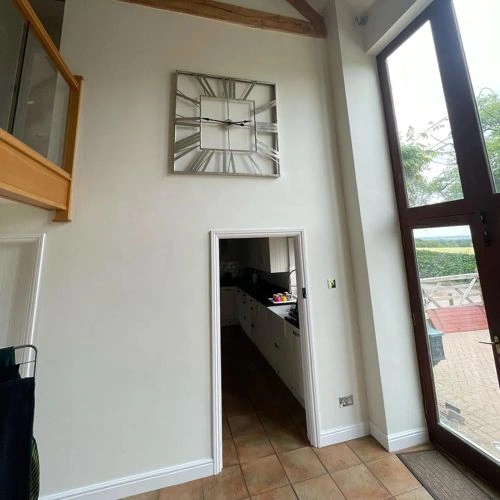
Dulux Cotton Thread 53YY 89/081
Contentsshow +hide -
| Code: | 53YY 89/081 |
| Name: | Cotton Thread |
| Brand: | Dulux |
What color is Dulux Cotton Thread?
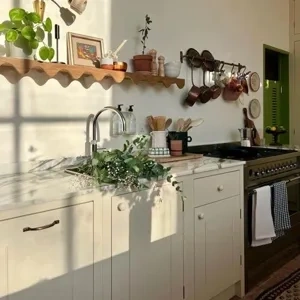
Dulux Cotton Thread 53YY 89/081 is a very light, warm off-white with a noticeable creamy yellow cast. Its high brightness keeps walls looking open and softly lit, while the gentle warmth prevents the color from reading stark or icy. In north-facing rooms, Cotton Thread may show more of its muted beige-yellow undertone; direct sun can make it appear cleaner and paler. It suits living rooms, bedrooms, and hallways where a softer alternative to pure white is wanted. Pair it with natural oak, linen, terracotta accents, or deeper olive and warm brown details for contrast.
Try before you buy

100% accurate
reusable paint samples

Peel, stick,
and repeat
Twice painted
with real paint

Next day
delivery
What are Dulux Cotton Thread undertones?
Cotton Thread is a near-white, very muted creamy off-white. The HEX sample has a subtle yellow-orange bias, but its low chroma turns that hue into a neutral-looking color rather than a clear yellow-orange. Warm bulbs can make it look creamier or more golden, while cool daylight may mute that warmth and pull it closer to beige or greige.
HEX value:
RGB code:
247, 240, 223
Is Dulux Cotton Thread cool or warm?
warm
cool
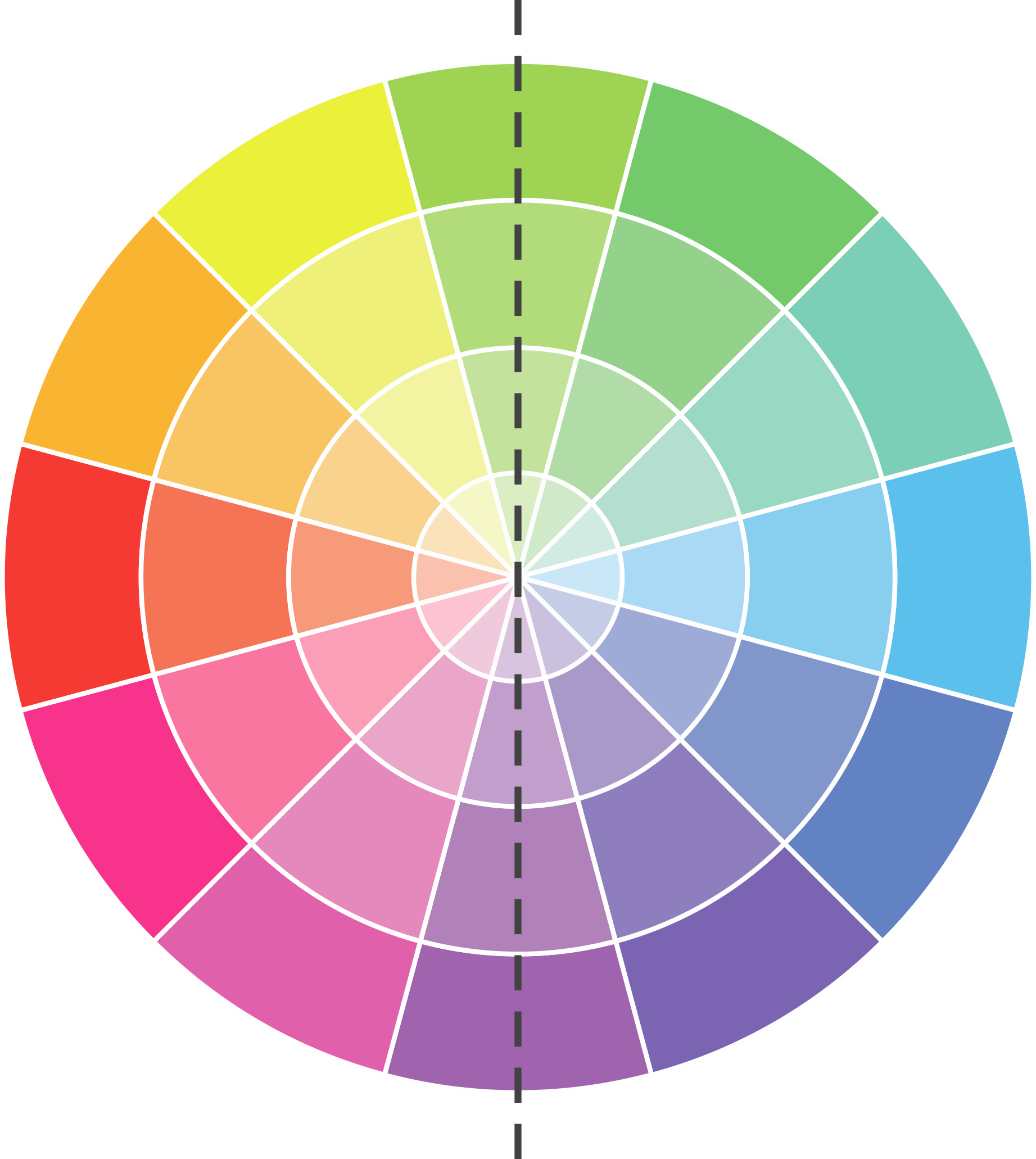
At 42° on the HSL hue wheel, this Yellow sits firmly on the warm side.
53YY 89/081 Cotton Thread HSL code: 42, 60%, 92%
Hue - degree on a color wheel from 0 to 360. 0 is red, 120 is green, and 240 is blue.
Saturation is expressed as a percentage. At 0%, it appears as a shade of grey, and at 100%, it is in full color.
Lightness is also a percentage value. 0% is black, and 100% is white.
How light temperature affects Cotton Thread
Natural Lighting. During the day, natural light shifts from about 2000 K at sunrise/sunset to 5500–6500 K at noon.
In addition, natural-light temperature depends on its direction:
| Direction of sunlight | Visible temp. | Hue | Duration |
|---|---|---|---|
| North | Cool | Bluish | All day |
| East | Warm | Yellow | Before noon |
| West | Warm | Orange-red | After noon |
| South | Warm | Orange-yellow | All day |
Artificial Lighting. When choosing bulbs, pay attention to their color temperature in Kelvins.
Use the slider to see how this Yellow shade looks under different lighting:
Coordinating colors.
Colors that go with Dulux Cotton Thread:
Monochromatic color scheme
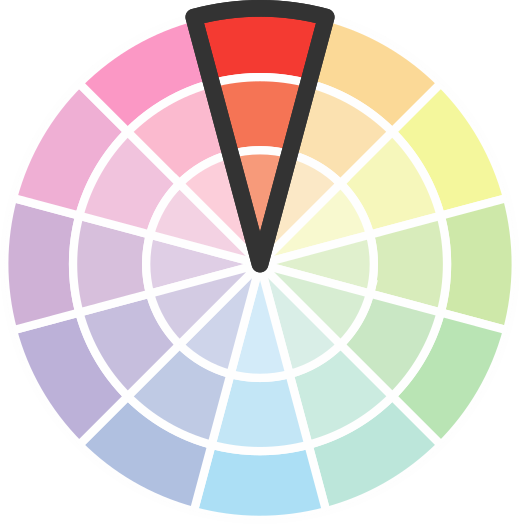
This scheme consists of various shades, tints, and tones of a single color. While it offers a perfect combination of hues, without accent décor it may become monotonous.
Lighter shades
53YY 89/081
Cotton Thread

Darker shades
Complementary color scheme
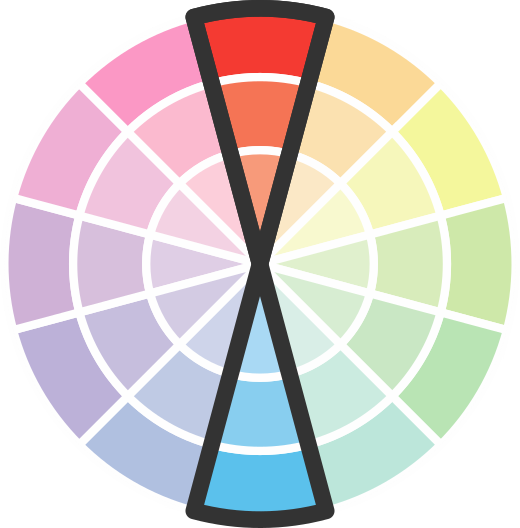
This color scheme is a combination of two shades that are opposite each other on the color wheel. The high contrast between these colors creates a vibrant and dynamic visual effect. For the color Cotton Thread with a orange hue, complementary colors are those with a blue hue close to 222, such as Dulux Breton Blue and Indigo Night.


Color codes
We have collected almost every possible color code you could ever need.
Not sure what the difference between HEX and RGB is? We break down color models in plain language. Understanding color models
| Format | Code |
|---|---|
| HEX | #F7F0DF |
| RGB Decimal | 247, 240, 223 |
| RGB Percent | 96.86%, 94.12%, 87.45% |
| HSV | Hue: 42° Saturation: 9.72% Value: 96.86% |
| HSL | hsl(42, 60, 92) |
| CMYK | Cyan: 0.0 Magenta: 2.83 Yellow: 9.72 Key: 3.14 |
| YIQ | Y: 240.155 I: 9.634 Q: -3.81 |
| XYZ | X: 82.835 Y: 87.423 Z: 82.303 |
| CIE Lab | L:94.917 a:-0.496 b:9.051 |
| CIE Luv | L:94.917 u:5.013 v:13.704 |
| Decimal | 16249055 |
| Hunter Lab | 93.5, -5.487, 13.261 |

Color equivalents
RAL 9012
Cleanroom white
RAL Classic


2003
Pointing
Farrow and Ball

Morning Light
Dulux
71YY 87/078
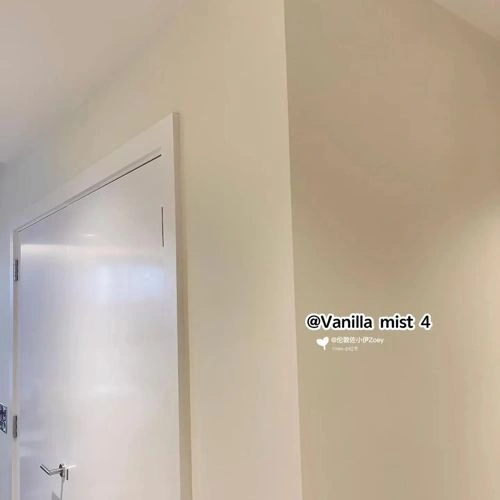
Vanilla Mist 4
Dulux
2002
White Tie
Farrow and Ball

33
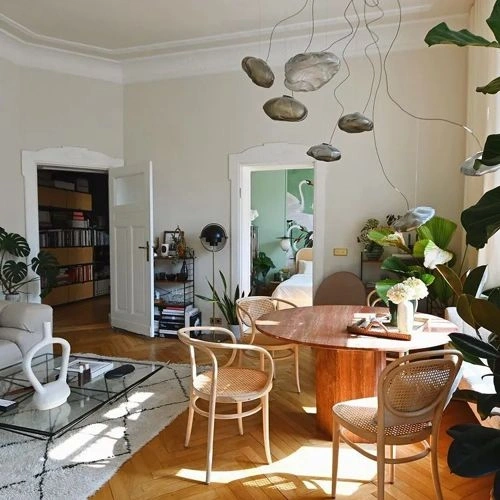
Linen Wash
Little Greene
40YY 87/094
Ivory Lace
Dulux

Spring Petal
Dulux
37
Stock
Little Greene

25YY 83/103
Tuscan Treasure 6
Dulux
152
Clay Pale
Little Greene
70YY 83/075
Gooseberry Fool 6
Dulux
65YY 90/062
Fine Cream
Dulux

268
Green Stone - Pale
Little Greene
Desert Wind
Dulux
Desert Vista
Dulux
330
Silent White - Mid
Little Greene
68YY 86/042
New Meringue
Dulux