

Jotun Green Turtle 7666
Contentsshow +hide -
| Code: | 7666 |
| Name: | Green Turtle |
| Brand: | Jotun |
What color is Jotun Green Turtle?
NCS Code: None
Try before you buy

100% accurate
reusable paint samples

Peel, stick,
and repeat

Twice painted
with real paint

Next day
delivery
What are Jotun Green Turtle undertones?
Green Turtle is a midtone, very muted mossy gray-green. The HEX sample has a subtle green bias, but its low chroma turns that hue into a neutral-looking color rather than a clear green. Warm light can make it look more olive and earthy, while cool daylight usually makes the green direction easier to notice.
HEX value:
RGB code:
119, 129, 117
Is Jotun Green Turtle cool or warm?
warm
cool
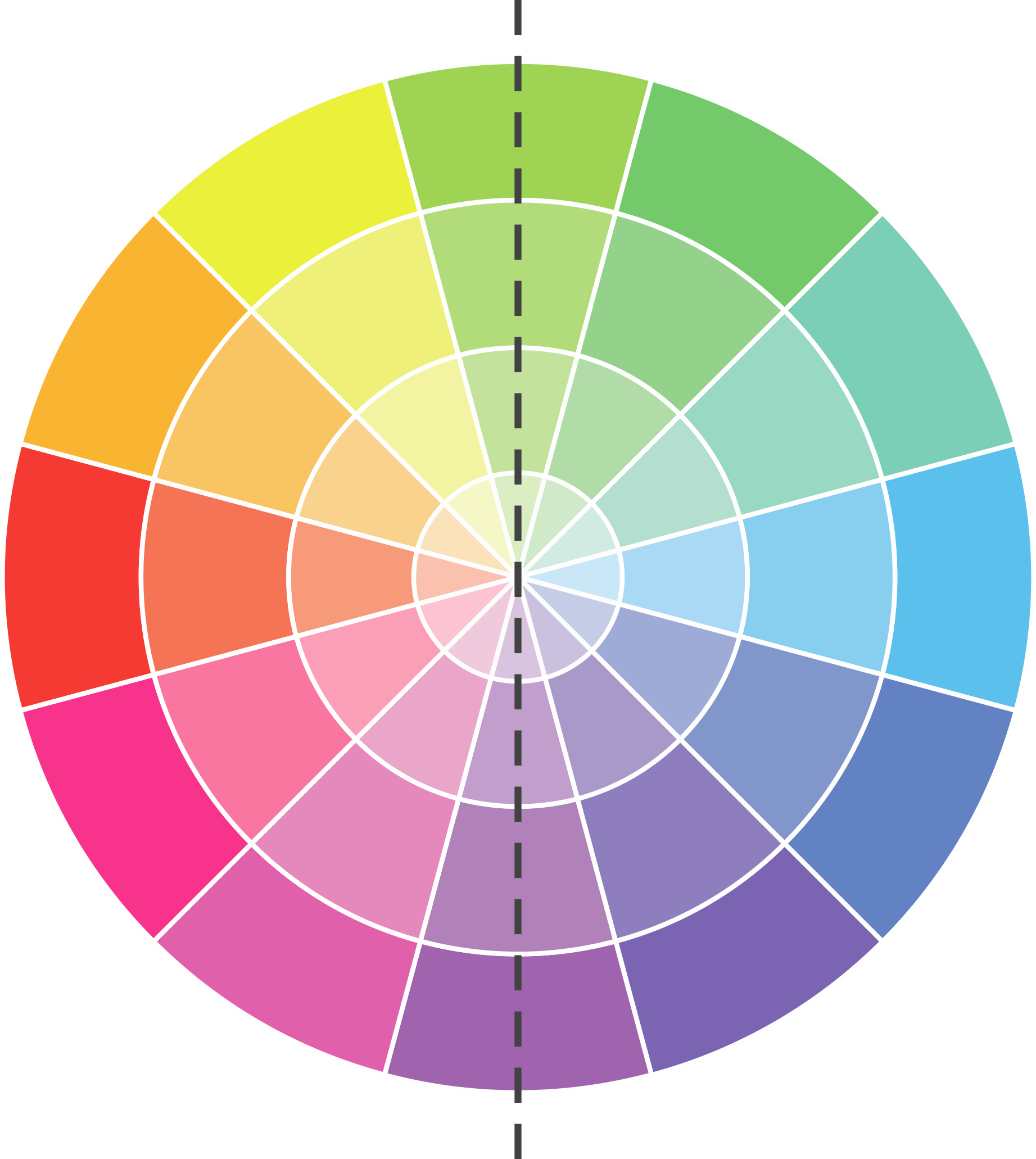
With a hue of 110°, this dark green leans cool, but it is near the neutral line and may feel warmer in certain lighting.
7666 Green Turtle HSL code: 110, 5%, 48%
Hue - degree on a color wheel from 0 to 360. 0 is red, 120 is green, and 240 is blue.
Saturation is expressed as a percentage. At 0%, it appears as a shade of grey, and at 100%, it is in full color.
Lightness is also a percentage value. 0% is black, and 100% is white.
How light temperature affects Green Turtle
Natural Lighting. During the day, natural light shifts from about 2000 K at sunrise/sunset to 5500–6500 K at noon.
In addition, natural-light temperature depends on its direction:
| Direction of sunlight | Visible temp. | Hue | Duration |
|---|---|---|---|
| North | Cool | Bluish | All day |
| East | Warm | Yellow | Before noon |
| West | Warm | Orange-red | After noon |
| South | Warm | Orange-yellow | All day |
Artificial Lighting. When choosing bulbs, pay attention to their color temperature in Kelvins.
Use the slider to see how this dark green shade looks under different lighting:

LRV of Green Turtle
Green Turtle has an LRV of 20.55% and refers to Medium colors that reflect a lot of light. Why LRV is important?
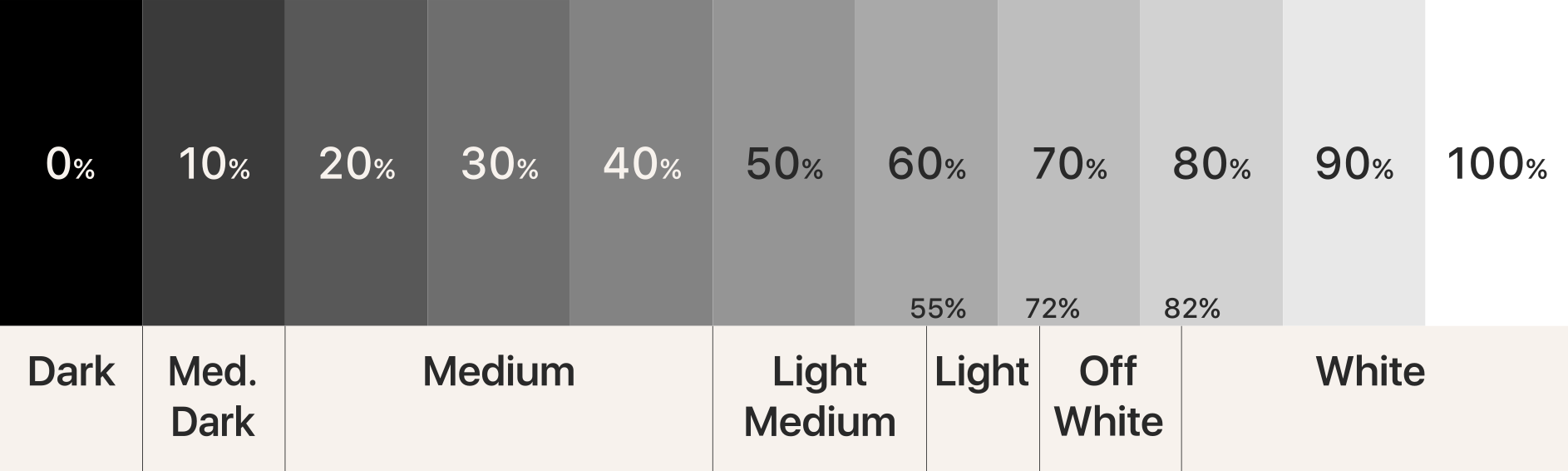
Light Reflectance Value measures the amount of visible and usable light that reflects from a painted surface.
Simply put, the higher the LRV of a paint color, the brighter the room you will get.
The scale goes from 0% (absolute black, absorbing all light) to 100% (pure white, reflecting all light).
Act like a pro: When choosing paint with an LRV of 20.55%, pay attention to your bulbs' brightness. Light brightness is measured in lumens. The lower the paint's LRV, the higher lumen level you need. Every square foot of room needs at least 40 lumens. That means for a 200 ft2 living room you'll need about 8000 lumens of light – e.g., eight 1000 lm bulbs.
Color codes
We have collected almost every possible color code you could ever need.
Not sure what the difference between HEX and RGB is? We break down color models in plain language. Understanding color models
| Format | Code |
|---|---|
| HEX | #778175 |
| RGB Decimal | 119, 129, 117 |
| RGB Percent | 46.67%, 50.59%, 45.88% |
| HSV | Hue: 110° Saturation: 9.3% Value: 50.59% |
| HSL | hsl(110, 5, 48) |
| CMYK | Cyan: 7.75 Magenta: 0.0 Yellow: 9.3 Key: 49.41 |
| YIQ | Y: 124.642 I: -2.103 Q: -5.85 |
| XYZ | X: 18.668 Y: 20.907 Z: 19.877 |
| CIE Lab | L:52.847 a:-6.114 b:5.247 |
| CIE Luv | L:52.847 u:-5.015 v:8.099 |
| Decimal | 7831925 |
| Hunter Lab | 45.724, -7.139, 6.233 |
Color equivalents
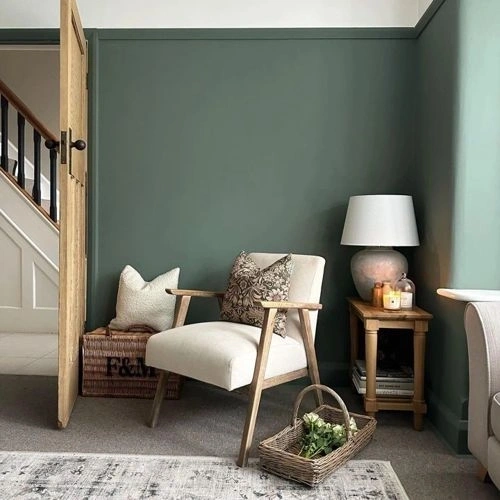
7666
Green Turtle
Jotun

47
Green Smoke
Farrow and Ball
7686
Mindful Green
Jotun

52GY 24/050
Waxed Khaki
Dulux

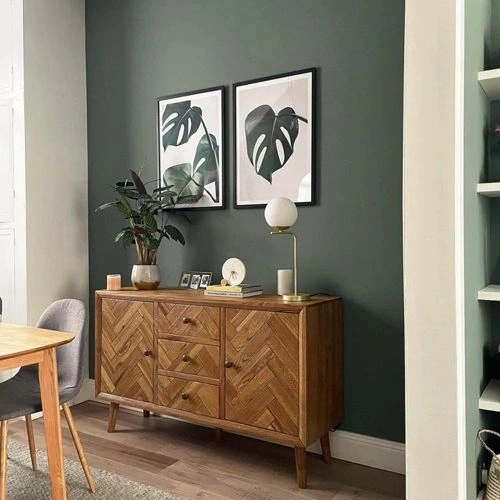
304
Ambleside
Little Greene
K444
Tikkurila

N494
Nephrite
Tikkurila

S448
Tikkurila
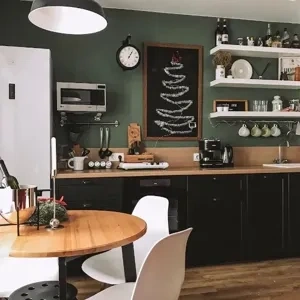
6325
Balance
Jotun

S447
Tikkurila

263
Livid
Little Greene
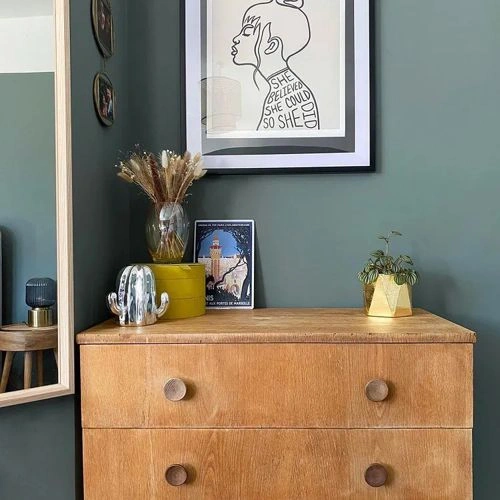
97YY 24/045
Weathered Penny
Dulux
50GG 23/085
Midnight Garden
Dulux
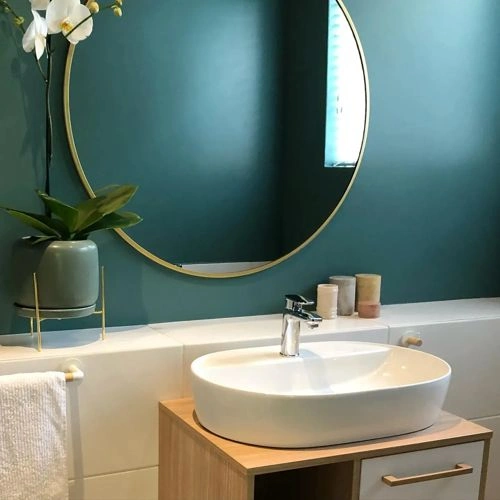
6352
Evening Green
Jotun

0125
Palm Leaf
Jotun
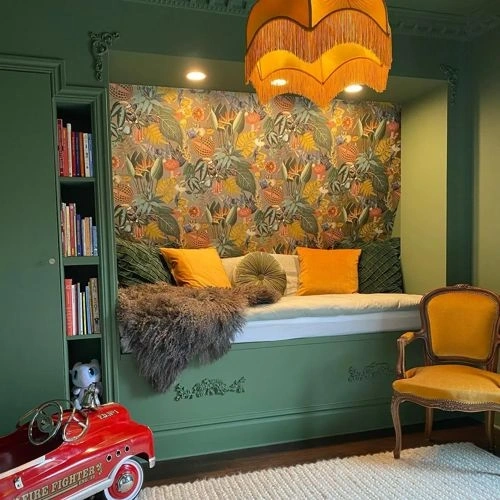
10GG 26/046
Storm Day
Dulux
79
Card Room Green
Farrow and Ball

Undiscovered Forest
Dulux
7629
Antique Green
Jotun

L447
Sepal
Tikkurila
