

Little Greene Aquamarine 138
Contentsshow +hide -
| Official page: | Aquamarine 138 |
| Code: | 138 |
| Name: | Aquamarine |
| Brand: | Little Greene |
| Collections: | Colours of England, Colour Scales, Green |
What color is Little Greene Aquamarine?
Little Greene Aquamarine 138 is a muted, pale green with a soft grey cast that keeps it understated rather than bright. Its low-saturation appearance gives walls a gently weathered, chalky look, while the green remains clear enough to bring natural color into a room. In daylight, it can read as a light leafy sage; under warmer artificial light, its greyed quality may become more noticeable. Aquamarine suits kitchens, bedrooms, and quiet living spaces, particularly on broad wall areas or painted cabinetry. Pair it with off-white trim, warm oak, woven linen, aged brass, or deeper olive accents for a grounded scheme.
Aquamarine for bedroom (2 photos)
We’ve hand-picked a beautiful collection of photos of this amazing green shade used in real bedrooms. Take a look and imagine how this wonderful cool mid-tone paint color could transform your own bedroom space.
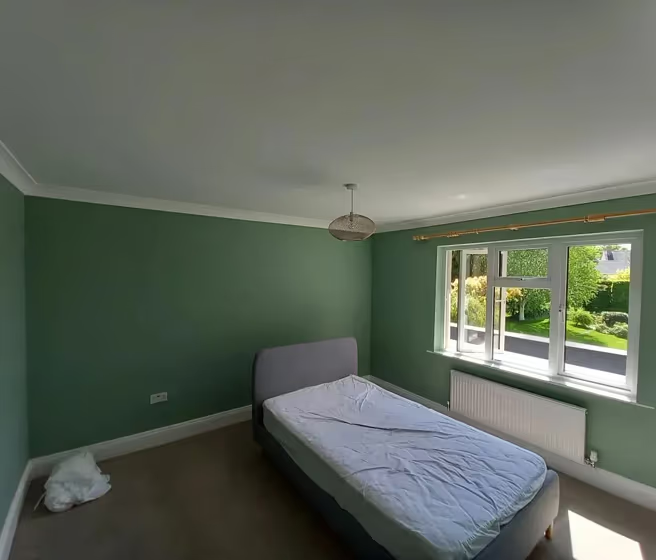
@jordansaundersdecorating
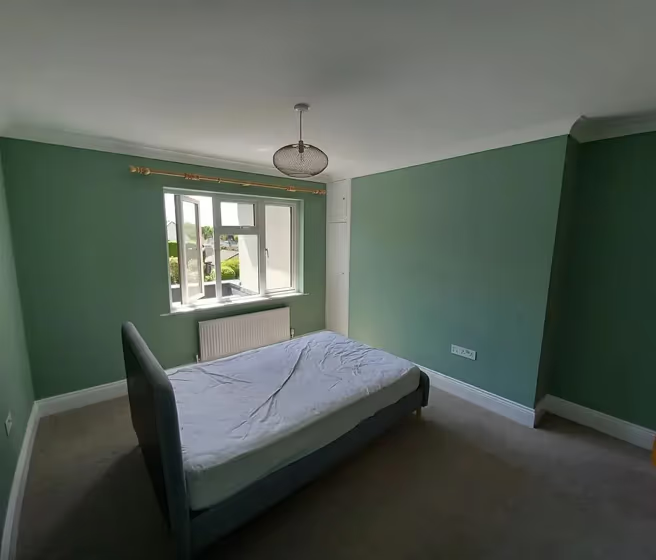
@jordansaundersdecorating
Little Greene Aquamarine reviews (4 photos)
View the photos of real spaces painted with this green that were not included in specific categories. Close-ups, painted furniture, storages and dressers, hallways, stairs and ceilings.
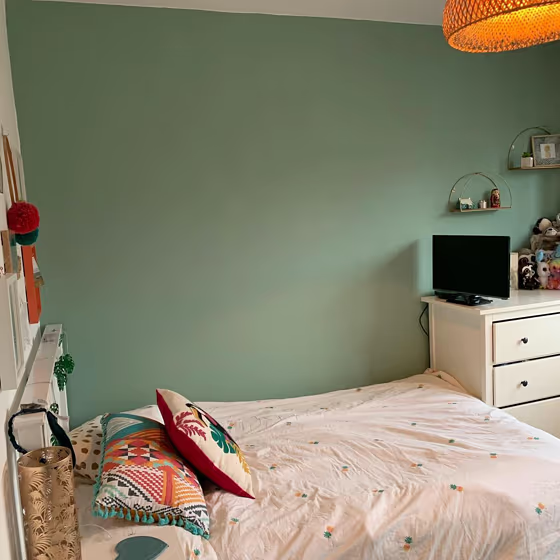
@groveparkrenovation
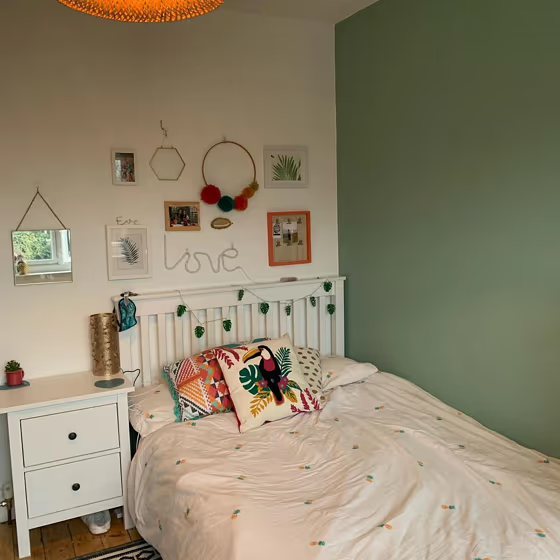
@groveparkrenovation
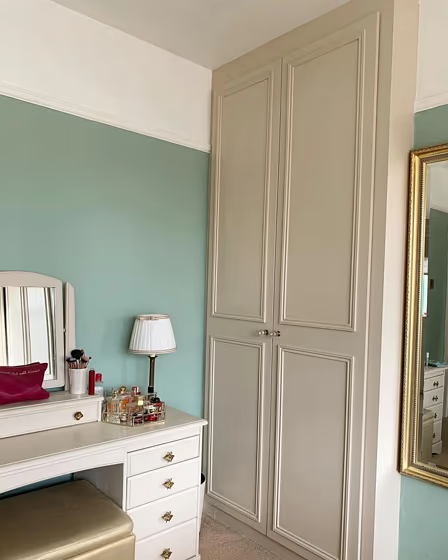
@just_a_normal_coffee_please_
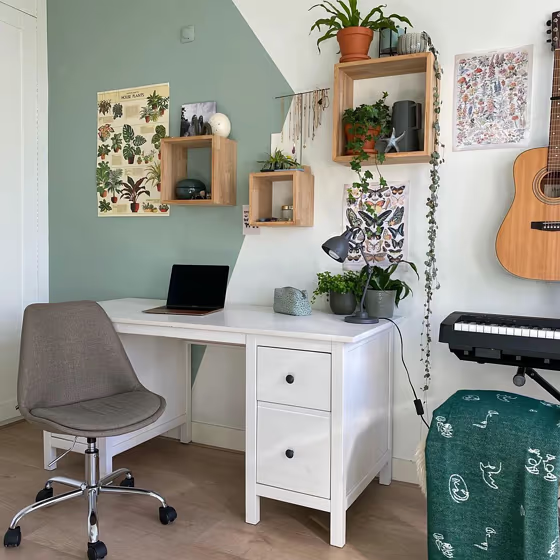
@opnummer50
Try before you buy

100% accurate
reusable paint samples
Peel, stick,
and repeat
Twice painted
with real paint

Next day
delivery
What are Little Greene Aquamarine undertones?
Aquamarine 138 reads as a mid-light, muted green with a soft yellow-green cast rather than a blue-led aqua. Its low saturation keeps the color gentle and slightly greyed, so it feels restrained rather than bright or vivid. In relative terms, the visible undertone leans yellow, which warms the green without making it strongly olive. Warm artificial light may bring out more of that yellow-green warmth, while cool daylight can make it appear a little cleaner and less warm.
Manufacturer information used in this description: official color page.
HEX value:
RGB code:
168, 187, 160
Is Little Greene Aquamarine cool or warm?
warm
cool
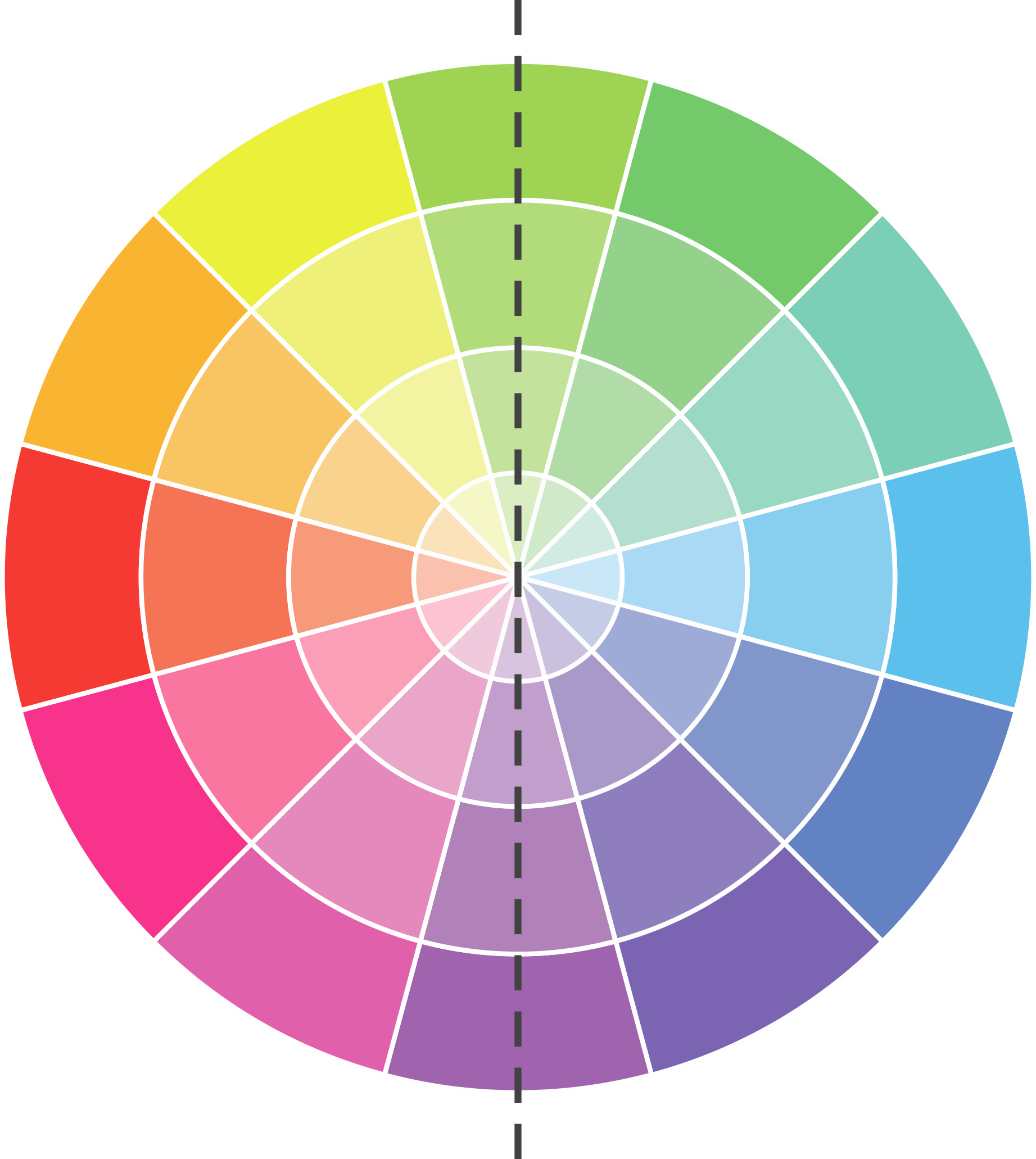
With a hue of 102°, this Green leans cool, but it is near the neutral line and may feel warmer in certain lighting.
138 Aquamarine HSL code: 102, 17%, 68%
Hue - degree on a color wheel from 0 to 360. 0 is red, 120 is green, and 240 is blue.
Saturation is expressed as a percentage. At 0%, it appears as a shade of grey, and at 100%, it is in full color.
Lightness is also a percentage value. 0% is black, and 100% is white.
How light temperature affects Aquamarine
Natural Lighting. During the day, natural light shifts from about 2000 K at sunrise/sunset to 5500–6500 K at noon.
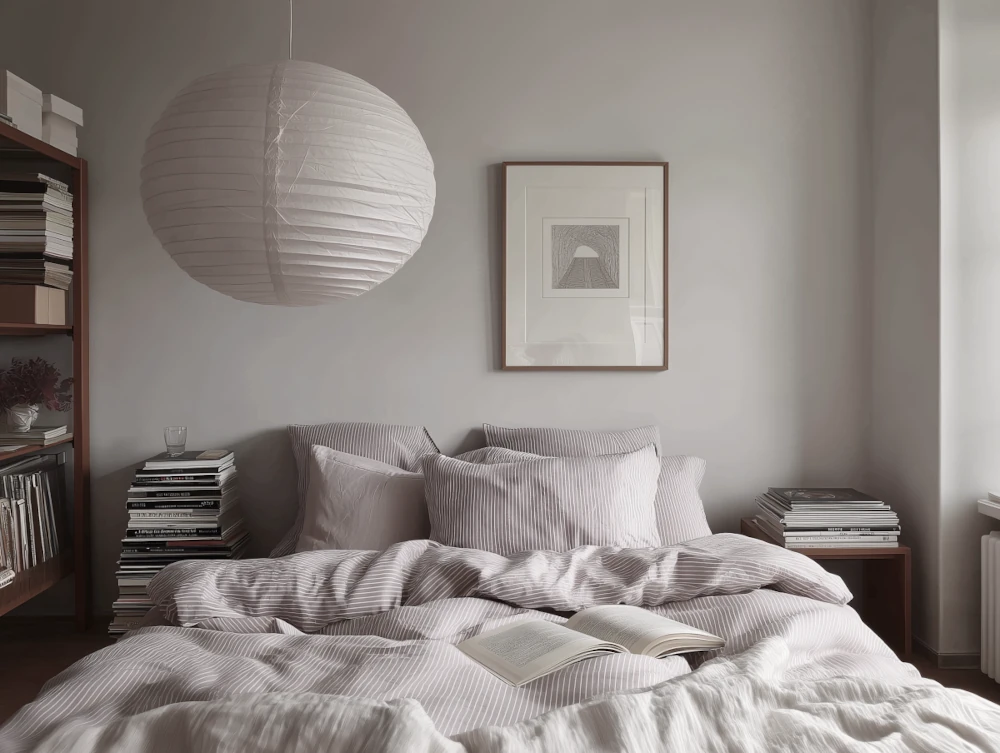
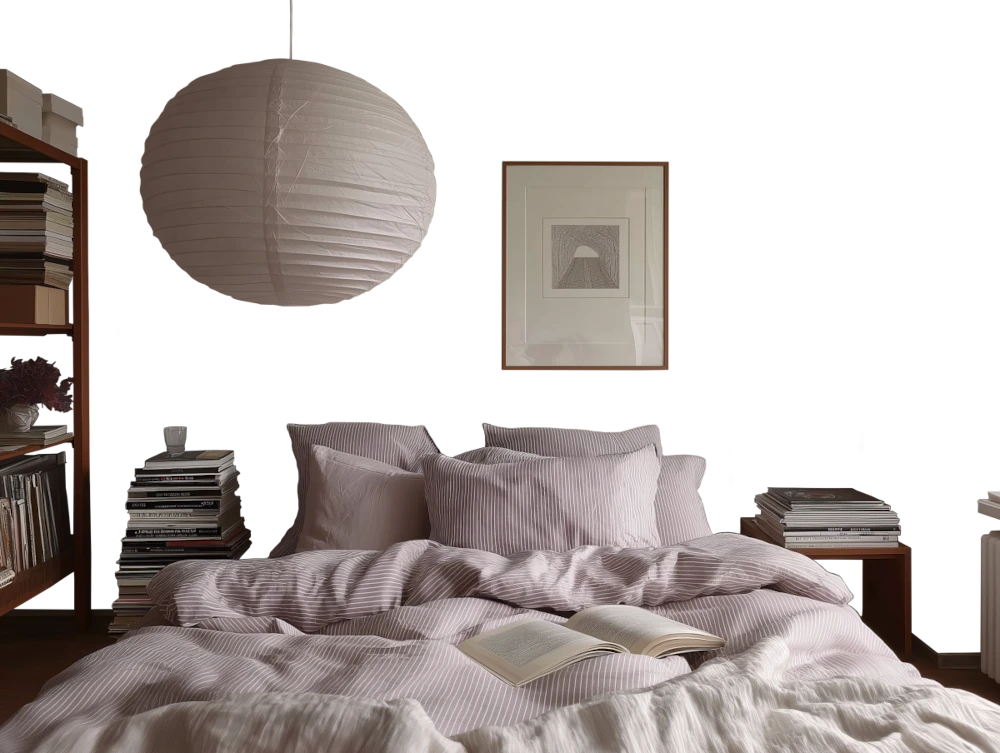
In addition, natural-light temperature depends on its direction:
| Direction of sunlight | Visible temp. | Hue | Duration |
|---|---|---|---|
| North | Cool | Bluish | All day |
| East | Warm | Yellow | Before noon |
| West | Warm | Orange-red | After noon |
| South | Warm | Orange-yellow | All day |
Artificial Lighting. When choosing bulbs, pay attention to their color temperature in Kelvins.
Use the slider to see how this Green shade looks under different lighting:
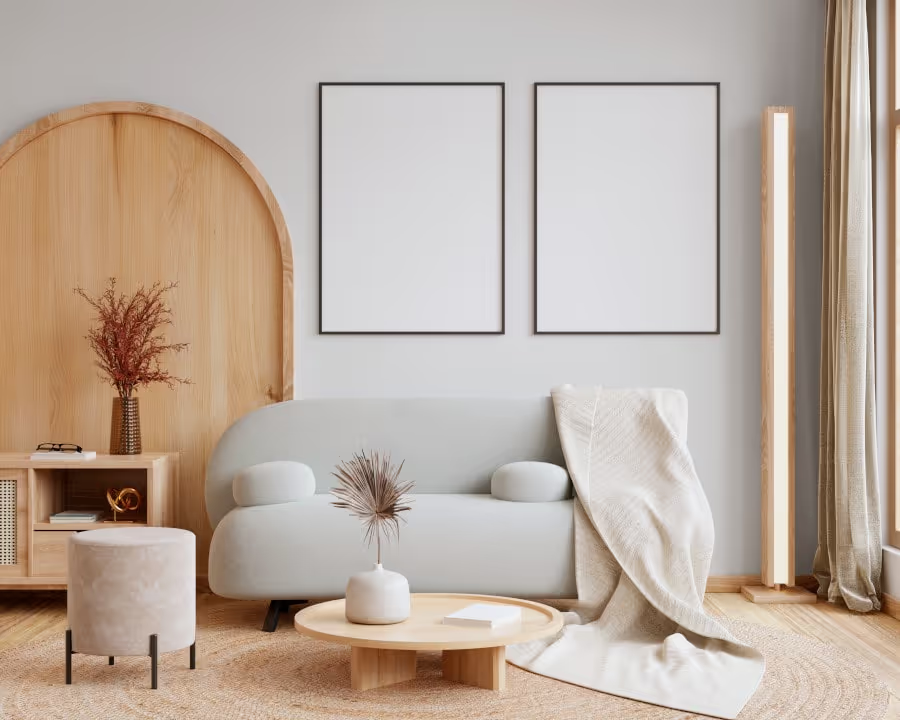
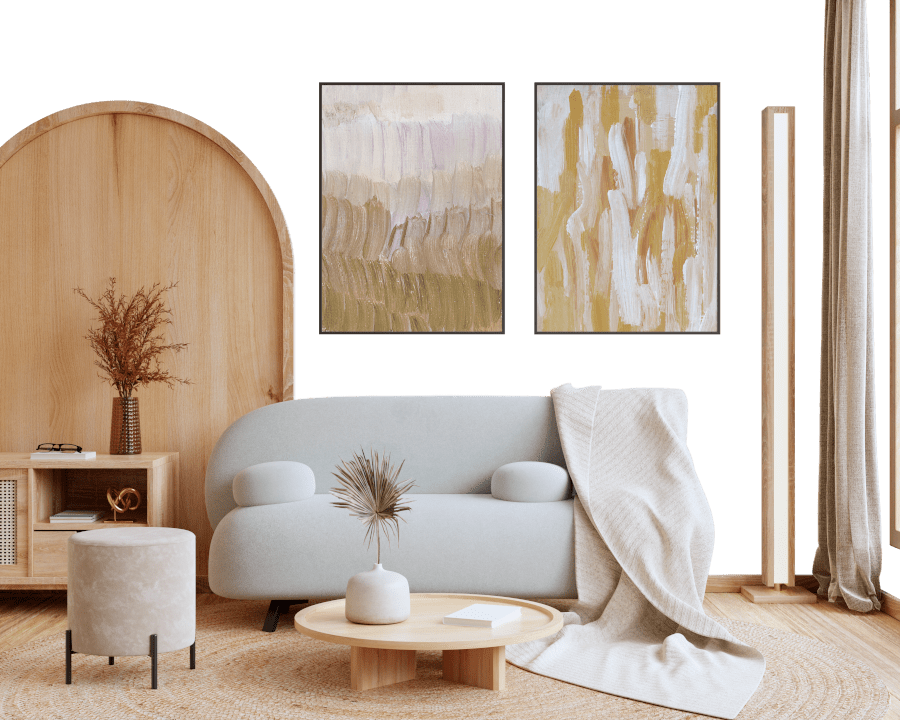
4000K




LRV of Aquamarine
Aquamarine has an LRV of 43% and refers to Light Medium colors that reflect half of the incident light. Why LRV is important?
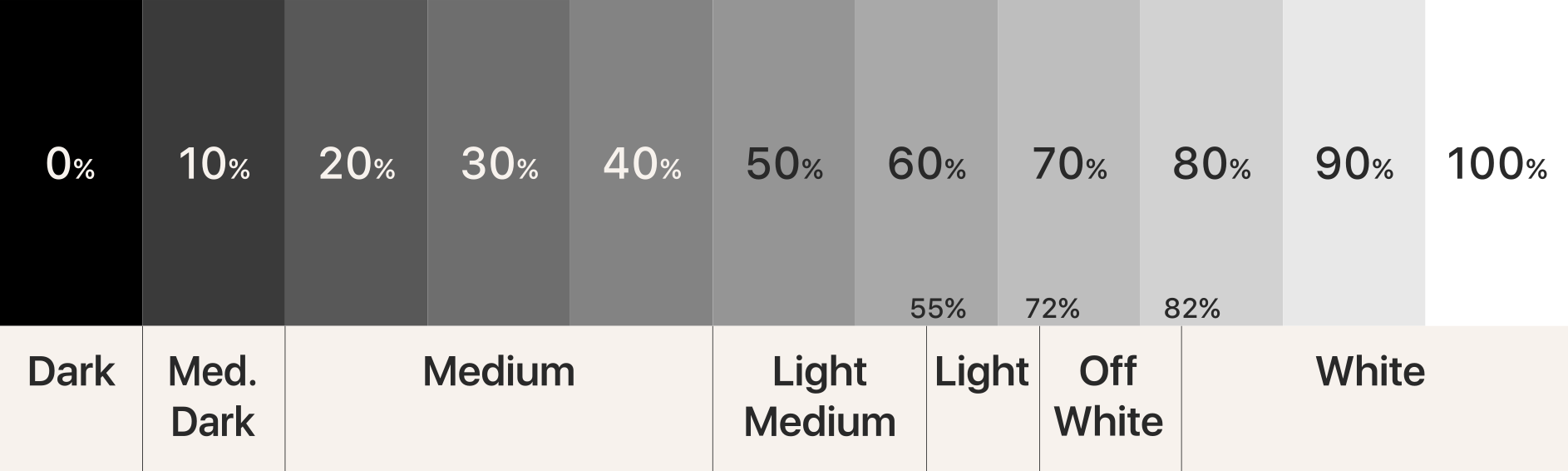
Light Reflectance Value measures the amount of visible and usable light that reflects from a painted surface.
Simply put, the higher the LRV of a paint color, the brighter the room you will get.
The scale goes from 0% (absolute black, absorbing all light) to 100% (pure white, reflecting all light).
Act like a pro: When choosing paint with an LRV of 43%, pay attention to your bulbs' brightness. Light brightness is measured in lumens. The lower the paint's LRV, the higher lumen level you need. Every square foot of room needs at least 40 lumens. That means for a 200 ft2 living room you'll need about 8000 lumens of light – e.g., eight 1000 lm bulbs.
Color codes
We have collected almost every possible color code you could ever need.
Not sure what the difference between HEX and RGB is? We break down color models in plain language. Understanding color models
| Format | Code |
|---|---|
| HEX | #a8bba0 |
| RGB Decimal | 168, 187, 160 |
| RGB Percent | 65.88%, 73.33%, 62.75% |
| HSV | Hue: 102° Saturation: 14.44% Value: 73.33% |
| HSL | hsl(102, 17, 68) |
| CMYK | Cyan: 10.16 Magenta: 0.0 Yellow: 14.44 Key: 26.67 |
| YIQ | Y: 178.241 I: -2.646 Q: -12.422 |
| XYZ | X: 40.262 Y: 46.403 Z: 40.084 |
| CIE Lab | L:73.806 a:-11.585 b:11.499 |
| CIE Luv | L:73.806 u:-9.424 v:18.449 |
| Decimal | 11058080 |
| Hunter Lab | 68.12, -13.707, 12.796 |

Color equivalents
309
Whirlybird
Farrow and Ball


70GY 46/120
Dewy Lawn
Dulux

50GY 43/120
Woodland Pearl 3
Dulux
Putting Green
Dulux

70GY 49/201
Amazon Jungle 3
Dulux
30GY 41/173
Bamboo Stem
Dulux

50GY 55/207
Japanese Maze 3
Dulux
295
Boringdon Green
Little Greene

RAL 6019
Pastel green
RAL Classic
50GY 44/248
Japanese Maze 2
Dulux
91
Pea Green
Little Greene

50GY 52/263
Moorland Magic 3
Dulux
50GY 57/096
Common Land
Dulux

H444
Tikkurila

90GY 60/164
Crushed Pine 4
Dulux
81
Breakfast Room Green
Farrow and Ball

84
Green Blue
Farrow and Ball
X445
Lido
Tikkurila
