

Little Greene Fescue 231
Contentsshow +hide -
- Fescue for living room (2 photos)
- Little Greene 231 on kitchen cabinets (2 photos)
- Little Greene Fescue reviews (3 photos)
- What are Little Greene Fescue undertones?
- Is Fescue 231 cool or warm?
- How light temperature affects on Fescue
- Monochromatic color scheme
- Complementary color scheme
- Color comparison and matching
- LRV of Fescue 231
- Color codes
- Color equivalents
| Official page: | Fescue 231 |
| Code: | 231 |
| Name: | Fescue |
| Brand: | Little Greene |
| Collections: | Grey |
What color is Little Greene Fescue?
What color is Little Greene Fescue?
Little Greene's Fescue is a soft, muted green with a hint of grey, making it a versatile color that can be used in a variety of settings. This color is perfect for creating a calming and relaxing atmosphere in bedrooms, living rooms, and bathrooms. Consider using it in a contemporary space with clean lines and minimalistic decor for a fresh and modern look.
How to use Little Greene Fescue?
This color pairs well with warm wood tones, as well as natural materials such as rattan or wicker, creating a comfortable and inviting space. Consider using it in a contemporary space with clean lines and minimalistic decor for a fresh and modern look.
What color goes best with Little Greene Fescue?
Fescue pairs perfectly with warm and dark colors such as Little Greene Ambleside or Little Greene Tea with Florence, adding a touch of tranquility to the space. However, for a bolder and more striking look, consider combining Fescue with contrasting colors like Little Greene Goblin or Royal Navy. With Fescue as the foundation, the possibilities for creating a stunning color palette are endless.
What color is similar to Fescue?
If you are looking for colors similar to Little Greene Fescue, you might consider Tikkurila Piazza, which is a muted beige color with gray undertones. Revere Pewter by Benjamin Moore is a warm gray that complements well with Fescue. Alternatively, you can also consider French Grey by Little Greene, or Balboa Mist by Benjamin Moore, both of which are soft and subtle gray-green hues that can create a serene and calming atmosphere.
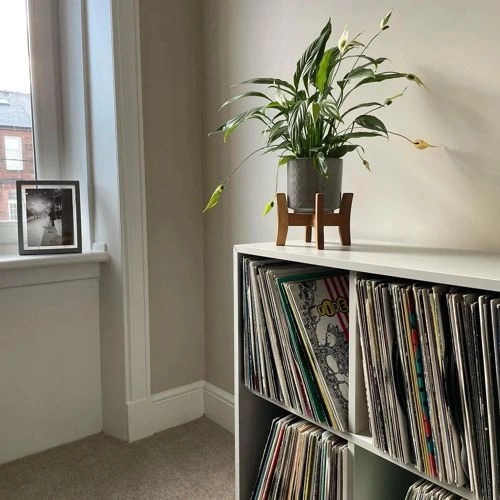
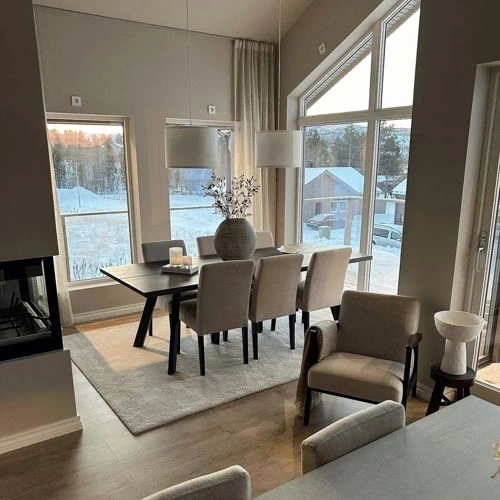
Fescue for living room (2 photos)
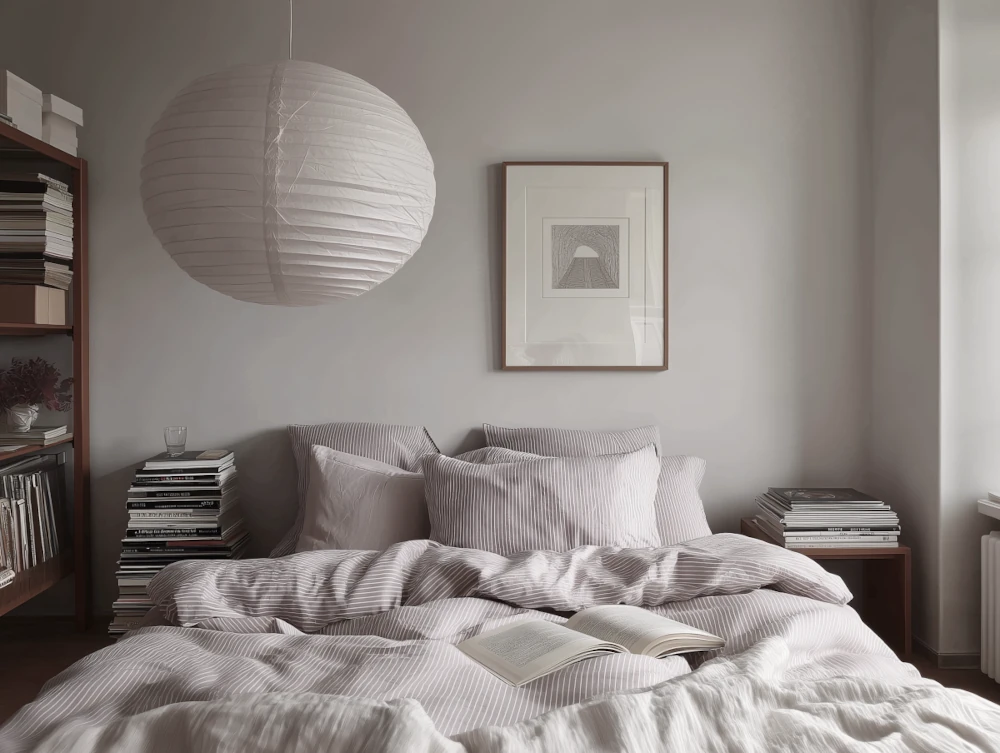
Check out this stunning light color used in real living rooms. Explore how this grey shade can create a unique space
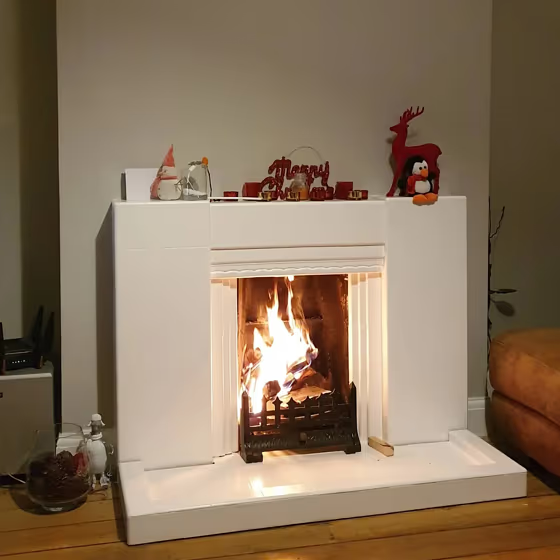
@from_house_to_home_briarwood
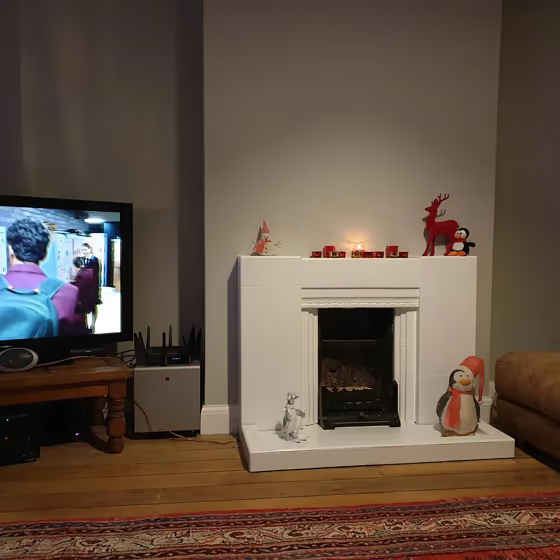
@from_house_to_home_briarwood
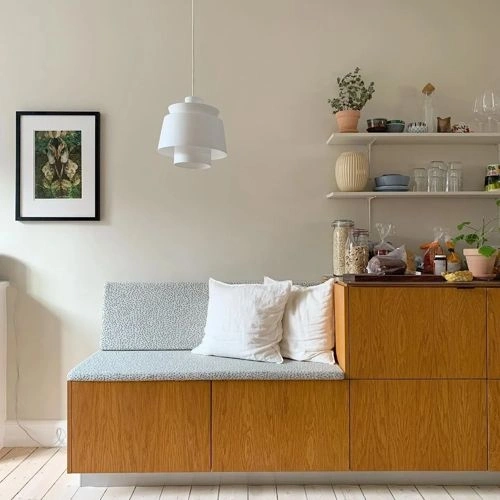
Little Greene 231 on kitchen cabinets (2 photos)
Want a stylish kitchen? View real-life photo examples of this fascinating warm grey hue is paired with backsplashes, countertops, and hardware.
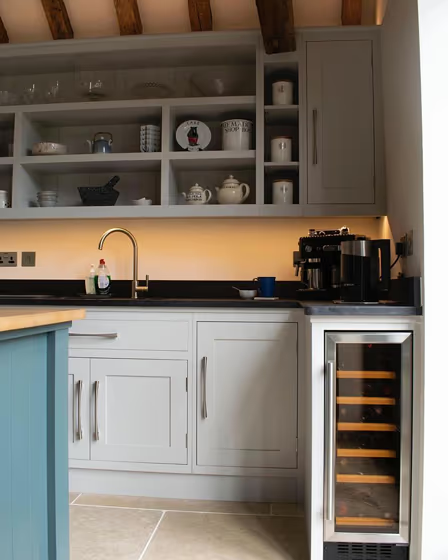
@dgclifton
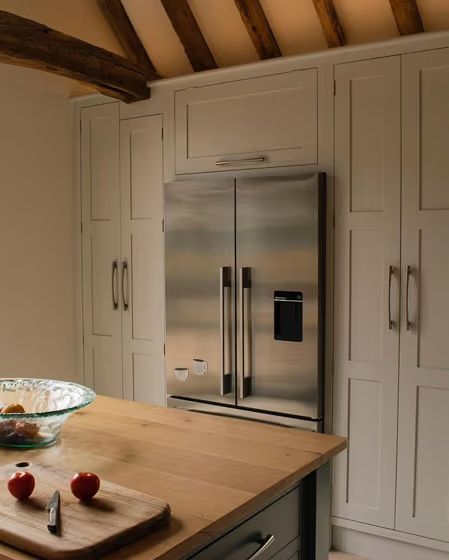
@dgclifton
Little Greene Fescue reviews (3 photos)
View the photos of real spaces painted with this grey that were not included in specific categories. Close-ups, painted furniture, storages and dressers, hallways, stairs and ceilings.
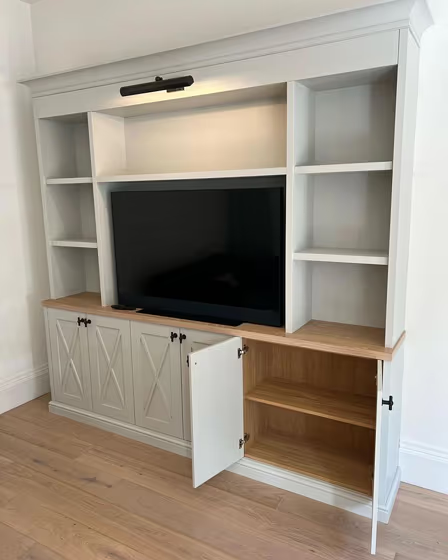
@oakesinteriors
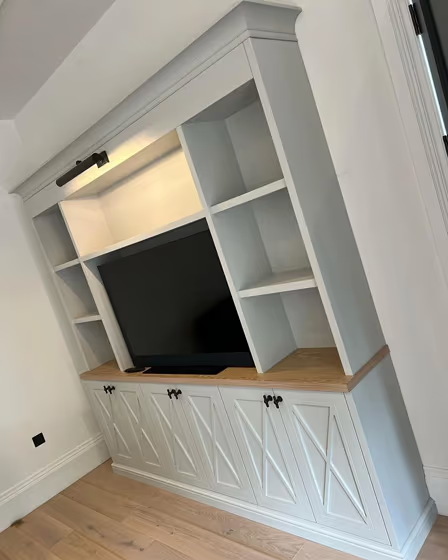
@oakesinteriors
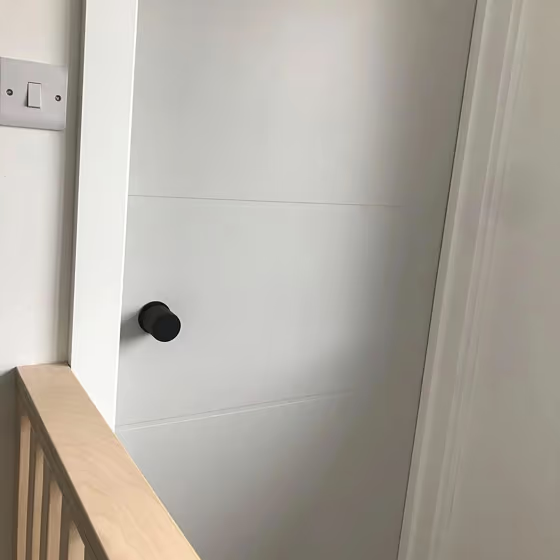
@sunset_croyde
Try before you buy

100% accurate
reusable paint samples
Peel, stick,
and repeat
Twice painted
with real paint

Next day
delivery
What are Little Greene Fescue undertones?
Fescue is a light, very muted off-white with a soft yellow-beige direction rather than a crisp white or grey cast. Its subtle warmth is low-key, so it can read close to neutral while still feeling less blue than a cooler pale grey. No manufacturer undertone description was available to confirm a specific named undertone. Warm artificial light may bring out its gentle yellow-beige bias, while cool daylight can make it appear more neutral and slightly greyer.
Manufacturer information used in this description: official color page.
HEX value:
RGB code:
204, 199, 185
Is Little Greene Fescue cool or warm?
warm
cool
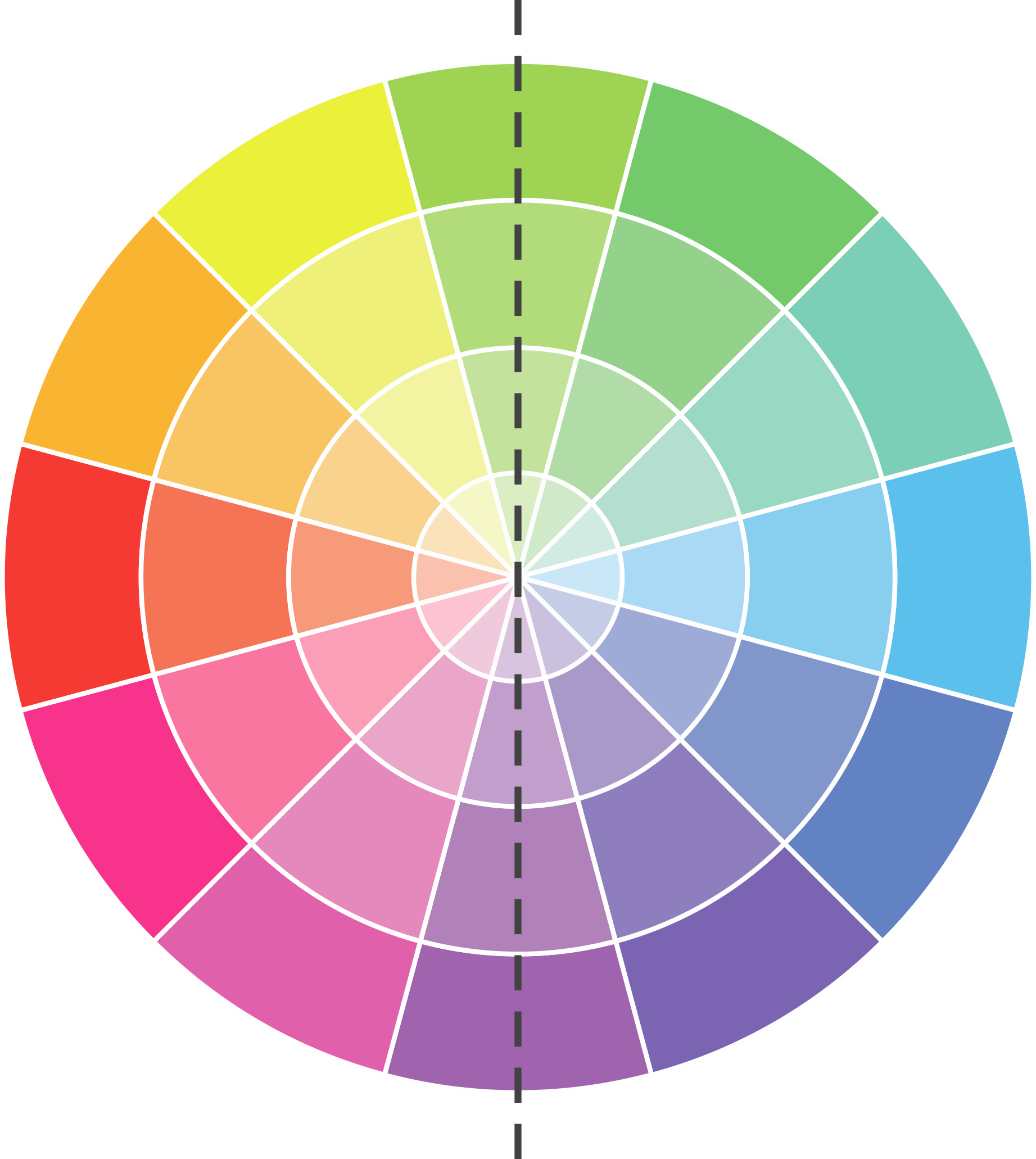
With a hue of 44°, this Grey reads warm on the HSL color wheel.
231 Fescue HSL code: 44, 16%, 76%
Hue - degree on a color wheel from 0 to 360. 0 is red, 120 is green, and 240 is blue.
Saturation is expressed as a percentage. At 0%, it appears as a shade of grey, and at 100%, it is in full color.
Lightness is also a percentage value. 0% is black, and 100% is white.
How light temperature affects Fescue
Natural Lighting. During the day, natural light shifts from about 2000 K at sunrise/sunset to 5500–6500 K at noon.
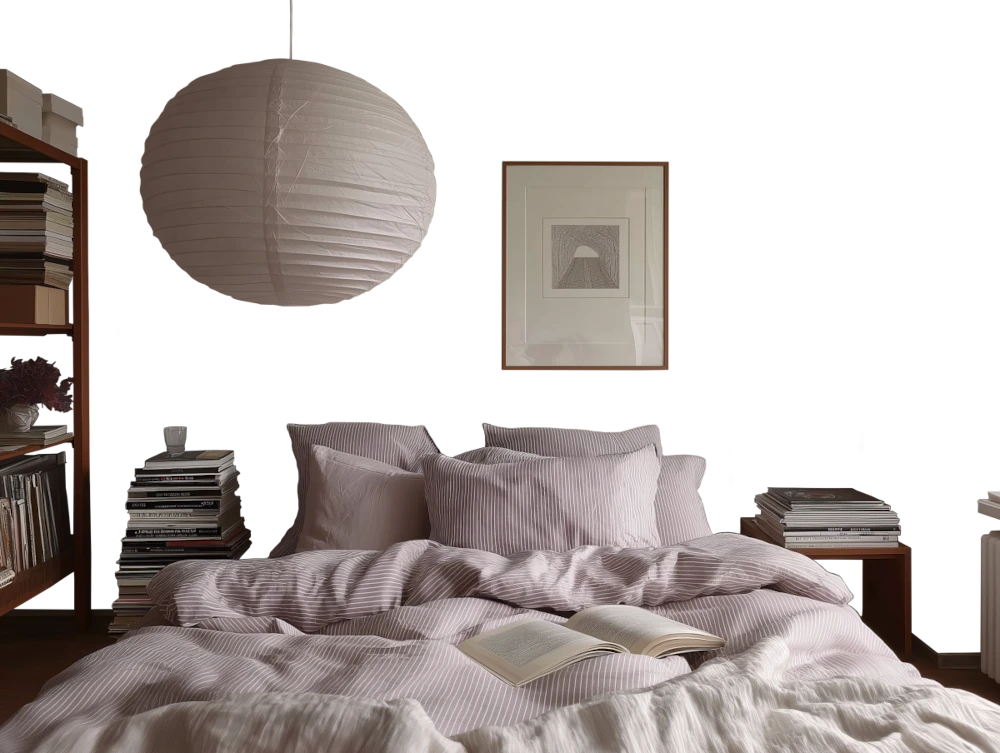
In addition, natural-light temperature depends on its direction:
| Direction of sunlight | Visible temp. | Hue | Duration |
|---|---|---|---|
| North | Cool | Bluish | All day |
| East | Warm | Yellow | Before noon |
| West | Warm | Orange-red | After noon |
| South | Warm | Orange-yellow | All day |
Artificial Lighting. When choosing bulbs, pay attention to their color temperature in Kelvins.
Use the slider to see how this Grey shade looks under different lighting:
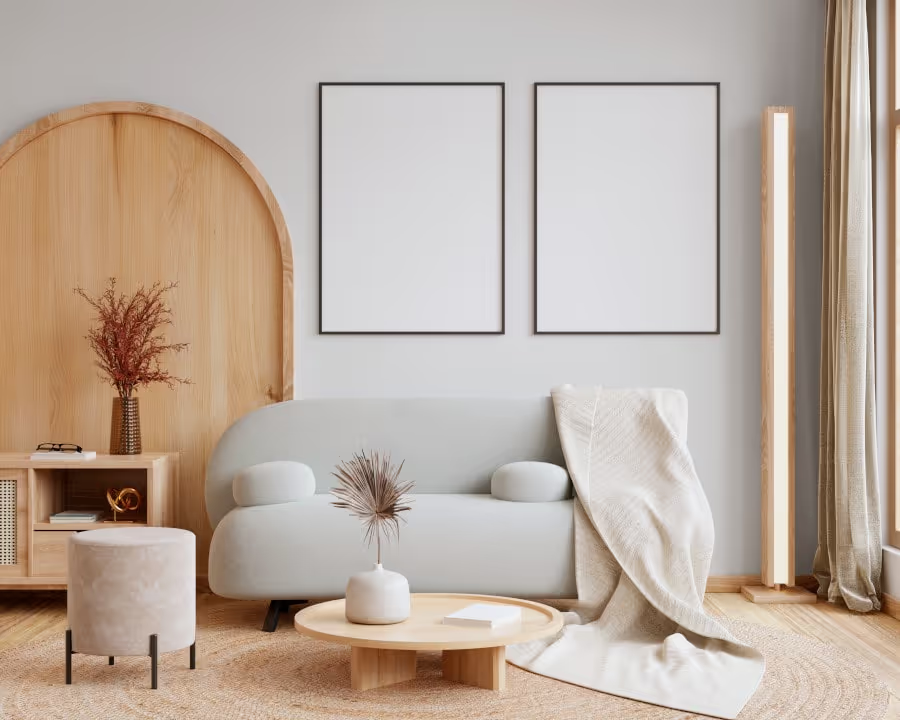
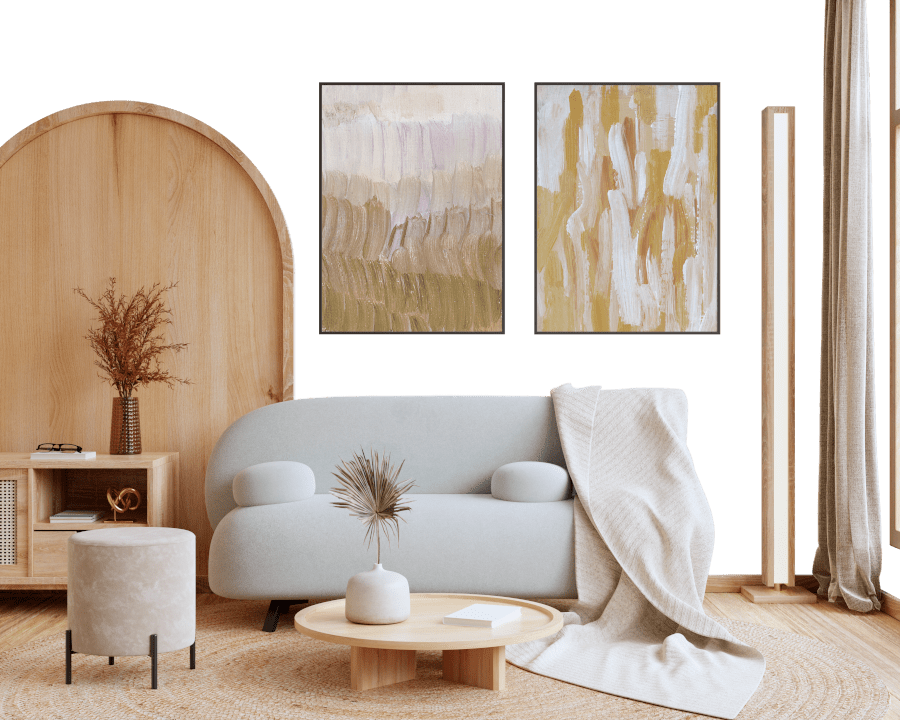
4000K
Coordinating colors.
Colors that go with Little Greene Fescue:
Monochromatic color scheme
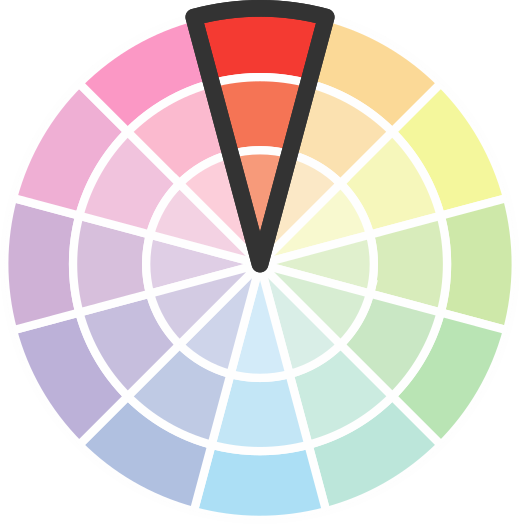
This scheme consists of various shades, tints, and tones of a single color. While it offers a perfect combination of hues, without accent décor it may become monotonous.
Lighter shades

Darker shades
Complementary color scheme
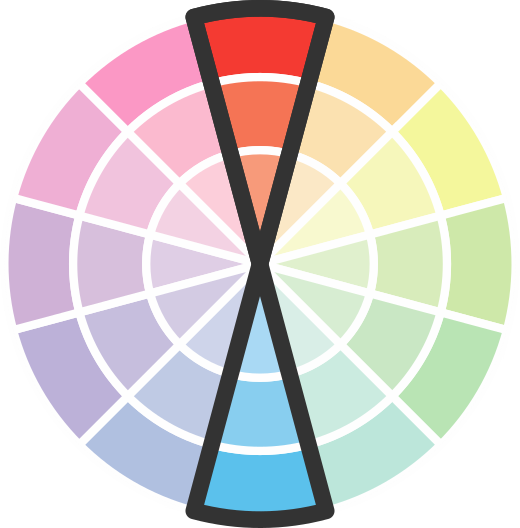
This color scheme is a combination of two shades that are opposite each other on the color wheel. The high contrast between these colors creates a vibrant and dynamic visual effect. For the color Fescue with a orange hue, complementary colors are those with a blue hue close to 224, such as Little Greene Juniper Ash and Pale Lupin.






LRV of Fescue
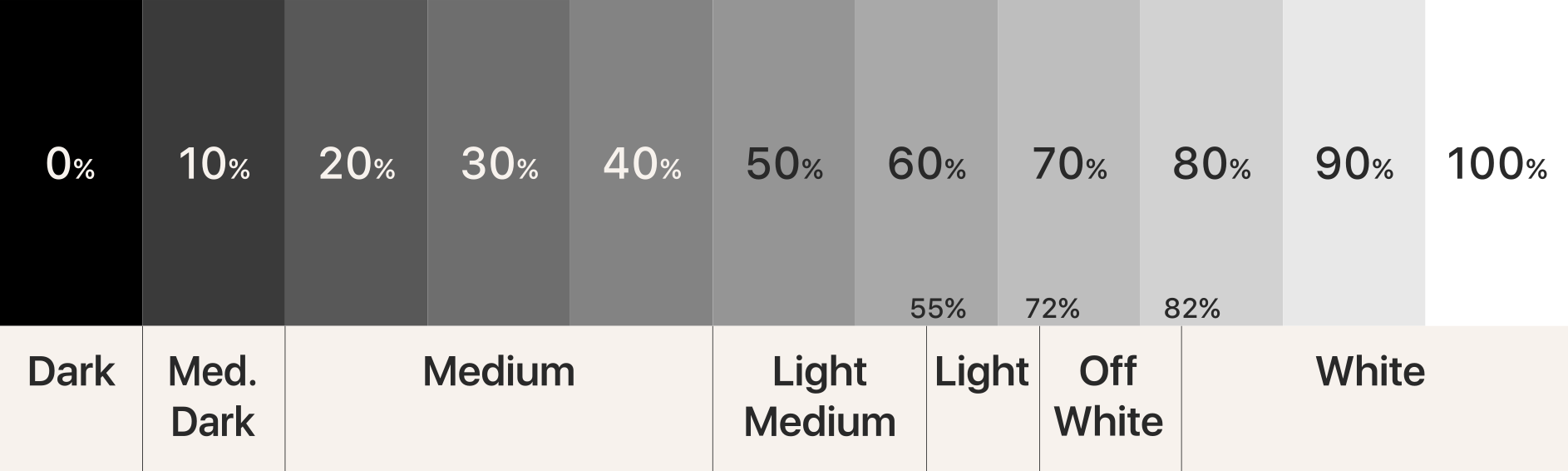
Fescue has an LRV of 61% and refers to Light colors that reflect most of the incident light. Why LRV is important?
Light Reflectance Value measures the amount of visible and usable light that reflects from a painted surface.
Simply put, the higher the LRV of a paint color, the brighter the room you will get.
The scale goes from 0% (absolute black, absorbing all light) to 100% (pure white, reflecting all light).
Act like a pro: When choosing paint with an LRV of 61%, pay attention to your bulbs' brightness. Light brightness is measured in lumens. The lower the paint's LRV, the higher lumen level you need. Every square foot of room needs at least 40 lumens. That means for a 200 ft2 living room you'll need about 8000 lumens of light – e.g., eight 1000 lm bulbs.
Color codes
We have collected almost every possible color code you could ever need.
Not sure what the difference between HEX and RGB is? We break down color models in plain language. Understanding color models
| Format | Code |
|---|---|
| HEX | #ccc7b9 |
| RGB Decimal | 204, 199, 185 |
| RGB Percent | 80.00%, 78.04%, 72.55% |
| HSV | Hue: 44° Saturation: 9.31% Value: 80.0% |
| HSL | hsl(44, 16, 76) |
| CMYK | Cyan: 0.0 Magenta: 2.45 Yellow: 9.31 Key: 20.0 |
| YIQ | Y: 198.899 I: 7.478 Q: -3.299 |
| XYZ | X: 54.081 Y: 57.187 Z: 54.075 |
| CIE Lab | L:80.285 a:-0.7 b:7.625 |
| CIE Luv | L:80.285 u:3.711 v:11.309 |
| Decimal | 13420473 |
| Hunter Lab | 75.622, -4.687, 10.539 |

Color equivalents
9904
Shadow Gray
Farrow and Ball

113
French Grey
Little Greene
10679
Washed Linen
Jotun
1016
Antique White
Jotun

0553
Chino
Jotun

1563
Lucerne
Jotun
30YY 56/060
Shaded Stone
Dulux

8470
Smooth White
Jotun

12077
Sheer Grey
Jotun

12182
Gentle Whisper
Jotun
30YY 58/082
Crispy Crumble
Dulux
X487
Plaster
Tikkurila
10678
Space
Jotun
1876
Wild Earl
Jotun

70YY 57/098
Mossy Stone
Dulux

1140
Sand
Jotun
10182
White Linen
Jotun

Antique Map
Dulux