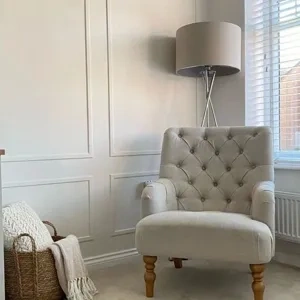
Little Greene Rolling Fog - Light 271
Contentsshow +hide -
- Little Greene Rolling Fog - Light reviews (5 photos)
- What are Little Greene Rolling Fog - Light undertones?
- Is Rolling Fog - Light 271 cool or warm?
- How light temperature affects on Rolling Fog - Light
- Monochromatic color scheme
- Complementary color scheme
- Color comparison and matching
- Color codes
- Color equivalents
| Official page: | Rolling Fog - Light 271 |
| Code: | 271 |
| Name: | Rolling Fog - Light |
| Brand: | Little Greene |
| Collections: | Stone |
What color is Little Greene Rolling Fog - Light?
Little Greene Rolling Fog - Light 271 is a pale, low-saturation neutral that sits between soft grey and warm beige. Its #e1dcd2 value gives it a lightly creamy cast, with muted taupe-grey undertones rather than a crisp white appearance. In daylight, it reads as an airy off-white with gentle warmth; under warmer evening bulbs, the beige side becomes more apparent. Use it across living room, bedroom, or hallway walls where a quiet backdrop is wanted without the starkness of pure white. It pairs naturally with chalky whites, weathered oak, linen upholstery, brushed brass, and deeper charcoal or mushroom-toned accents.
Little Greene Rolling Fog - Light reviews (5 photos)
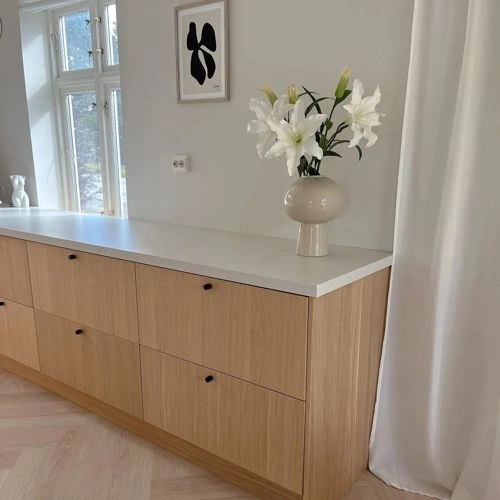
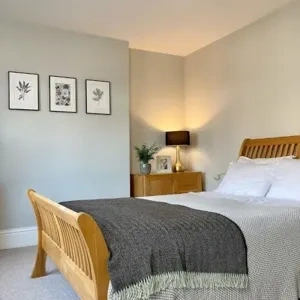
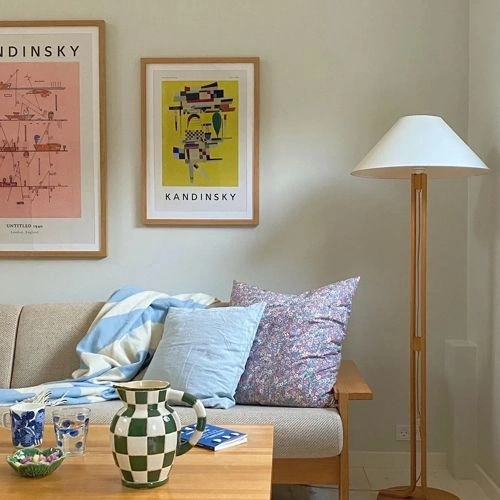
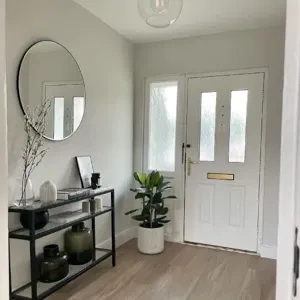
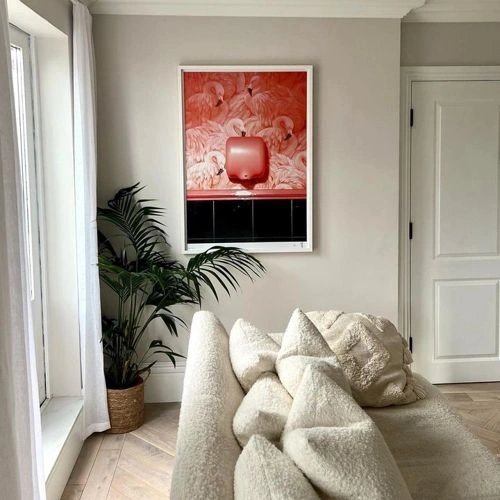
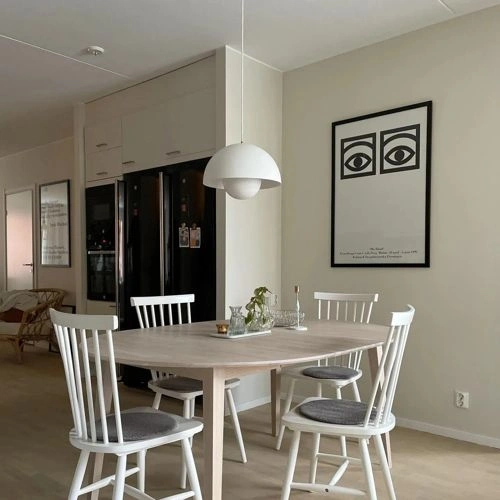
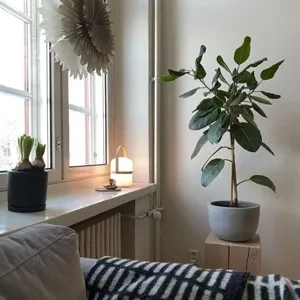
View the photos of real spaces painted with this grey that were not included in specific categories. Close-ups, painted furniture, storages and dressers, hallways, stairs and ceilings.
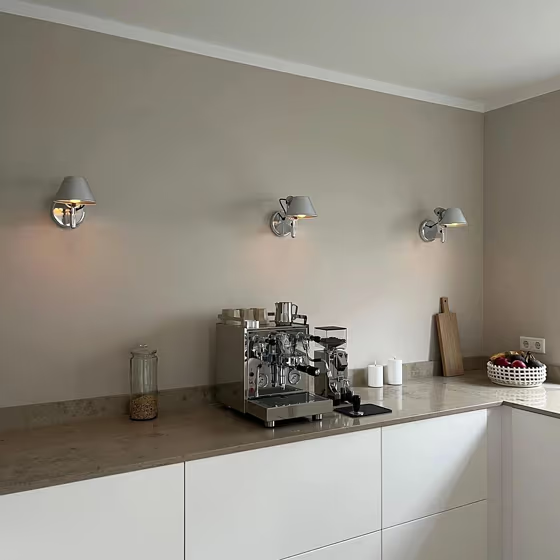
@larissa_geib
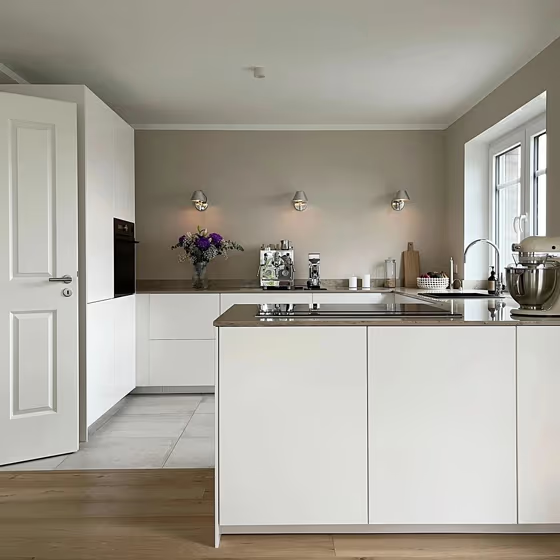
@larissa_geib
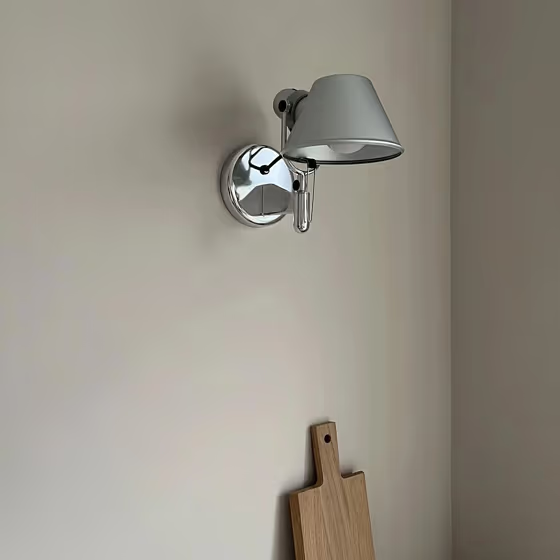
@larissa_geib
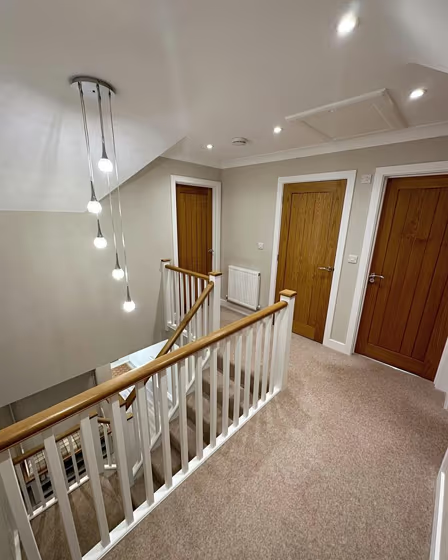
@wkpd1986
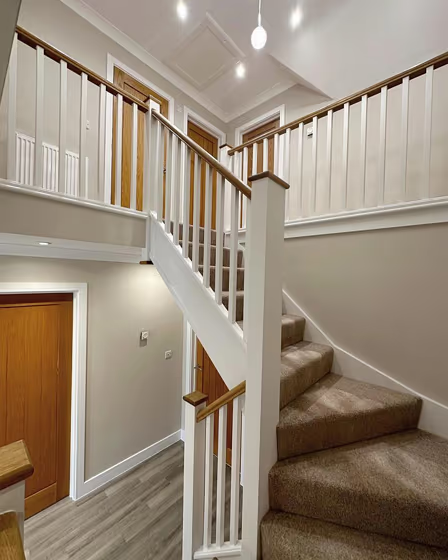
@wkpd1986
Try before you buy

100% accurate
reusable paint samples
Peel, stick,
and repeat
Twice painted
with real paint

Next day
delivery
What are Little Greene Rolling Fog - Light undertones?
Rolling Fog - Light is a light, very muted off-white with a soft yellow-beige cast rather than a crisp white appearance. The supplied digital color sample shows only a subtle warm bias, so its undertone is best understood as a gentle relative shift rather than a strong or fixed feature. In warm artificial light, its beige warmth may be easier to notice, while cool daylight can make it read closer to a neutral pale grey-beige.
Manufacturer information used in this description: official color page.
HEX value:
RGB code:
225, 220, 210
Is Little Greene Rolling Fog - Light cool or warm?
warm
cool
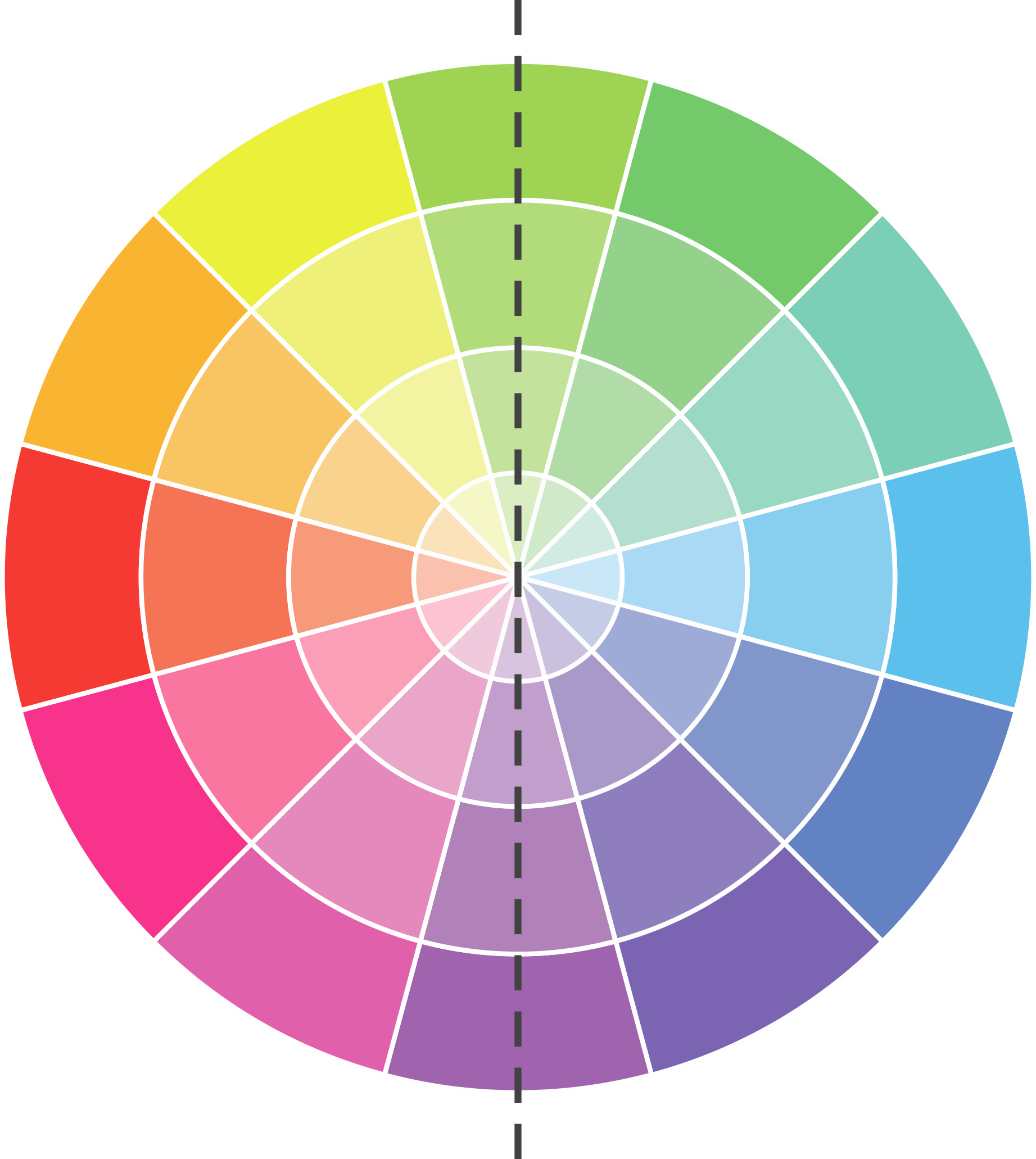
With a hue of 40°, this Grey reads warm on the HSL color wheel.
271 Rolling Fog - Light HSL code: 40, 20%, 85%
Hue - degree on a color wheel from 0 to 360. 0 is red, 120 is green, and 240 is blue.
Saturation is expressed as a percentage. At 0%, it appears as a shade of grey, and at 100%, it is in full color.
Lightness is also a percentage value. 0% is black, and 100% is white.
How light temperature affects Rolling Fog - Light
Natural Lighting. During the day, natural light shifts from about 2000 K at sunrise/sunset to 5500–6500 K at noon.
In addition, natural-light temperature depends on its direction:
| Direction of sunlight | Visible temp. | Hue | Duration |
|---|---|---|---|
| North | Cool | Bluish | All day |
| East | Warm | Yellow | Before noon |
| West | Warm | Orange-red | After noon |
| South | Warm | Orange-yellow | All day |
Artificial Lighting. When choosing bulbs, pay attention to their color temperature in Kelvins.
Use the slider to see how this Grey shade looks under different lighting:
Coordinating colors.
Colors that go with Little Greene Rolling Fog - Light:
Monochromatic color scheme
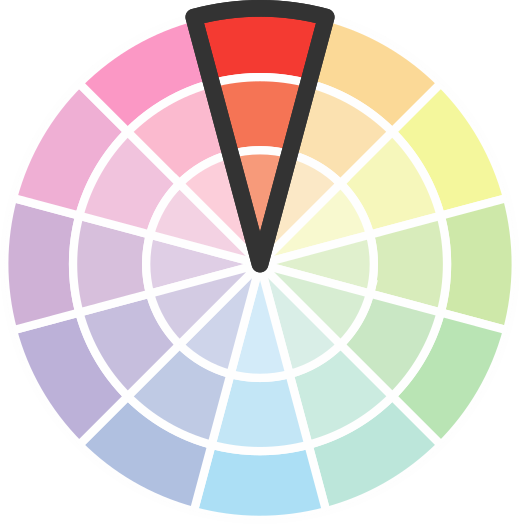
This scheme consists of various shades, tints, and tones of a single color. While it offers a perfect combination of hues, without accent décor it may become monotonous.
Lighter shades
271
Rolling Fog - Light

Darker shades
271
Rolling Fog - Light
Complementary color scheme
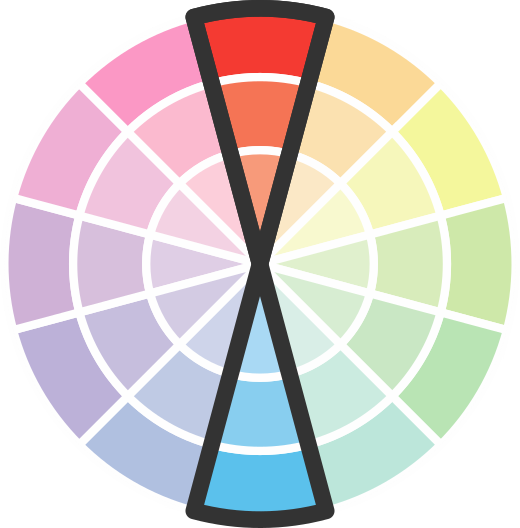
This color scheme is a combination of two shades that are opposite each other on the color wheel. The high contrast between these colors creates a vibrant and dynamic visual effect. For the color Rolling Fog - Light with a orange hue, complementary colors are those with a blue hue close to 220, such as Little Greene Juniper Ash and James.



Color codes
We have collected almost every possible color code you could ever need.
Not sure what the difference between HEX and RGB is? We break down color models in plain language. Understanding color models
| Format | Code |
|---|---|
| HEX | #e1dcd2 |
| RGB Decimal | 225, 220, 210 |
| RGB Percent | 88.24%, 86.27%, 82.35% |
| HSV | Hue: 40° Saturation: 6.67% Value: 88.24% |
| HSL | hsl(40, 20, 85) |
| CMYK | Cyan: 0.0 Magenta: 2.22 Yellow: 6.67 Key: 11.76 |
| YIQ | Y: 220.355 I: 6.193 Q: -2.054 |
| XYZ | X: 68.275 Y: 71.848 Z: 71.227 |
| CIE Lab | L:87.895 a:-0.031 b:5.513 |
| CIE Luv | L:87.895 u:3.448 v:8.275 |
| Decimal | 14802130 |
| Hunter Lab | 84.763, -4.557, 9.513 |

Color equivalents
0552
Breeze
Jotun

230
Ceviche
Little Greene
274
Ammonite
Farrow and Ball

30YY 69/048
Khaki Mists 5
Dulux

1024
Timeless
Jotun
30YY 78/035
Vintage Chandelier
Dulux

G484
Talcum
Tikkurila

40YY 73/028
Chiltern White
Dulux
10YY 73/042
Pale Nutmeg
Dulux
1376
Mist
Jotun
291
School House White
Farrow and Ball

G487
Batiste
Tikkurila

G485
Canvas
Tikkurila
20YY 74/055
Labrador Sands 6
Dulux
44YY 69/069
Weathered Pebble
Dulux
90YY 73/040
Spiders Web
Dulux
Y458
Merino
Tikkurila

30YY 79/053
Summer Linnen
Dulux