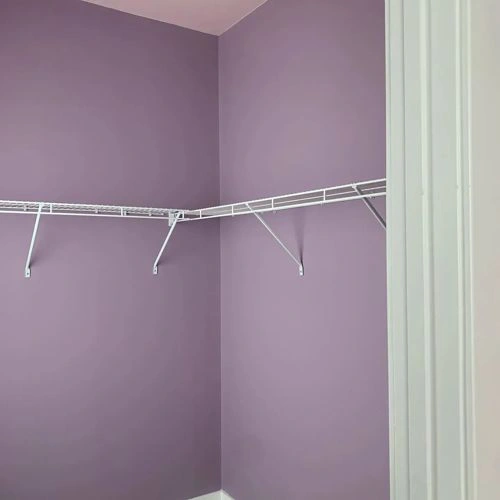
RAL Effect RAL 560-M
Contentsshow +hide -
| Code: | RAL 560-M |
| Name: | |
| Brand: | RAL Effect |
What color is RAL Effect RAL 560-M?
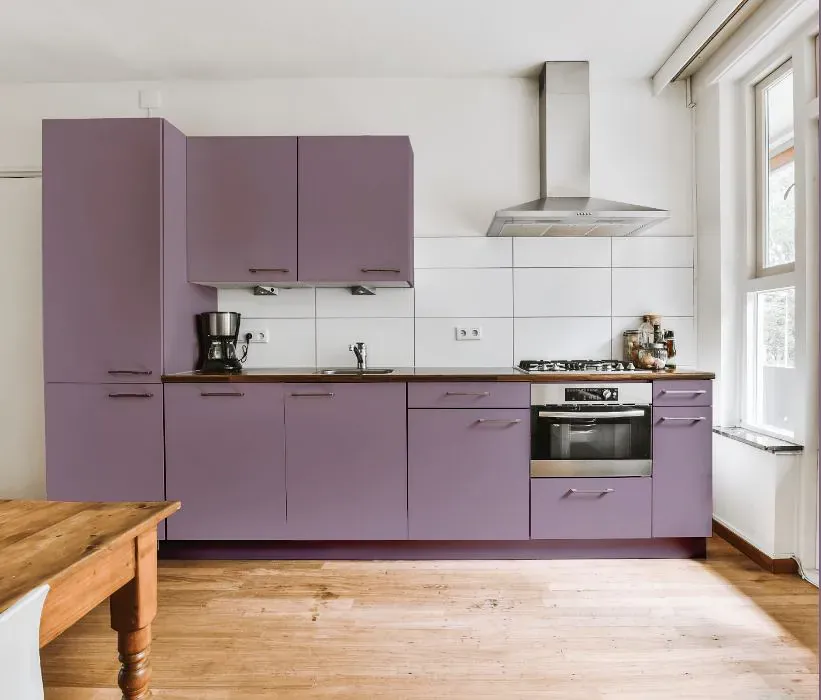
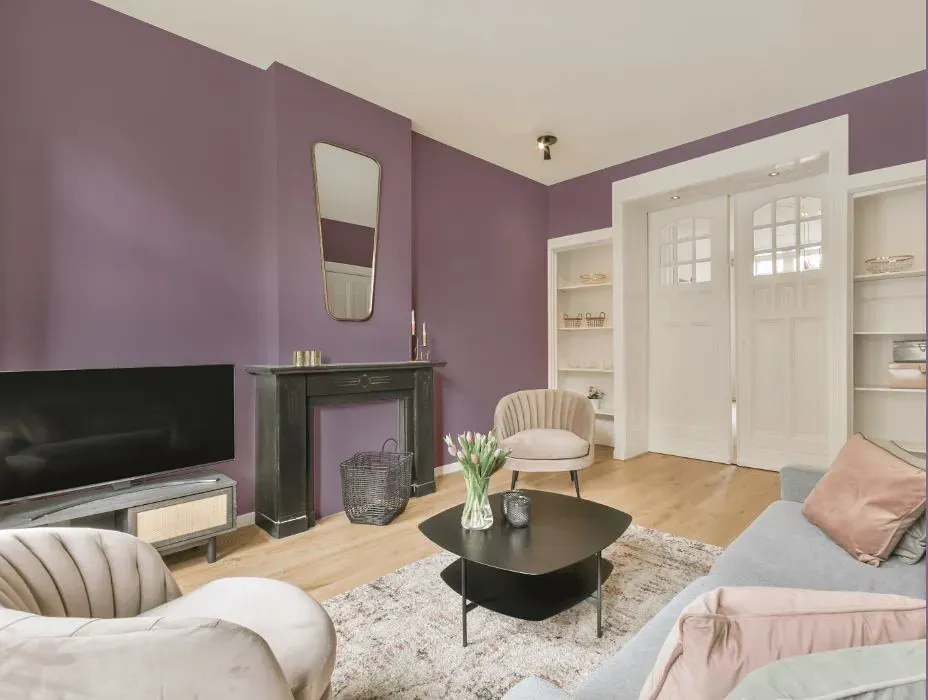
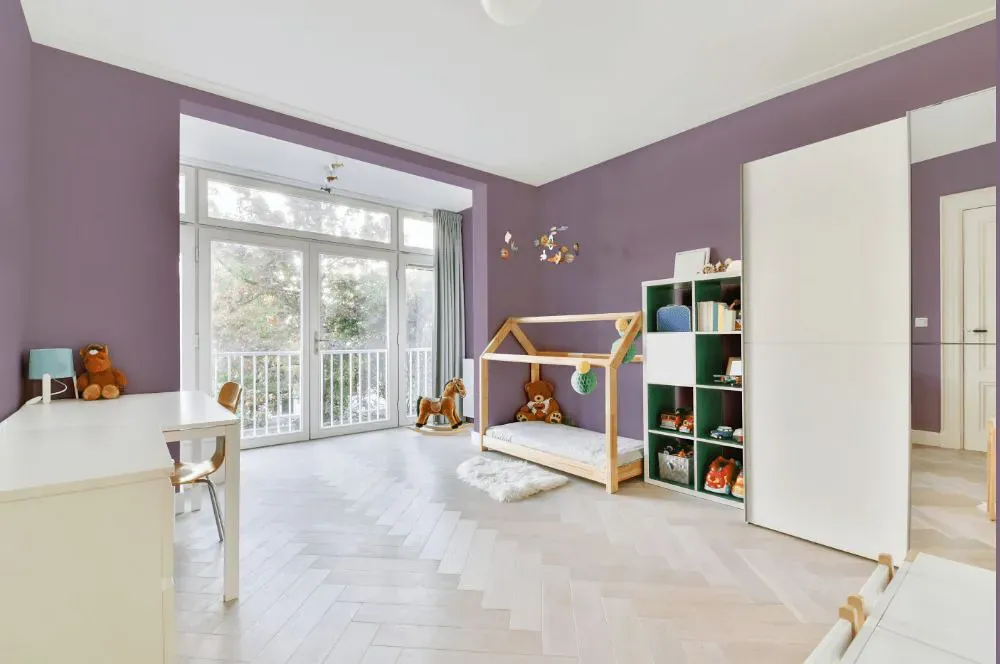
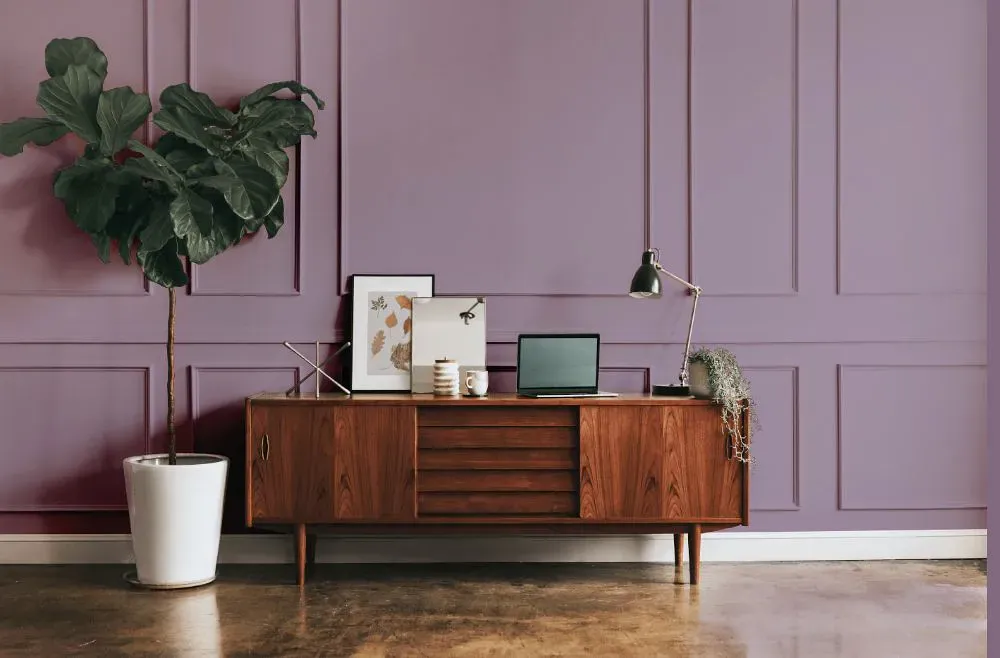
RAL Effect RAL 560-M is a pale pink color. This shade can be used as an accent color to create contrast or as a backdrop to highlight other elements in the space. As a result of the muted violet note, RAL 560-M has subtle warmth and is ideal for add interest to classic schemes.
The nearest colors to RAL 560-M are RAL Effect RAL 560-2 and Tikkurila Blueberry milk, which are also muted pink colors.
RAL Effect RAL 560-M reviews (23 photos)
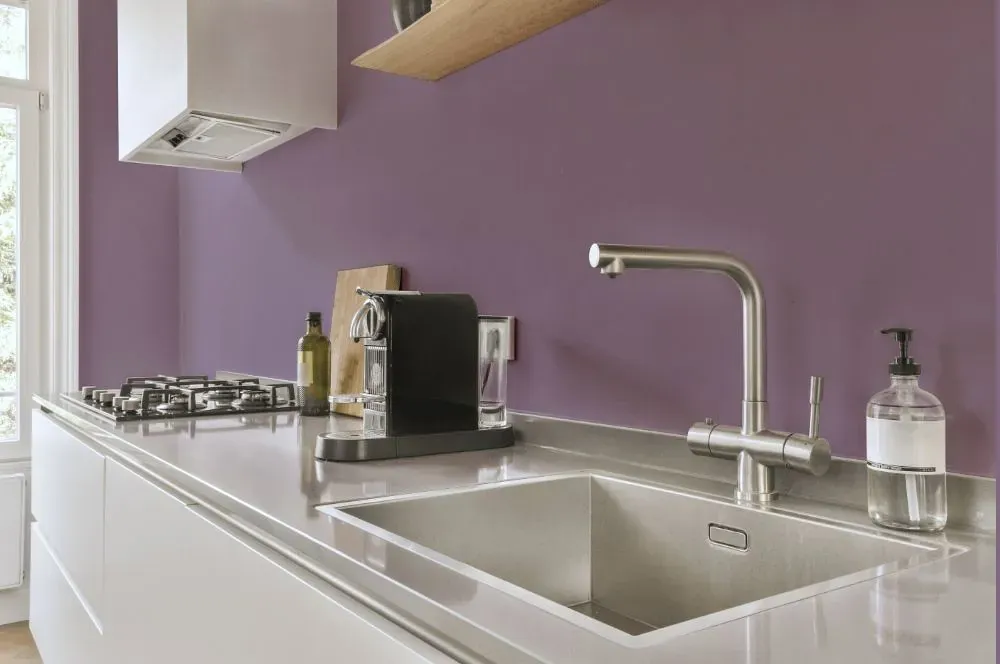
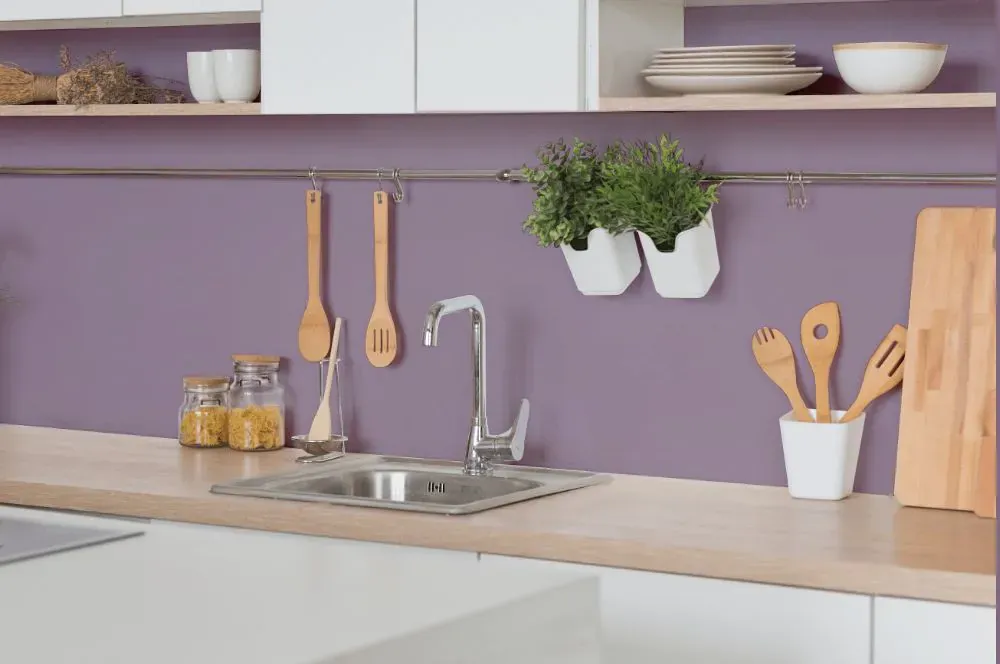
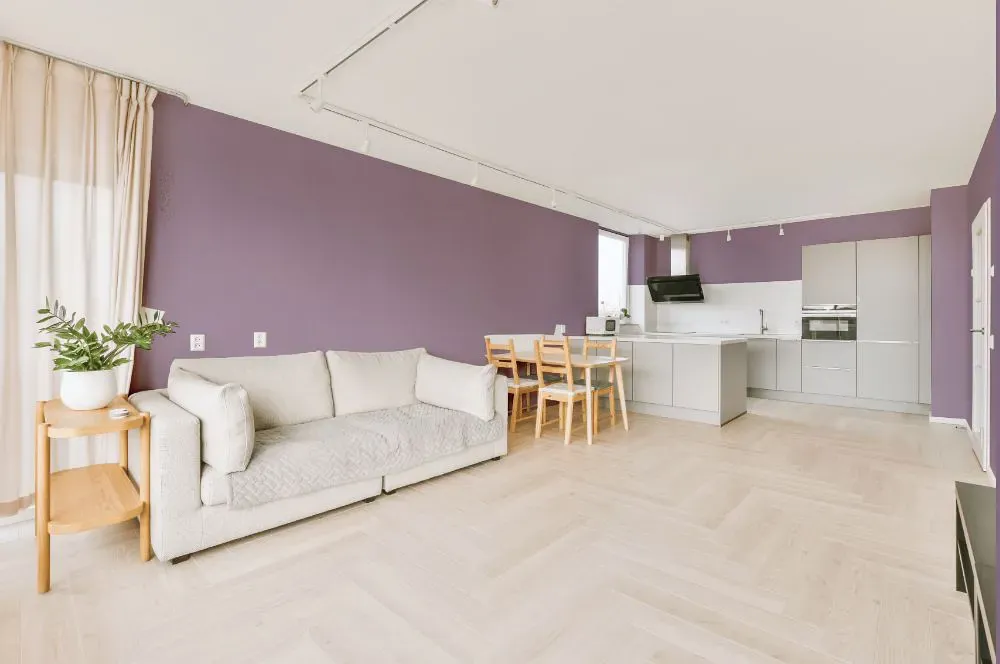
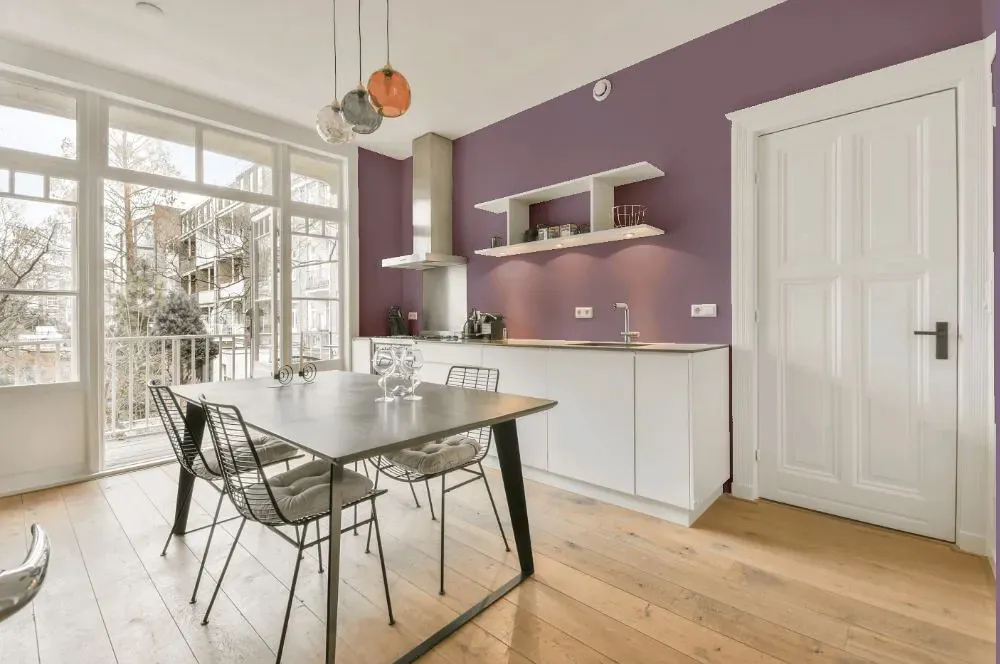
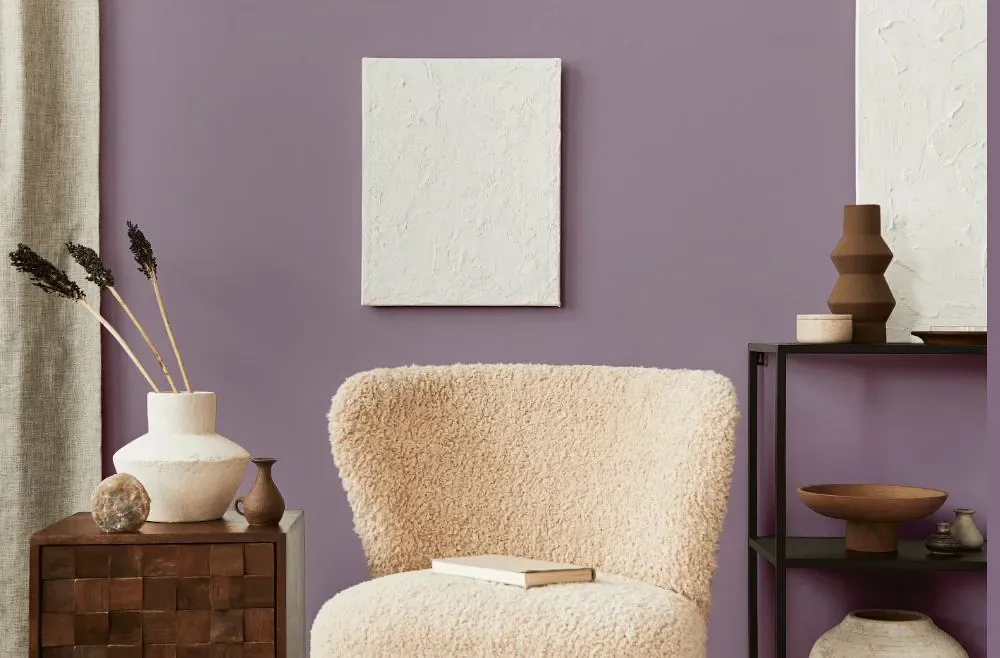
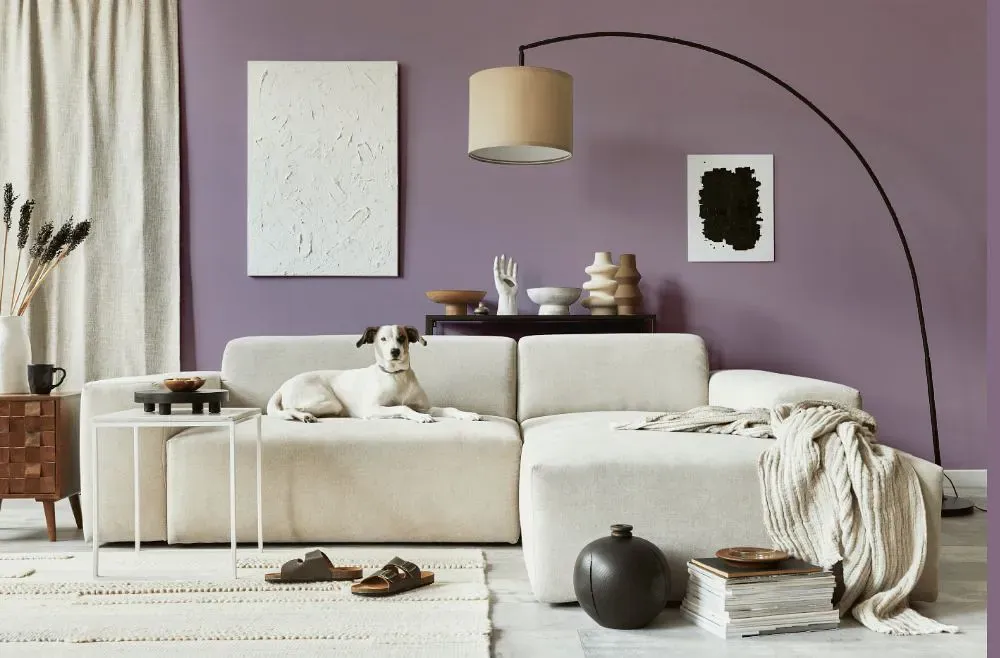
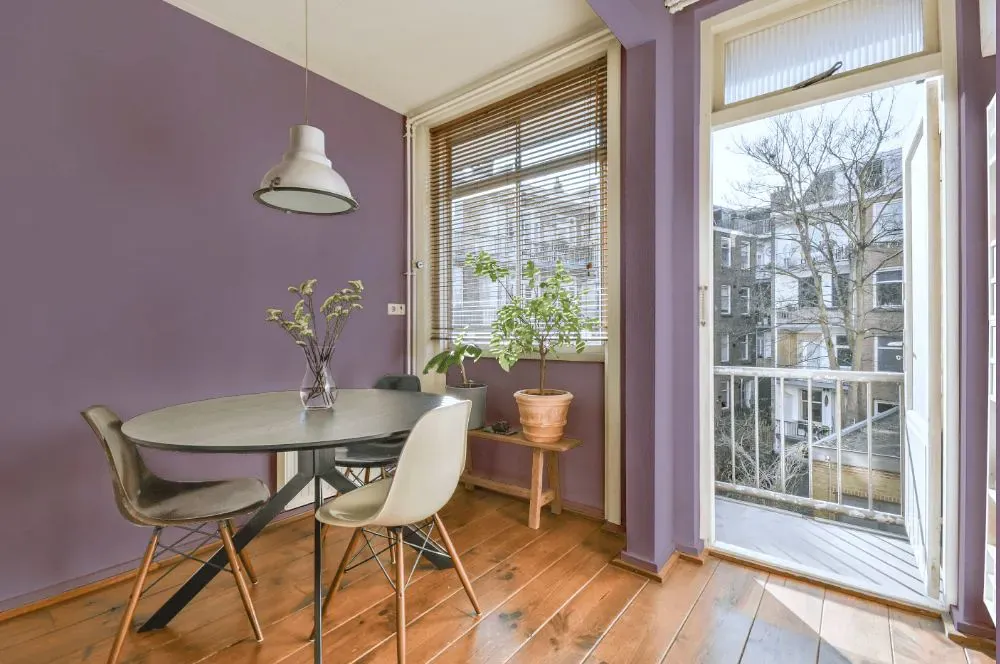
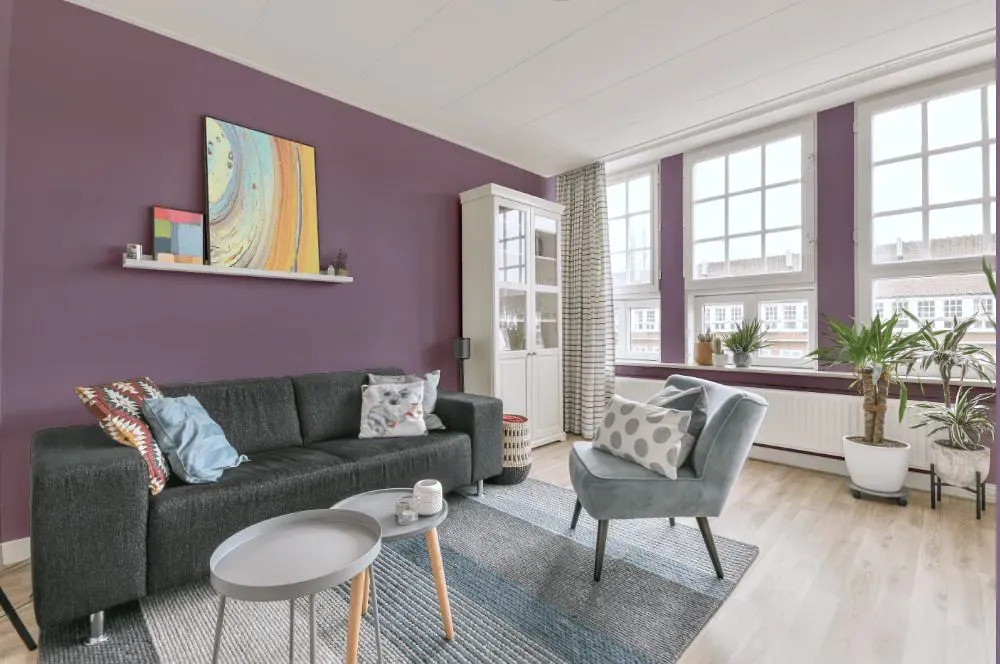
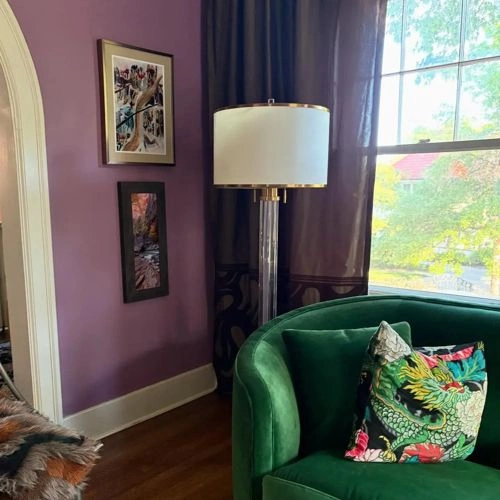
View the photos of real spaces painted with this purple that were not included in specific categories. Close-ups, painted furniture, storages and dressers, hallways, stairs and ceilings.
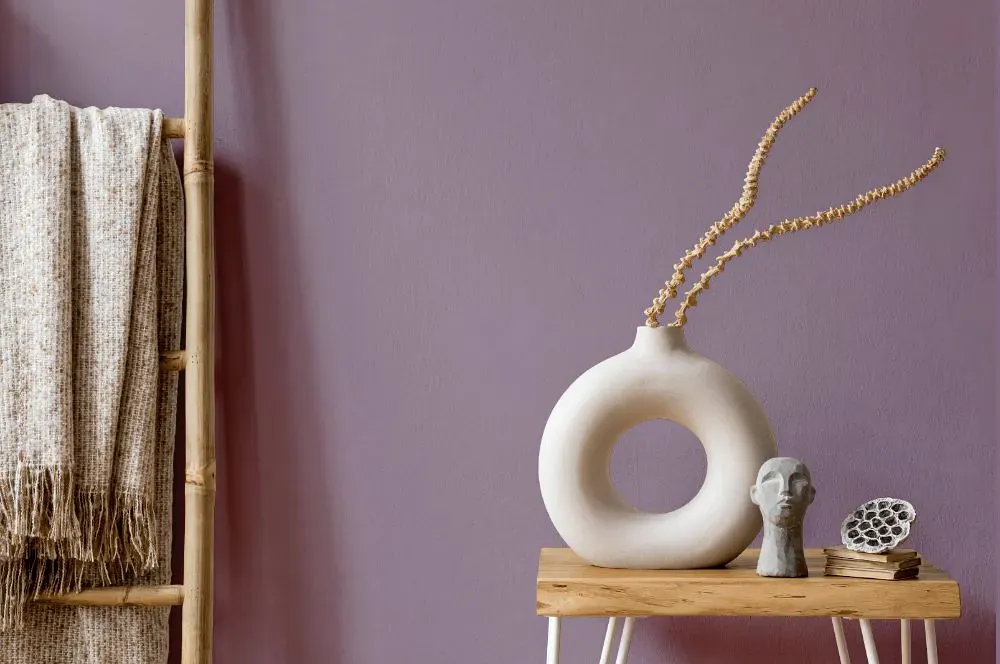
Plan Home visualization
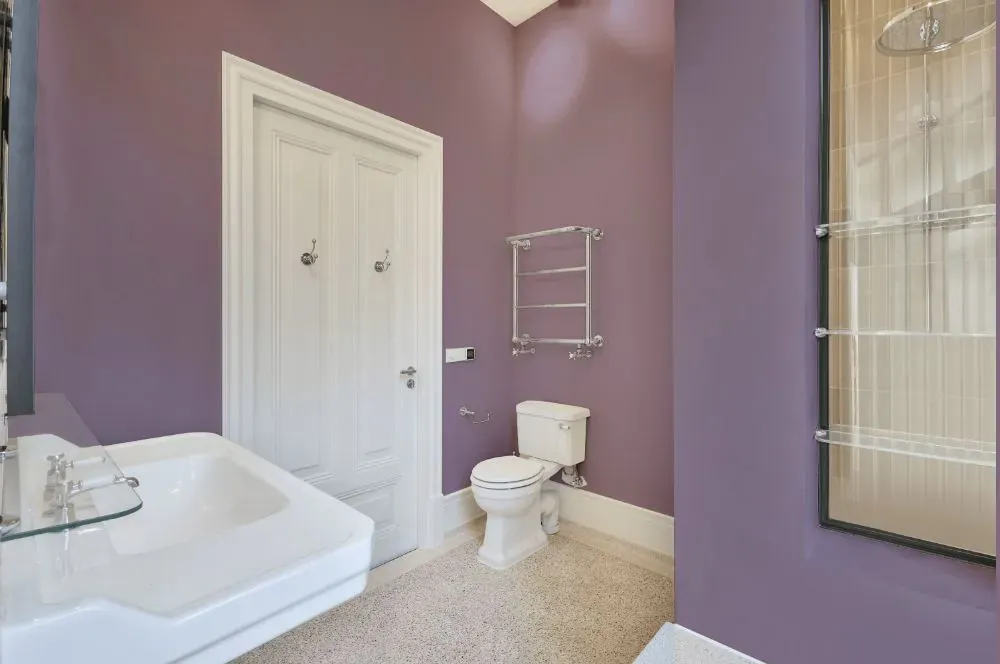
Plan Home visualization
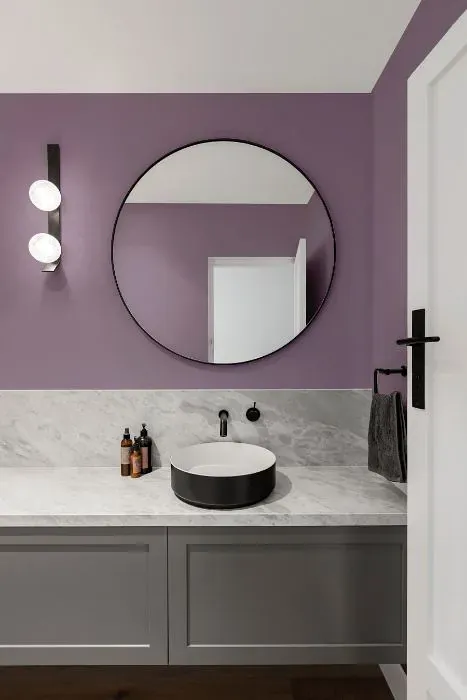
Plan Home visualization
Plan Home visualization
Plan Home visualization
Plan Home visualization
Plan Home visualization
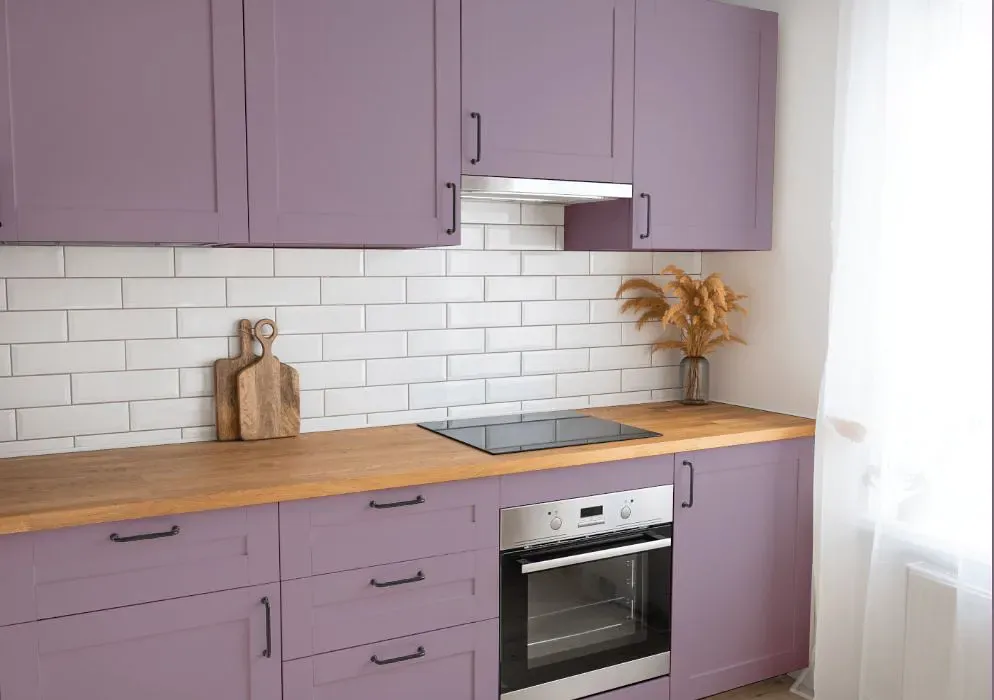
Plan Home visualization
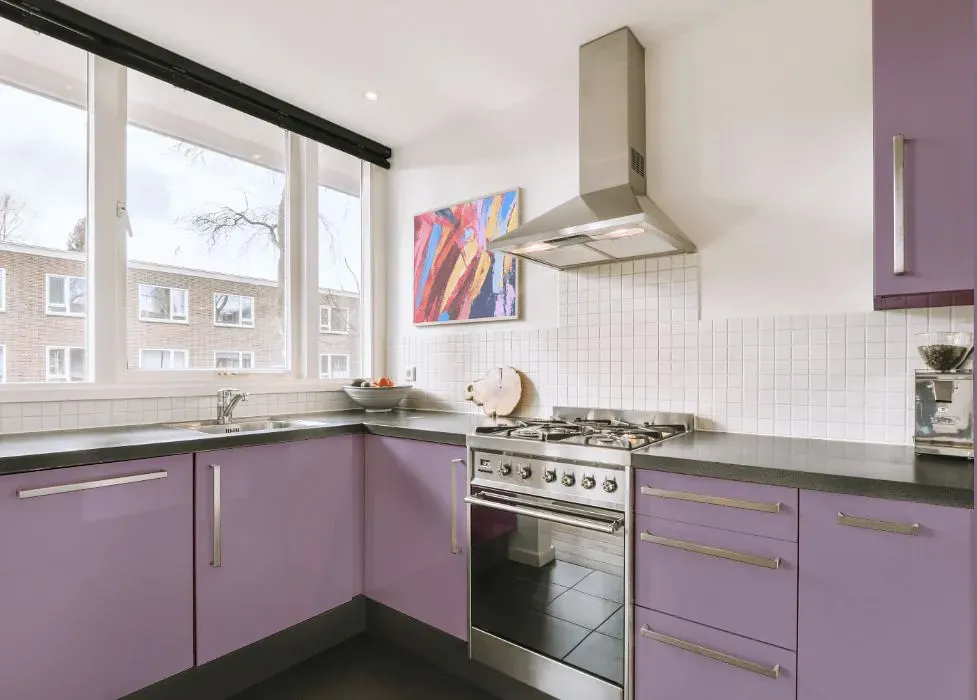
Plan Home visualization
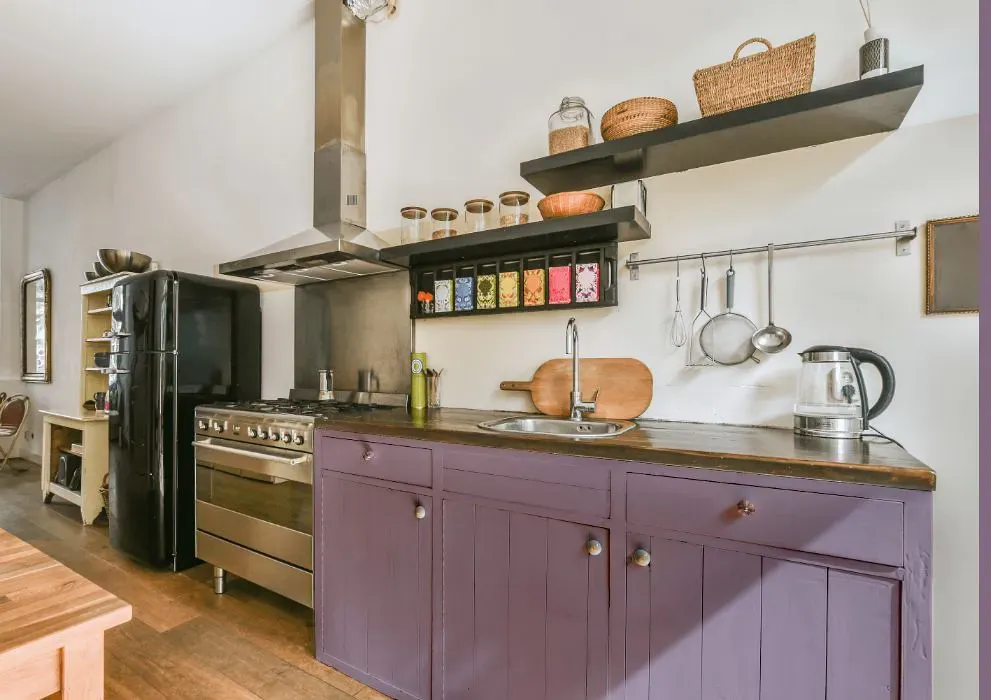
Plan Home visualization
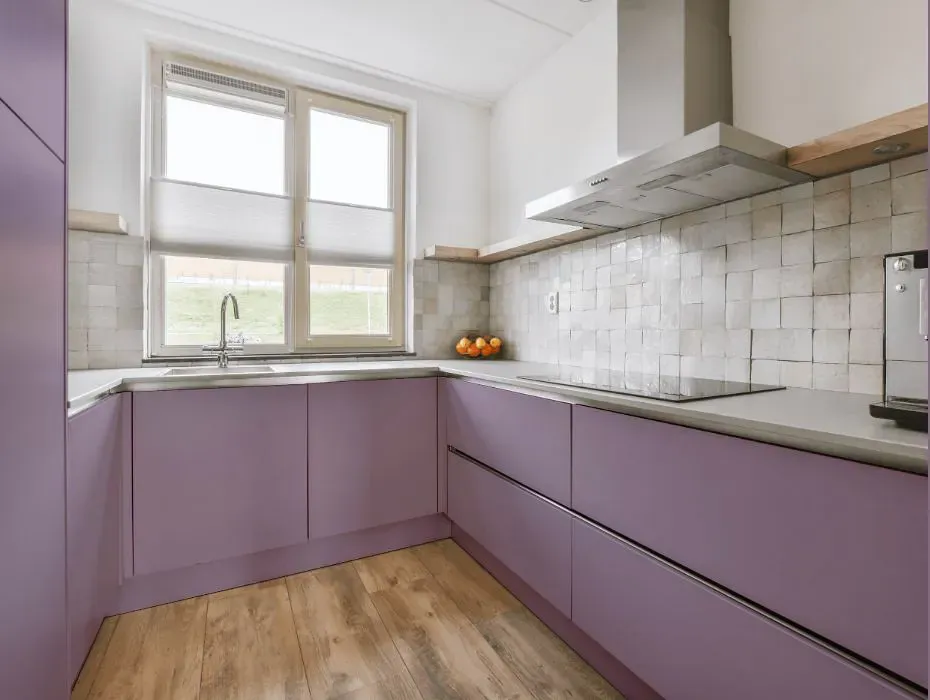
Plan Home visualization
Plan Home visualization
Plan Home visualization
Plan Home visualization
Plan Home visualization
Plan Home visualization
Plan Home visualization
Plan Home visualization
Plan Home visualization
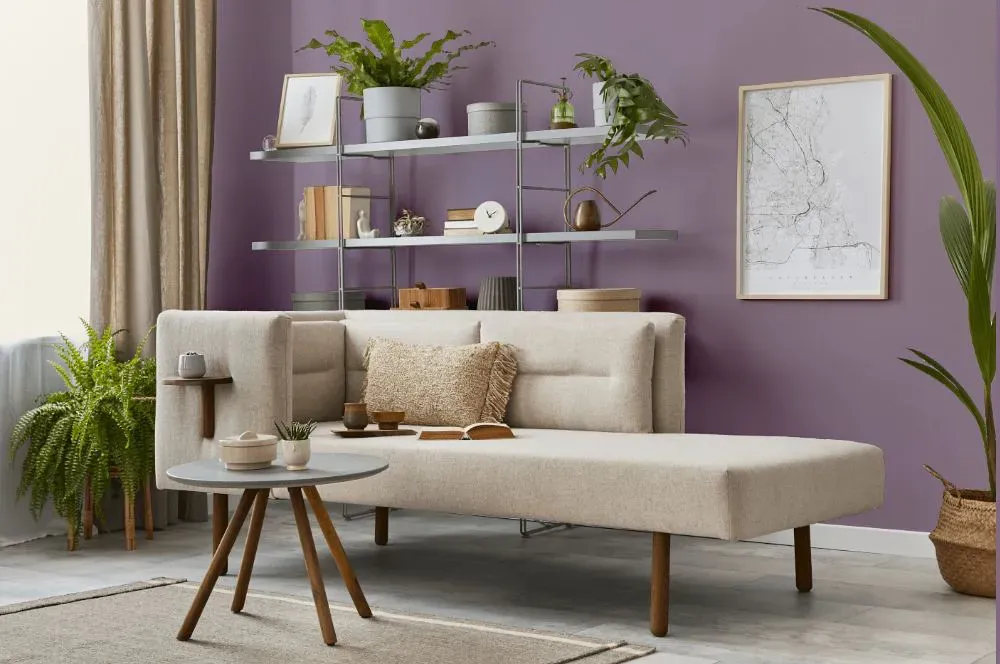
Plan Home visualization
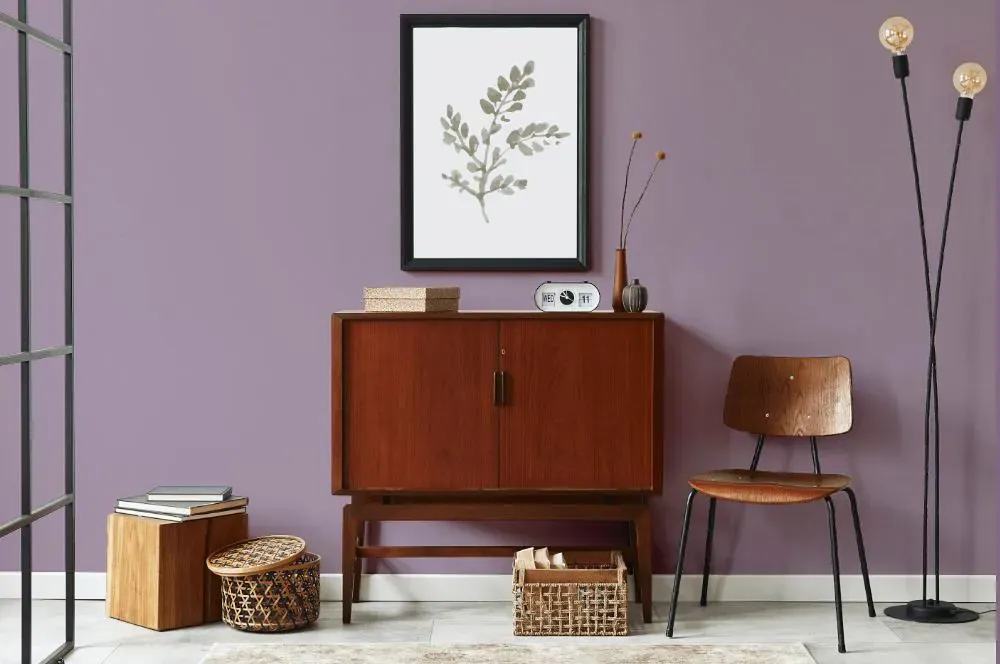
Plan Home visualization
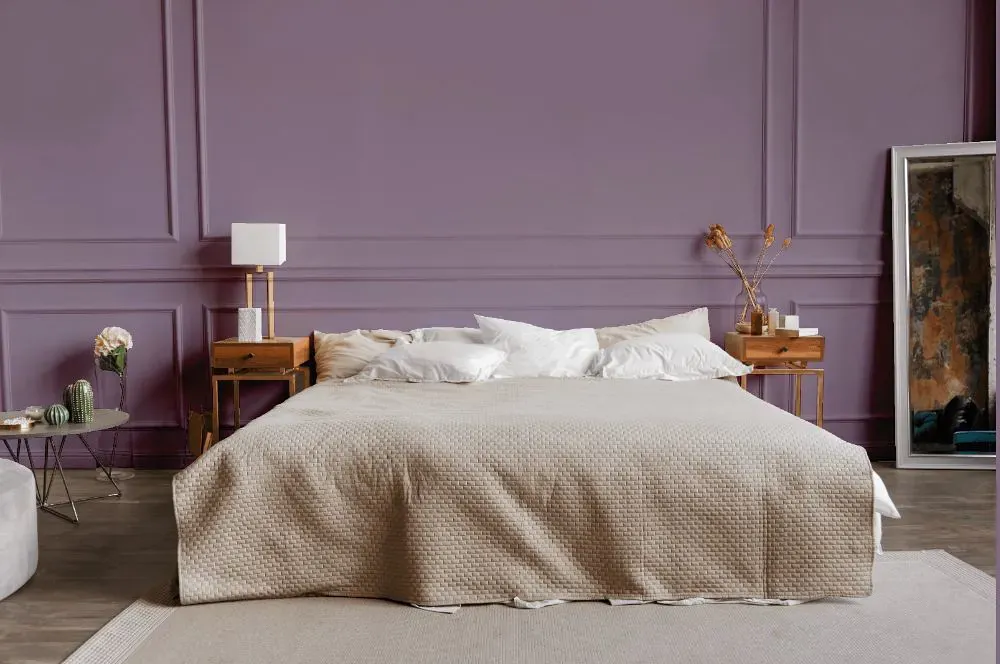
Plan Home visualization
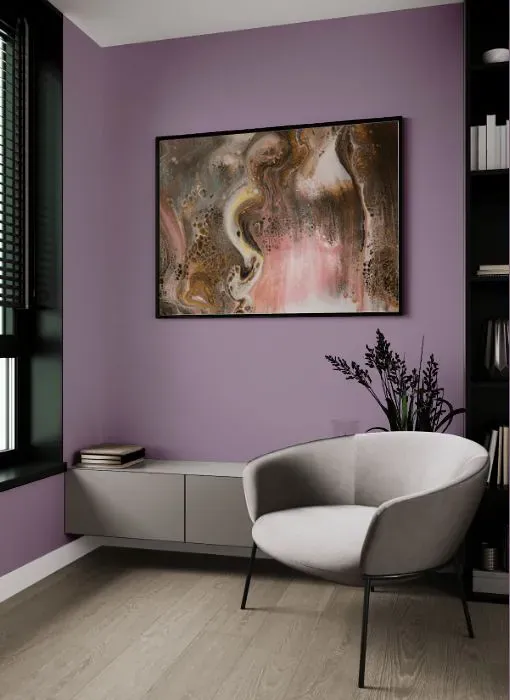
Plan Home visualization
Try before you buy

100% accurate
reusable paint samples
Peel, stick,
and repeat
Twice painted
with real paint

Next day
delivery
What are RAL Effect RAL 560-M undertones?
RAL 560-M is a mid-light, muted dusty rose. The HEX sample leans pink; this describes its measurable digital hue direction, not a hidden paint pigment. Warm light may make it look rosier, while cool daylight can make it feel more muted and gray.
HEX value:
RGB code:
165, 146, 164
Is RAL Effect RAL 560-M cool or warm?
warm
cool
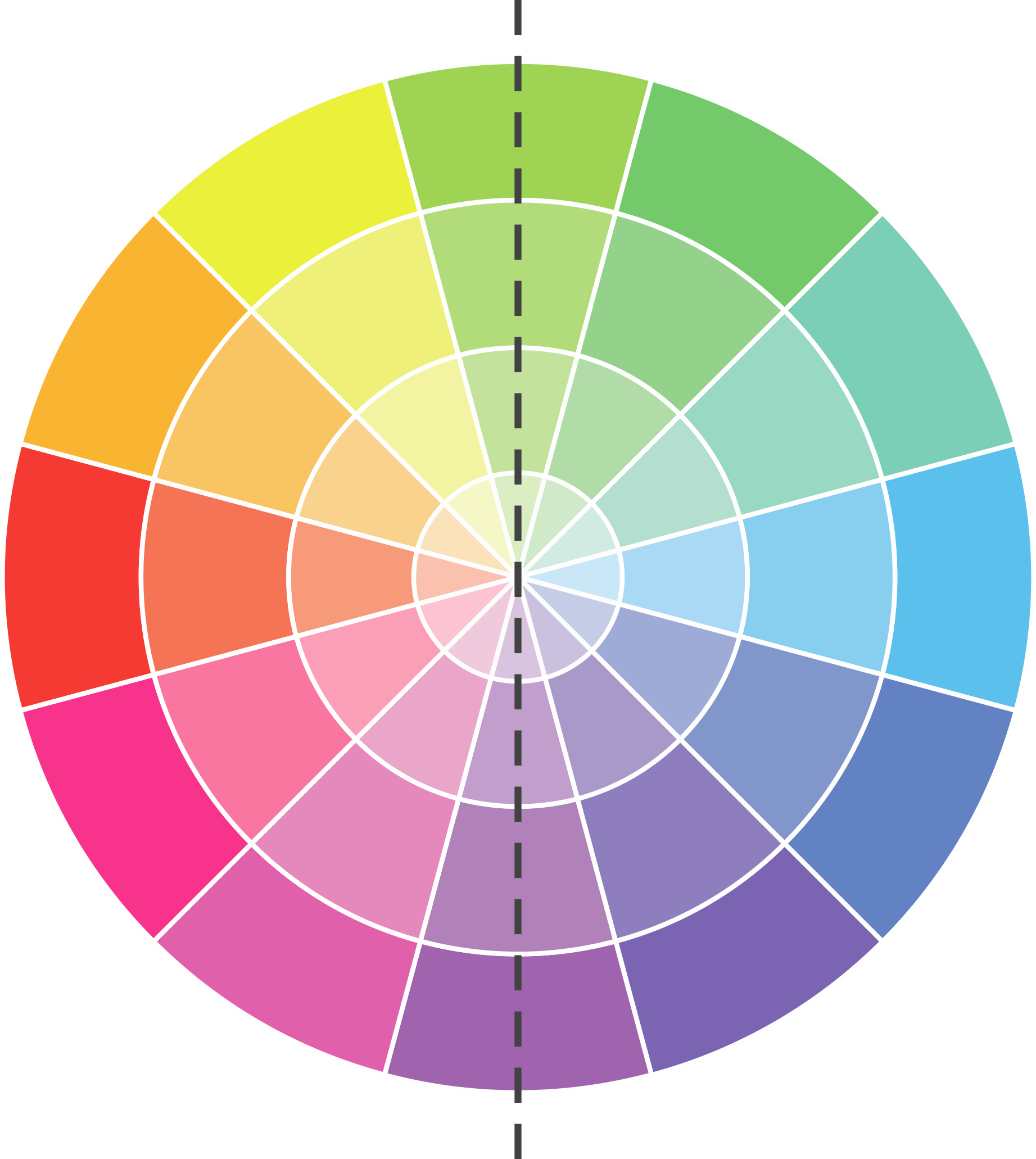
With a hue of 303°, this Purple leans warm, but it is close to neutral and can read cooler in some light.
RAL 560-M HSL code: 303, 10%, 61%
Hue - degree on a color wheel from 0 to 360. 0 is red, 120 is green, and 240 is blue.
Saturation is expressed as a percentage. At 0%, it appears as a shade of grey, and at 100%, it is in full color.
Lightness is also a percentage value. 0% is black, and 100% is white.
How light temperature affects RAL 560-M
Natural Lighting. During the day, natural light shifts from about 2000 K at sunrise/sunset to 5500–6500 K at noon.
In addition, natural-light temperature depends on its direction:
| Direction of sunlight | Visible temp. | Hue | Duration |
|---|---|---|---|
| North | Cool | Bluish | All day |
| East | Warm | Yellow | Before noon |
| West | Warm | Orange-red | After noon |
| South | Warm | Orange-yellow | All day |
Artificial Lighting. When choosing bulbs, pay attention to their color temperature in Kelvins.
Use the slider to see how this Purple shade looks under different lighting:
LRV of RAL 560-M
RAL 560-M has an LRV of 32.36% and refers to Medium colors that reflect a lot of light. Why LRV is important?
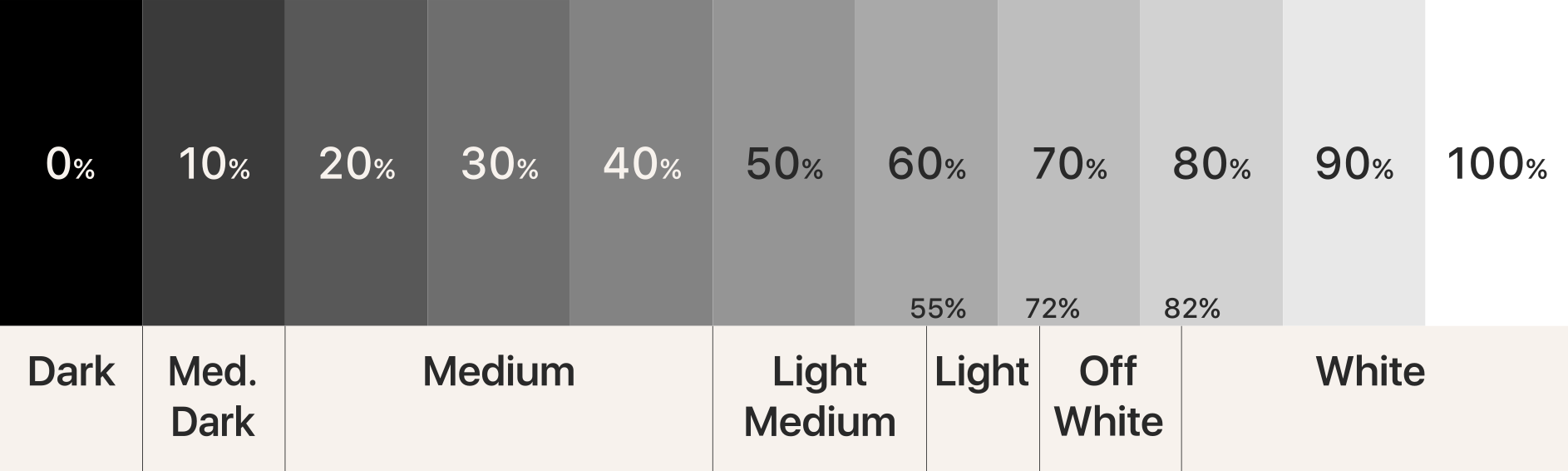
Light Reflectance Value measures the amount of visible and usable light that reflects from a painted surface.
Simply put, the higher the LRV of a paint color, the brighter the room you will get.
The scale goes from 0% (absolute black, absorbing all light) to 100% (pure white, reflecting all light).
Act like a pro: When choosing paint with an LRV of 32.36%, pay attention to your bulbs' brightness. Light brightness is measured in lumens. The lower the paint's LRV, the higher lumen level you need. Every square foot of room needs at least 40 lumens. That means for a 200 ft2 living room you'll need about 8000 lumens of light – e.g., eight 1000 lm bulbs.
Color codes
We have collected almost every possible color code you could ever need.
Not sure what the difference between HEX and RGB is? We break down color models in plain language. Understanding color models
| Format | Code |
|---|---|
| HEX | #A592A4 |
| RGB Decimal | 165, 146, 164 |
| RGB Percent | 64.71%, 57.25%, 64.31% |
| HSV | Hue: 303° Saturation: 11.52% Value: 64.71% |
| HSL | hsl(303, 10, 61) |
| CMYK | Cyan: 0.0 Magenta: 11.52 Yellow: 0.61 Key: 35.29 |
| YIQ | Y: 153.733 I: 5.538 Q: 9.621 |
| XYZ | X: 32.495 Y: 31.238 Z: 39.43 |
| CIE Lab | L:62.708 a:10.363 b:-6.852 |
| CIE Luv | L:62.708 u:9.805 v:-11.746 |
| Decimal | 10850980 |
| Hunter Lab | 55.891, 5.972, -2.704 |

Color equivalents
SW 0074
Radiant Lilac
Sherwin Williams

1383
Iris Bliss
Benjamin Moore
SW 9075
Berry Cream
Sherwin Williams
M502
Tikkurila

2116-40
Hazy Lilac
Benjamin Moore

SW 6837
Baroness
Sherwin Williams
RAL 550-3
RAL Effect

AF-595
Inspired
Benjamin Moore
RAL 560-2
RAL Effect
X425
Blueberry milk
Tikkurila

1384
Carolina Plum
Benjamin Moore
2073-40
Purple Hyacinth
Benjamin Moore
SW 6974
Plum Blossom
Sherwin Williams
1391
Naples Sunset
Benjamin Moore
RAL 4009
Pastel violet
RAL Classic


SW 9153
Moonlit Orchid
Sherwin Williams

AF-600
Amorous
Benjamin Moore
1377
Caribbean Sunset
Benjamin Moore
SW 6269
Beguiling Mauve
Sherwin Williams

SW 6556
Obi Lilac
Sherwin Williams