

Tikkurila Sepal L447
Contentsshow +hide -
| Code: | L447 |
| Name: | Sepal |
| Brand: | Tikkurila |
What color is Tikkurila Sepal?
Add a touch of sophistication to your space with Tikkurila's L447 Sepal. This muted gray-green hue exudes a calming and organic vibe, perfect for creating a serene atmosphere in any room. Pair L447 Sepal with warm neutrals like sandy beige or muted browns for a harmonious and inviting look. For a pop of contrast, consider adding accents of deep navy blue or mustard yellow to complement the understated elegance of L447 Sepal. Infuse your space with understated charm and timeless style with this versatile color.
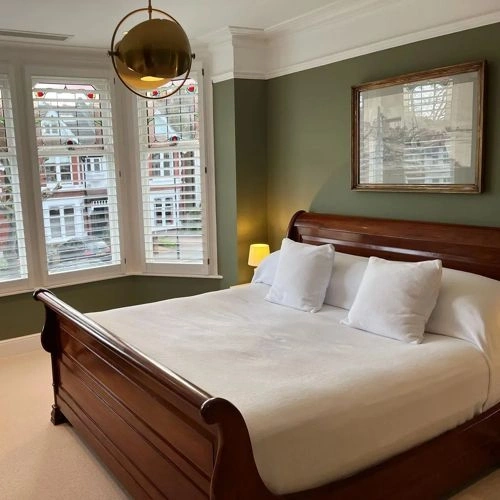
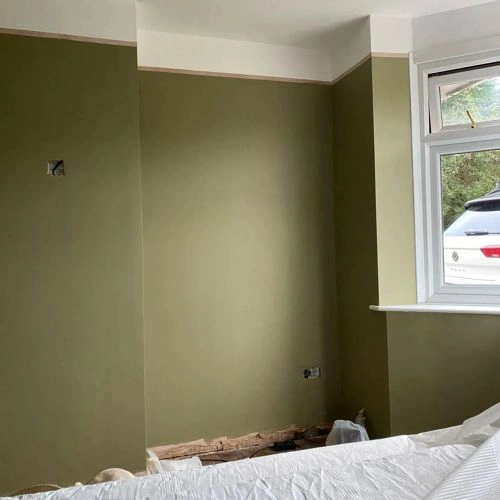
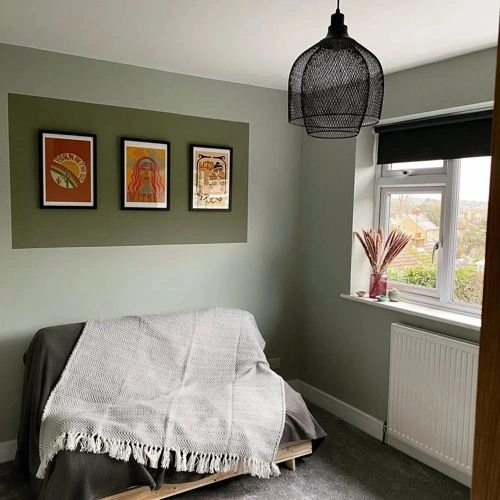
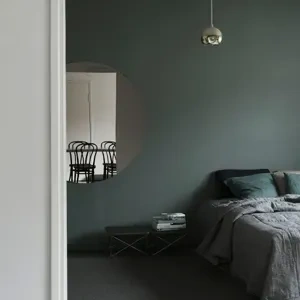
Tikkurila Sepal reviews (7 photos)
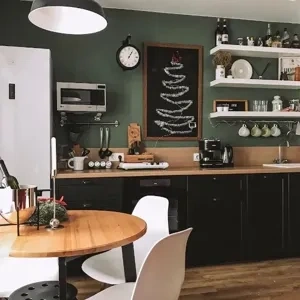
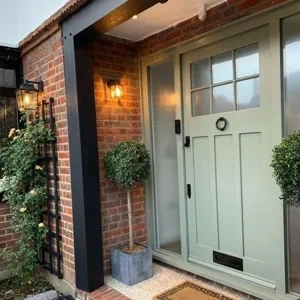
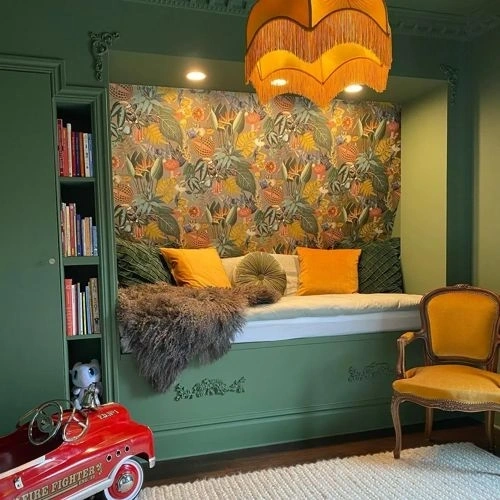
View the photos of real spaces painted with this green that were not included in specific categories. Close-ups, painted furniture, storages and dressers, hallways, stairs and ceilings.
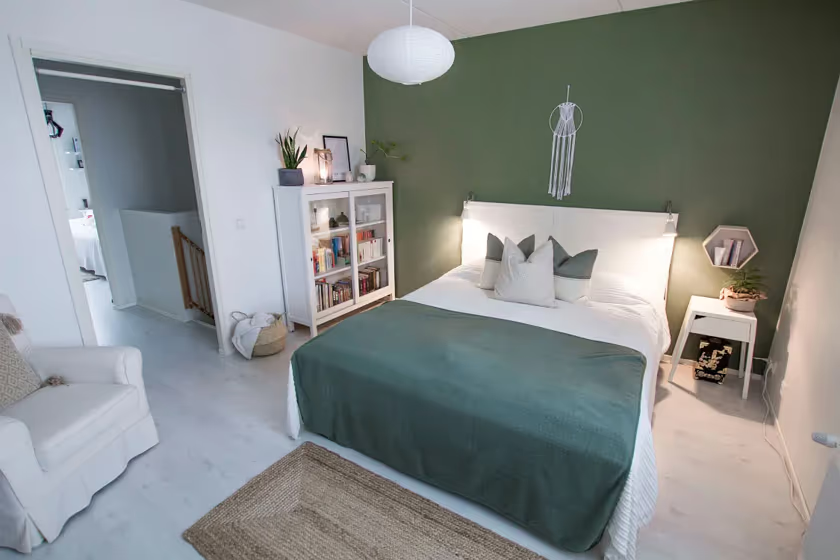
Blog checklistbyblond
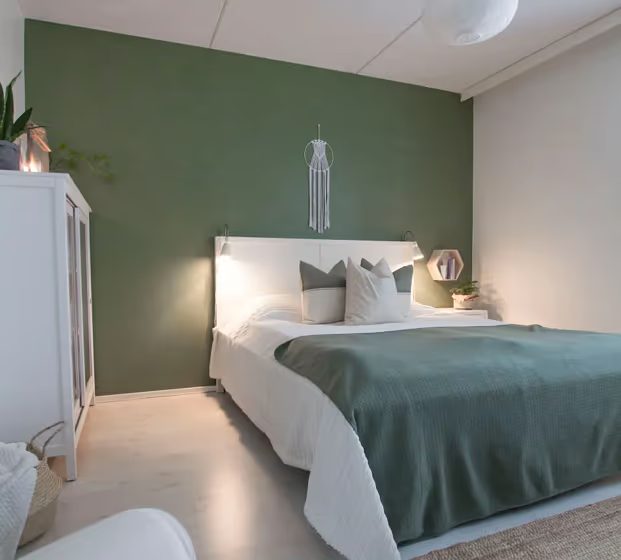
Blog checklistbyblond
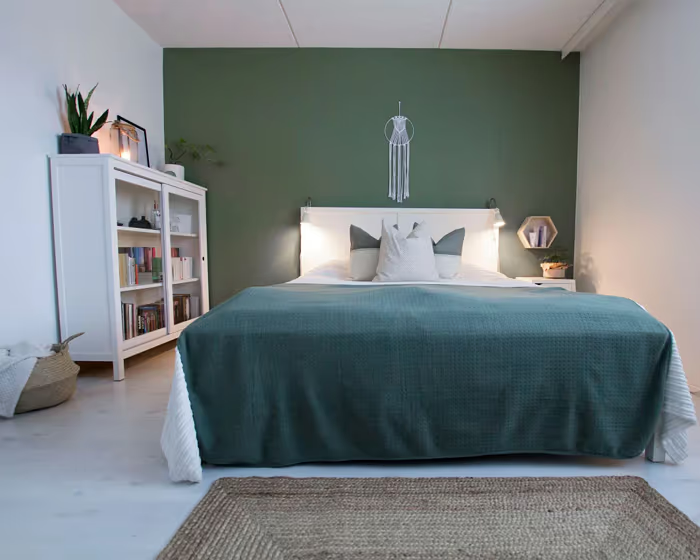
Blog checklistbyblond
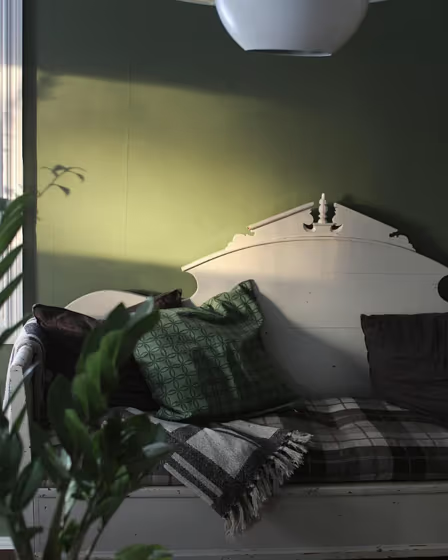
@sofiamaries
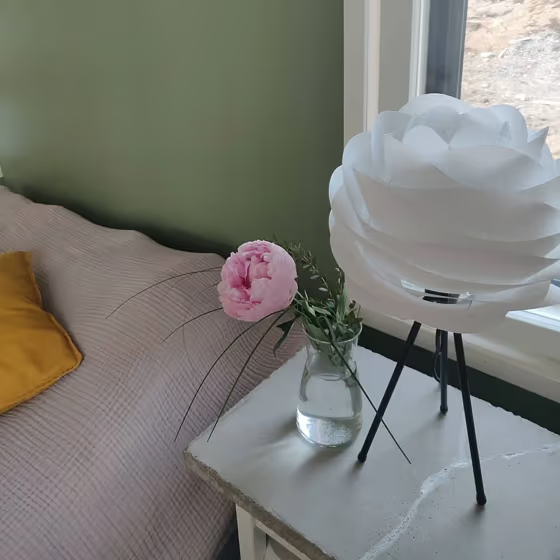
@kotimertarantaan
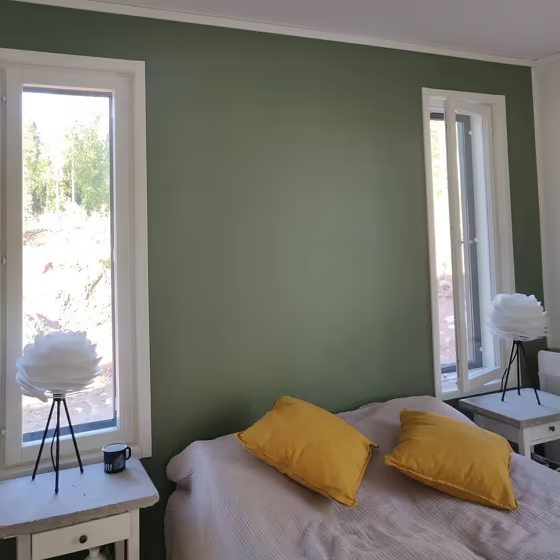
@kotimertarantaan
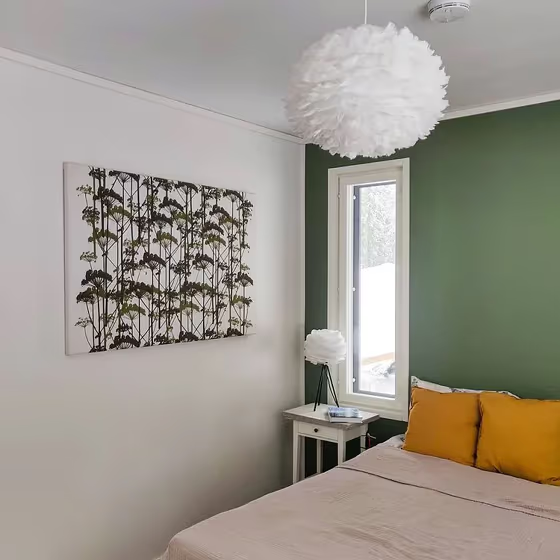
@kotimertarantaan
Try before you buy

100% accurate
reusable paint samples

Peel, stick,
and repeat

Twice painted
with real paint

Next day
delivery
What are Tikkurila Sepal undertones?
Sepal is a midtone, muted mustard. The HEX sample leans yellow; this describes its measurable digital hue direction, not a hidden paint pigment. Warm bulbs can make it look creamier or more golden, while cool daylight may mute that warmth and pull it closer to beige or greige.
HEX value:
RGB code:
130, 133, 108
Is Tikkurila Sepal cool or warm?
warm
cool
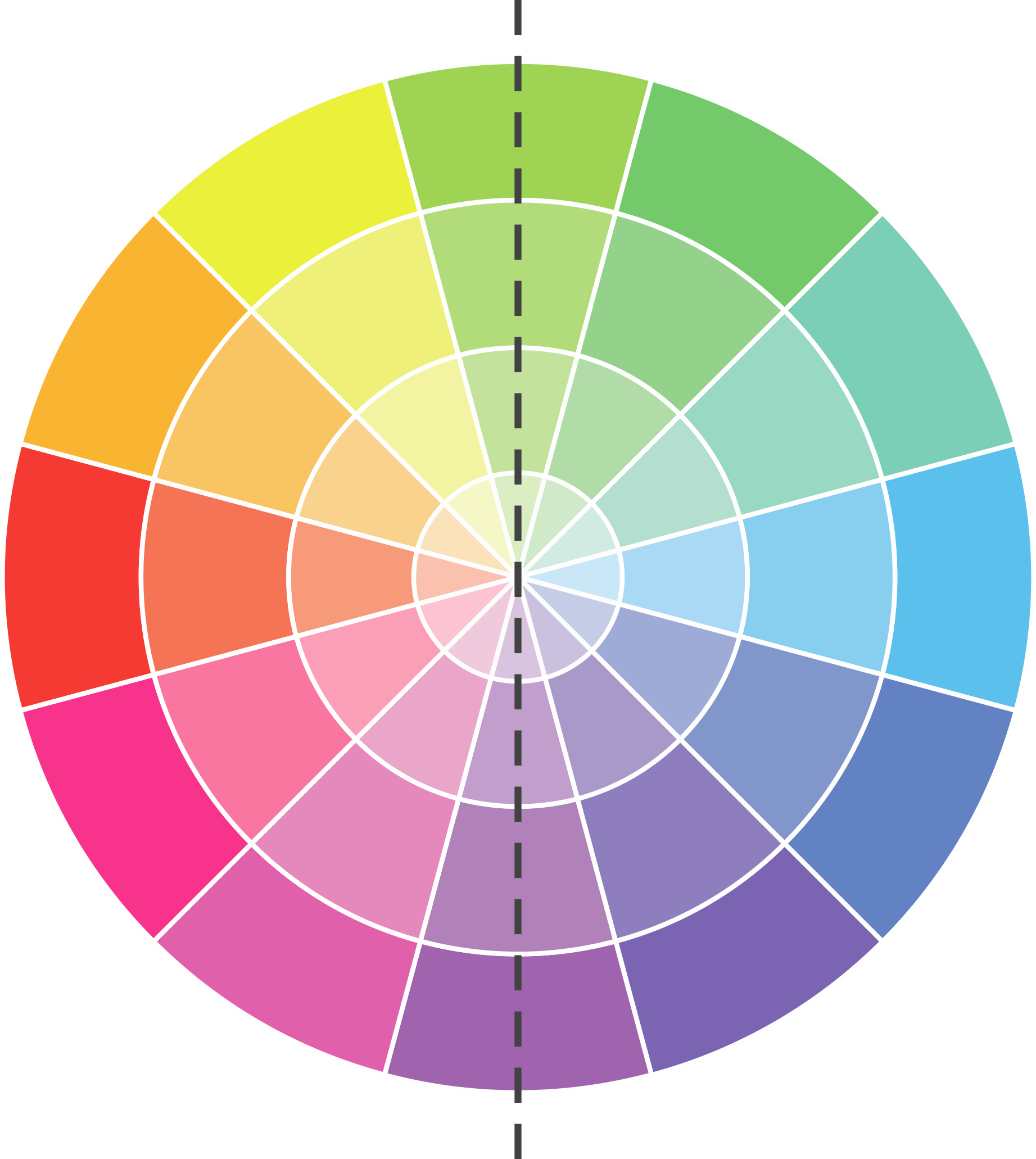
With a hue of 67°, this dark green leans warm, but it is close to neutral and can read cooler in some light.
L447 Sepal HSL code: 67, 10%, 47%
Hue - degree on a color wheel from 0 to 360. 0 is red, 120 is green, and 240 is blue.
Saturation is expressed as a percentage. At 0%, it appears as a shade of grey, and at 100%, it is in full color.
Lightness is also a percentage value. 0% is black, and 100% is white.
How light temperature affects Sepal
Natural Lighting. During the day, natural light shifts from about 2000 K at sunrise/sunset to 5500–6500 K at noon.
In addition, natural-light temperature depends on its direction:
| Direction of sunlight | Visible temp. | Hue | Duration |
|---|---|---|---|
| North | Cool | Bluish | All day |
| East | Warm | Yellow | Before noon |
| West | Warm | Orange-red | After noon |
| South | Warm | Orange-yellow | All day |
Artificial Lighting. When choosing bulbs, pay attention to their color temperature in Kelvins.
Use the slider to see how this dark green shade looks under different lighting:
Coordinating colors.
Colors that go with Tikkurila Sepal:
Monochromatic color scheme
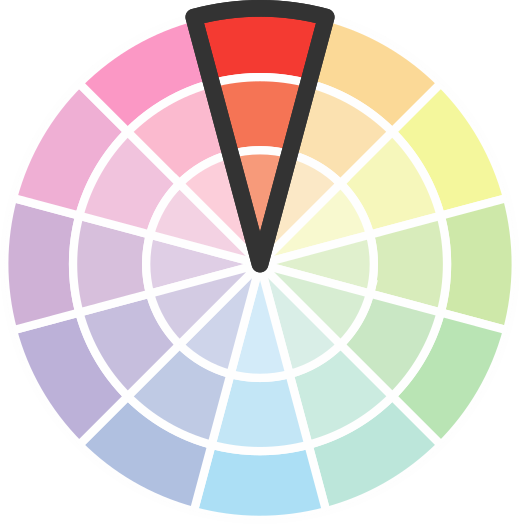
This scheme consists of various shades, tints, and tones of a single color. While it offers a perfect combination of hues, without accent décor it may become monotonous.
Lighter shades
L447
Sepal

Darker shades
L447
Sepal






LRV of Sepal
Sepal has an LRV of 22.23% and refers to Medium colors that reflect a lot of light. Why LRV is important?
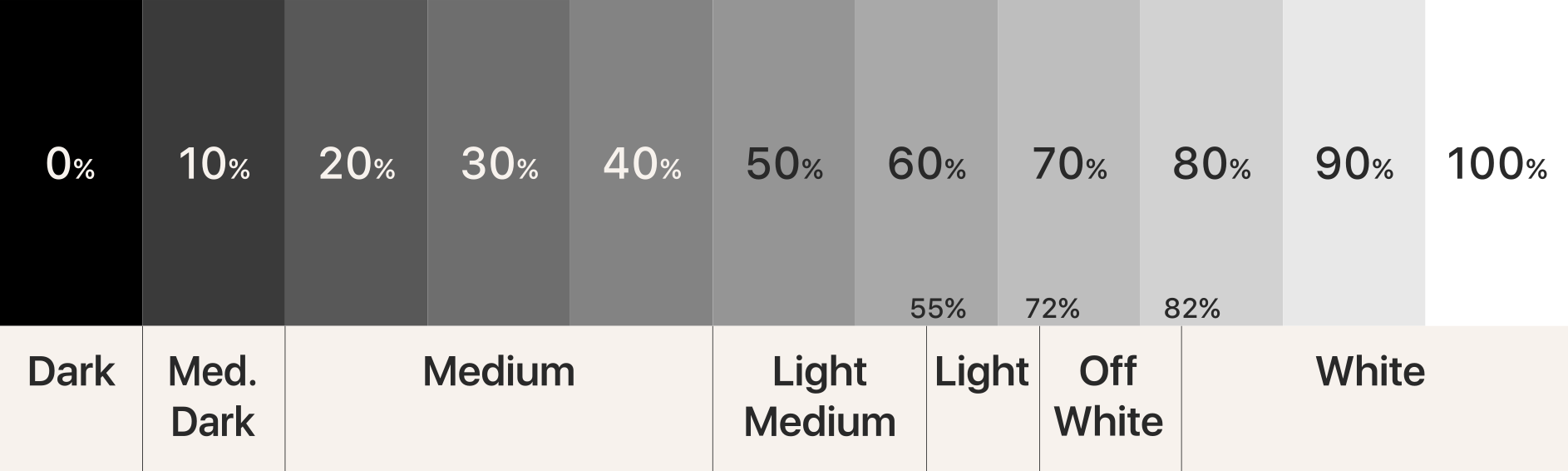
Light Reflectance Value measures the amount of visible and usable light that reflects from a painted surface.
Simply put, the higher the LRV of a paint color, the brighter the room you will get.
The scale goes from 0% (absolute black, absorbing all light) to 100% (pure white, reflecting all light).
Act like a pro: When choosing paint with an LRV of 22.23%, pay attention to your bulbs' brightness. Light brightness is measured in lumens. The lower the paint's LRV, the higher lumen level you need. Every square foot of room needs at least 40 lumens. That means for a 200 ft2 living room you'll need about 8000 lumens of light – e.g., eight 1000 lm bulbs.
Color codes
We have collected almost every possible color code you could ever need.
Not sure what the difference between HEX and RGB is? We break down color models in plain language. Understanding color models
| Format | Code |
|---|---|
| HEX | #82856C |
| RGB Decimal | 130, 133, 108 |
| RGB Percent | 50.98%, 52.16%, 42.35% |
| HSV | Hue: 67° Saturation: 18.8% Value: 52.16% |
| HSL | hsl(67, 10, 47) |
| CMYK | Cyan: 2.26 Magenta: 0.0 Yellow: 18.8 Key: 47.84 |
| YIQ | Y: 129.253 I: 6.246 Q: -8.415 |
| XYZ | X: 20.3 Y: 22.604 Z: 17.477 |
| CIE Lab | L:54.662 a:-5.703 b:13.139 |
| CIE Luv | L:54.662 u:-0.464 v:18.256 |
| Decimal | 8553836 |
| Hunter Lab | 47.543, -6.986, 11.486 |
Color equivalents
S448
Tikkurila

292
Treron
Farrow and Ball

8469
Green Leaf
Jotun

RAL 7033
Cement grey
RAL Classic
0125
Palm Leaf
Jotun
10GY 29/158
English Mist 2
Dulux

10GY 20/179
English Mist 1
Dulux
S447
Tikkurila

80
Sage Green
Little Greene
90YY 22/220
Celtic Forest 1
Dulux
70YY 26/137
Gooseberry Fool 2
Dulux
34
Calke Green
Farrow and Ball

79
Card Room Green
Farrow and Ball

7629
Antique Green
Jotun

Frosted Sea Glass
Dulux
10GY 30/104
Green Glade
Dulux
K444
Tikkurila
7666
Green Turtle
Jotun
97YY 24/045
Weathered Penny
Dulux
40
Silt
Little Greene
