

Tikkurila Wrought iron Y500
Contentsshow +hide -
| Code: | Y500 |
| Name: | Wrought iron |
| Brand: | Tikkurila |
What color is Tikkurila Wrought iron?
The Tikkurila Y500 WroughtIron is a deep, rich hue that exudes sophistication and warmth. It pairs beautifully with shades like Y487 SoftMetal and Y466 Charcoal for a modern and elegant color scheme. SoftMetal brings a subtle contrast, while Charcoal adds depth and intensity to any space. Together, these complementary colors create a stylish and timeless interior palette that is both versatile and visually striking.
Tikkurila Wrought iron reviews (18 photos)
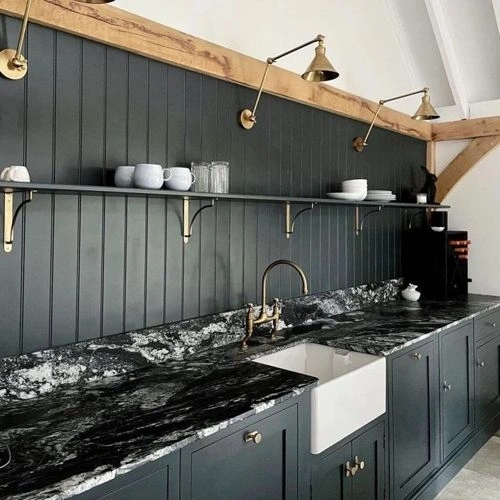
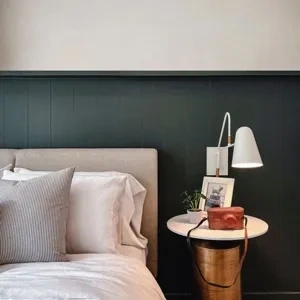
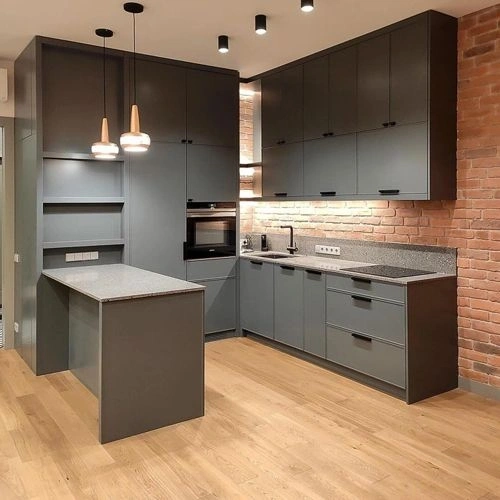
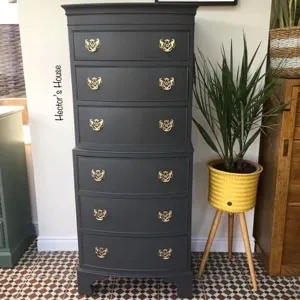
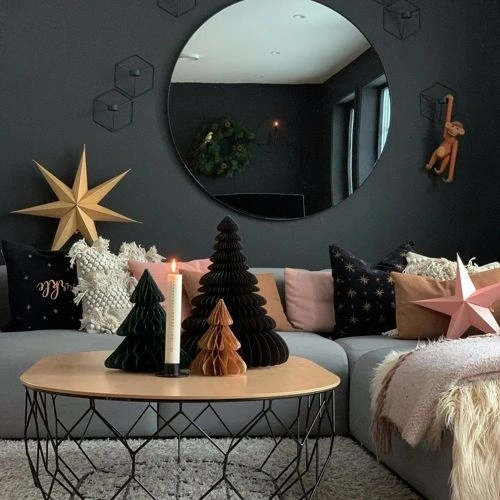
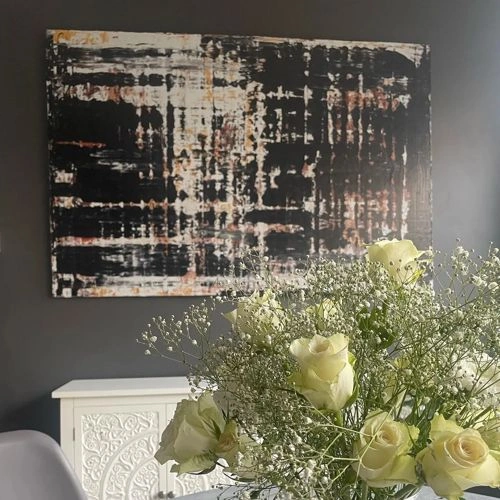
View the photos of real spaces painted with this grey that were not included in specific categories. Close-ups, painted furniture, storages and dressers, hallways, stairs and ceilings.
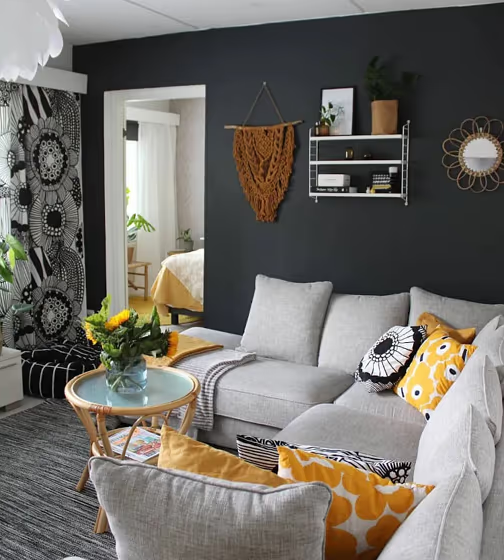
@johannankodissa
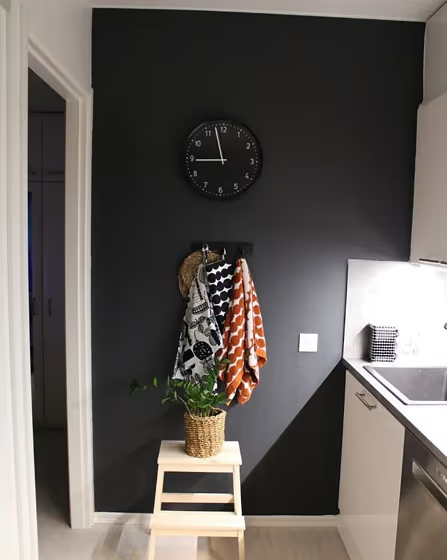
@johannankodissa
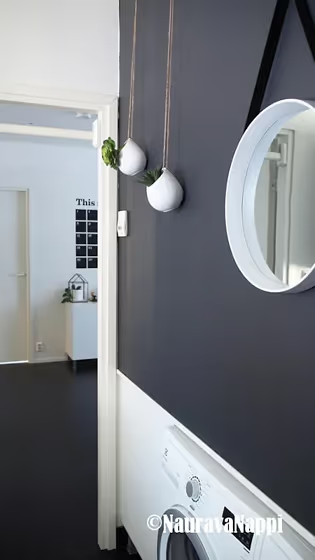
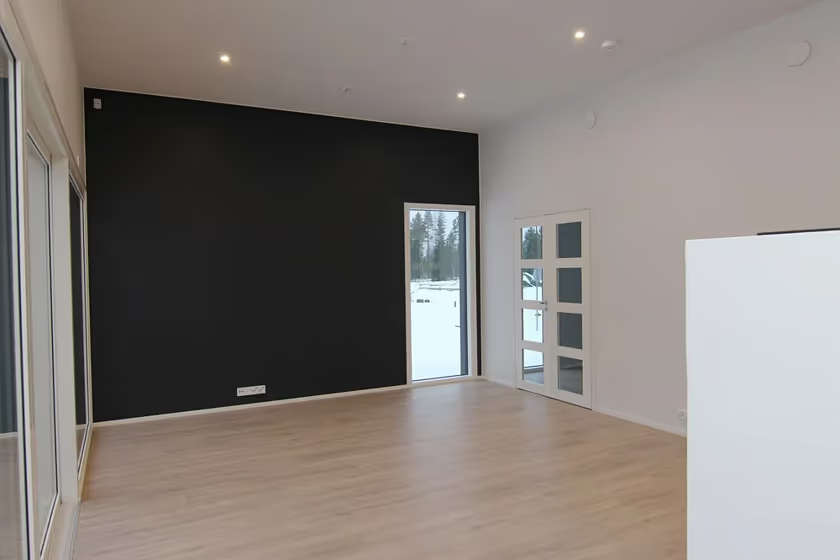
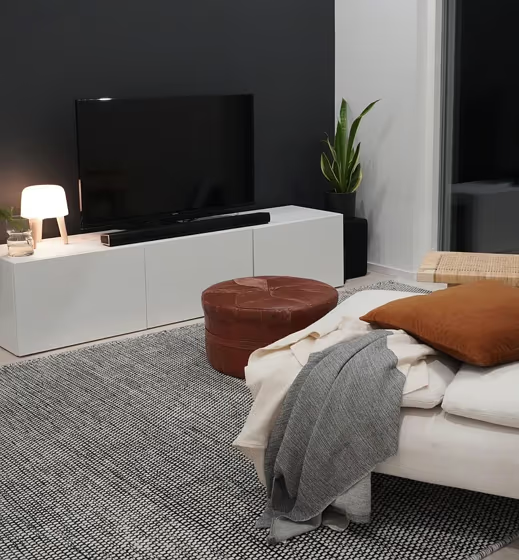
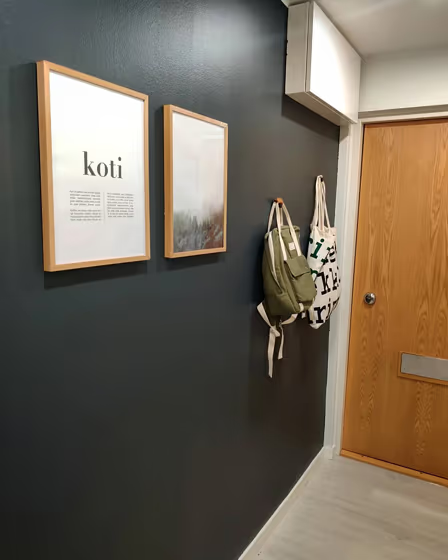
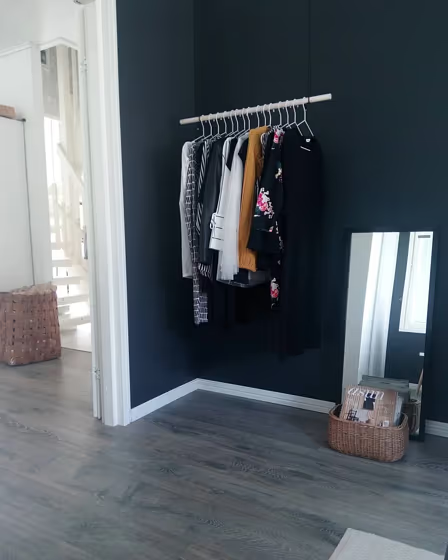
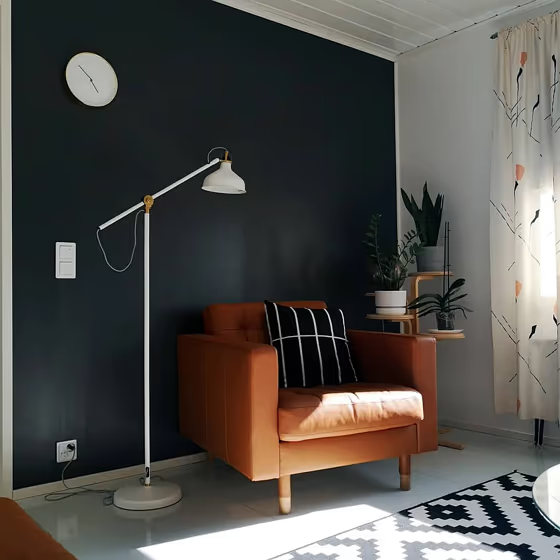
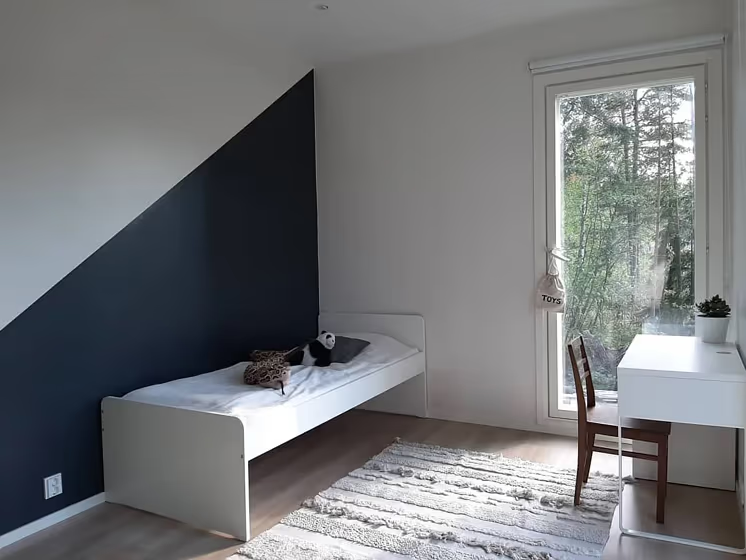
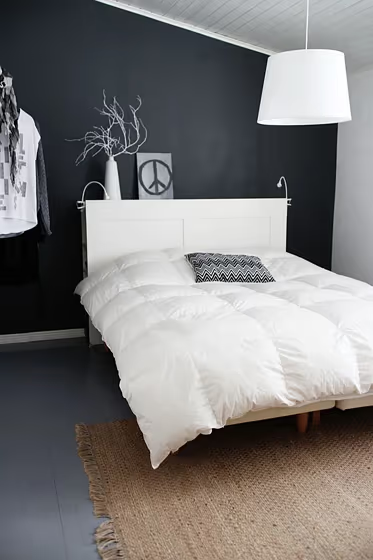
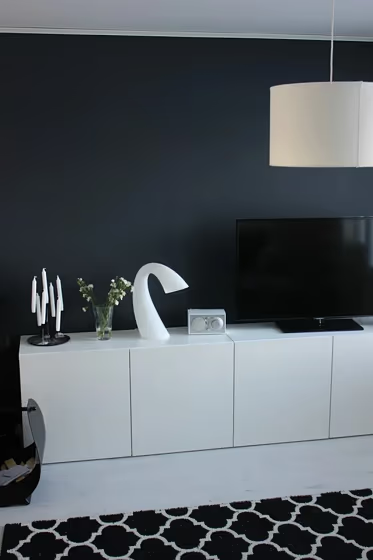
Source is not active
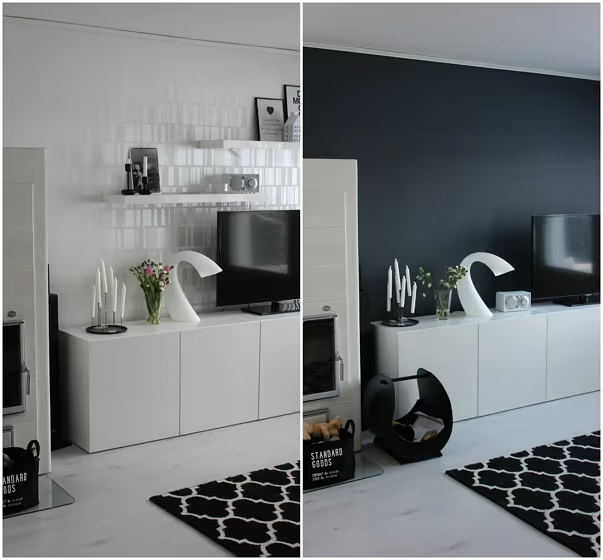
Source is not active
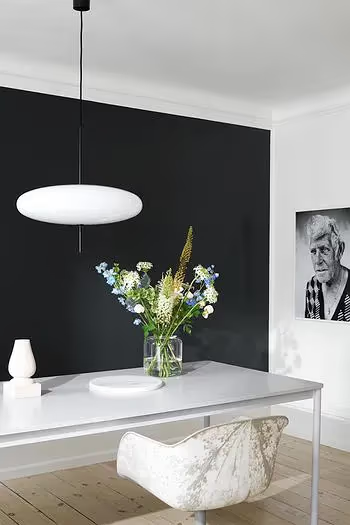
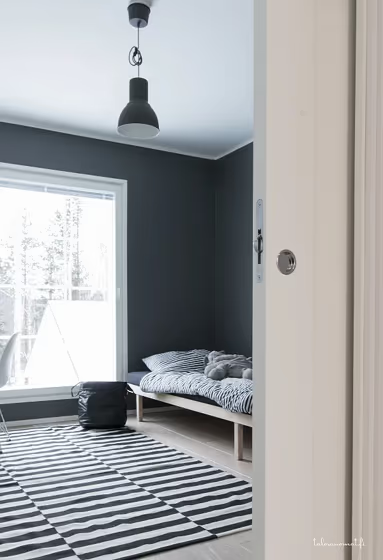
Source is not active
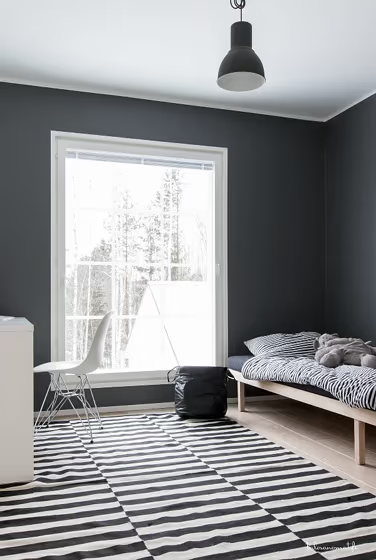
Source is not active
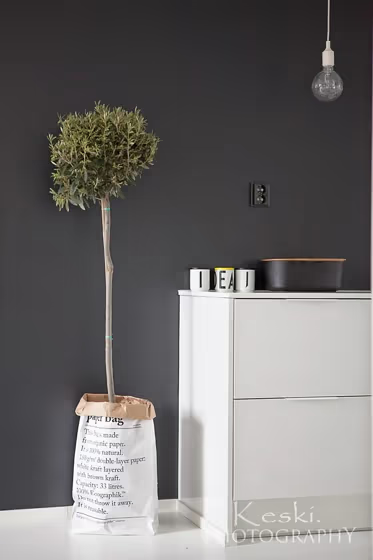
Source is not active
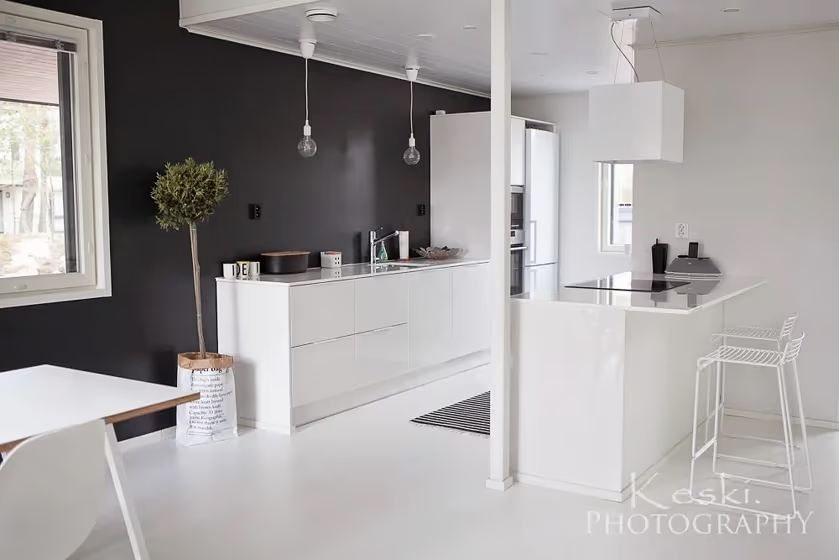
Source is not active
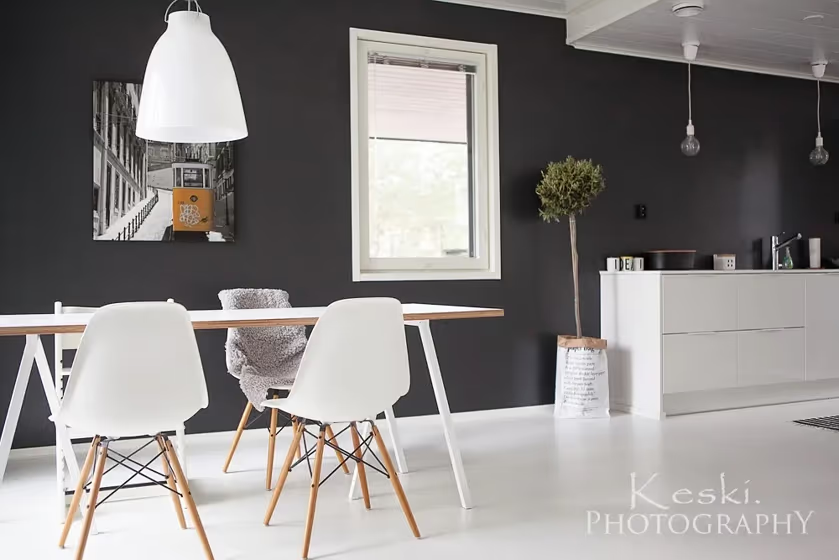
Source is not active
Try before you buy

100% accurate
reusable paint samples

Peel, stick,
and repeat

Twice painted
with real paint

Next day
delivery
What are Tikkurila Wrought iron undertones?
Wrought iron is a deep, near-neutral charcoal gray. Its chroma is so low that assigning a specific hue-based undertone would be misleading. Because it is close to neutral, nearby surfaces and the color of the light can noticeably change how warm or cool it appears.
HEX value:
RGB code:
80, 83, 86
Is Tikkurila Wrought iron cool or warm?
warm
cool
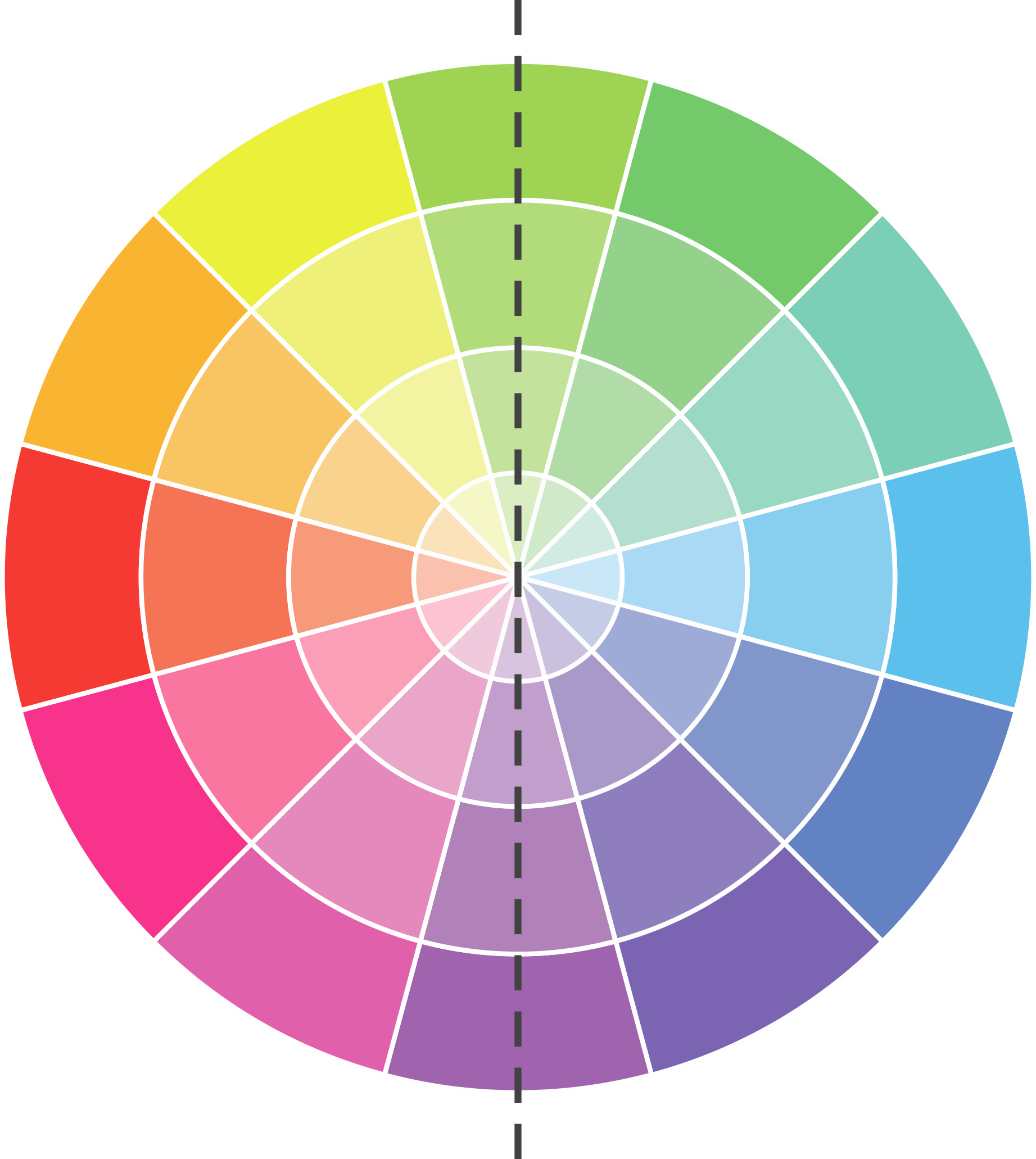
With a hue of 210°, this black leans cool, but it is near the neutral line and may feel warmer in certain lighting.
Y500 Wrought iron HSL code: 210, 4%, 33%
Hue - degree on a color wheel from 0 to 360. 0 is red, 120 is green, and 240 is blue.
Saturation is expressed as a percentage. At 0%, it appears as a shade of grey, and at 100%, it is in full color.
Lightness is also a percentage value. 0% is black, and 100% is white.
How light temperature affects Wrought iron
Natural Lighting. During the day, natural light shifts from about 2000 K at sunrise/sunset to 5500–6500 K at noon.
In addition, natural-light temperature depends on its direction:
| Direction of sunlight | Visible temp. | Hue | Duration |
|---|---|---|---|
| North | Cool | Bluish | All day |
| East | Warm | Yellow | Before noon |
| West | Warm | Orange-red | After noon |
| South | Warm | Orange-yellow | All day |
Artificial Lighting. When choosing bulbs, pay attention to their color temperature in Kelvins.
Use the slider to see how this black shade looks under different lighting:
Coordinating colors.
Colors that go with Tikkurila Wrought iron:
Monochromatic color scheme
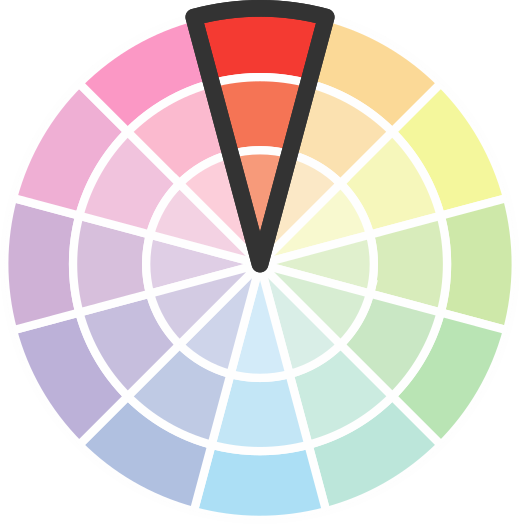
This scheme consists of various shades, tints, and tones of a single color. While it offers a perfect combination of hues, without accent décor it may become monotonous.
Lighter shades
Y500
Wrought iron

Darker shades
Y500
Wrought iron
Complementary color scheme
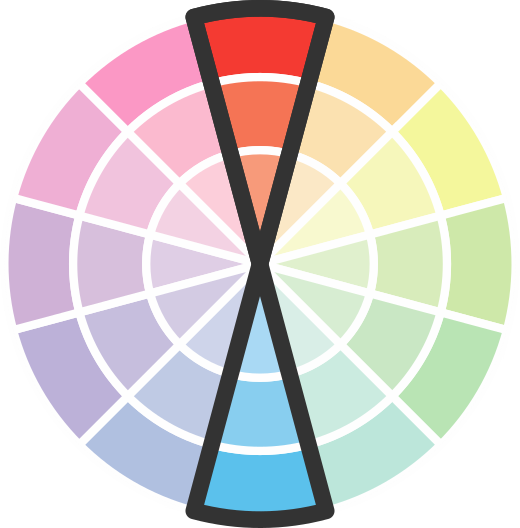
This color scheme is a combination of two shades that are opposite each other on the color wheel. The high contrast between these colors creates a vibrant and dynamic visual effect. For the color Wrought iron with a blue hue, complementary colors are those with a orange hue close to 30, such as Tikkurila Mole.
Y500
Wrought iron

LRV of Wrought iron
Wrought iron has an LRV of 8.79% and refers to Dark colors which means that this color almost does not reflect light. Why LRV is important?
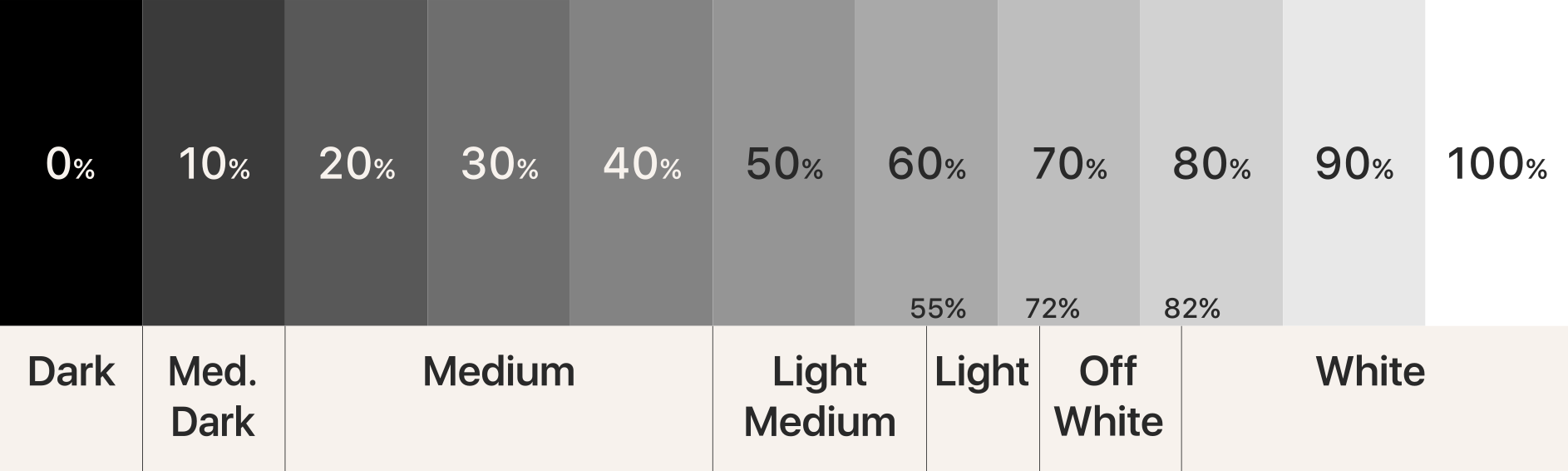
Light Reflectance Value measures the amount of visible and usable light that reflects from a painted surface.
Simply put, the higher the LRV of a paint color, the brighter the room you will get.
The scale goes from 0% (absolute black, absorbing all light) to 100% (pure white, reflecting all light).
Act like a pro: When choosing paint with an LRV of 8.79%, pay attention to your bulbs' brightness. Light brightness is measured in lumens. The lower the paint's LRV, the higher lumen level you need. Every square foot of room needs at least 40 lumens. That means for a 200 ft2 living room you'll need about 8000 lumens of light – e.g., eight 1000 lm bulbs.
Color codes
We have collected almost every possible color code you could ever need.
Not sure what the difference between HEX and RGB is? We break down color models in plain language. Understanding color models
| Format | Code |
|---|---|
| HEX | #505356 |
| RGB Decimal | 80, 83, 86 |
| RGB Percent | 31.37%, 32.55%, 33.73% |
| HSV | Hue: 210° Saturation: 6.98% Value: 33.73% |
| HSL | hsl(210, 4, 33) |
| CMYK | Cyan: 6.98 Magenta: 3.49 Yellow: 0.0 Key: 66.27 |
| YIQ | Y: 82.445 I: -2.752 Q: 0.299 |
| XYZ | X: 8.081 Y: 8.564 Z: 10.029 |
| CIE Lab | L:35.131 a:-0.533 b:-2.166 |
| CIE Luv | L:35.131 u:-1.759 v:-2.637 |
| Decimal | 5264214 |
| Hunter Lab | 29.264, -1.922, 0.166 |
Color equivalents
305
Hopper Head
Farrow and Ball

RAL 7015
Slate grey
RAL Classic

90BG 11/016
Cannon Ball
Dulux

30BB 10/019
Noble Grey
Dulux
CC1
Tar
Farrow and Ball
00NN 13/000
Night Jewels 2
Dulux
42BB 09/032
Basically Black
Dulux

RAL 7011
Iron grey
RAL Classic

RAL 7043
Traffic grey B
RAL Classic
X499
Licorice
Tikkurila

RAL 7024
Graphite grey
RAL Classic

31
Railings
Farrow and Ball

RAL 7012
Basalt grey
RAL Classic
324
Vulcan
Little Greene
9938
Blackened Black
Jotun
227
Scree
Little Greene

20YY 11/017
Raisin Cake
Dulux
81BG 12/055
Winters Sky
Dulux
RAL 5008
Grey Blue
RAL Classic

Javelin
Dulux