

Benjamin Moore America's Heartland 197
Contentsshow +hide -
| Official page: | America's Heartland 197 |
| Code: | 197 |
| Name: | America's Heartland |
| Brand: | Benjamin Moore |
What color is Benjamin Moore America's Heartland?
Benjamin Moore America's Heartland 197 is a light, creamy yellow with a soft, sun-warmed cast. Its #F5E9C2 color value reads as a gentle buttercream rather than a bright primary yellow, with enough beige influence to keep the finish grounded. In north-facing rooms, it may appear quieter and more muted, while direct afternoon light brings forward its golden warmth. This shade suits kitchens, breakfast rooms, and hallways where a pale yellow can add visible warmth without becoming too saturated. Pair it with warm white trim, natural oak, woven fibers, and muted blue or olive accents for contrast.
Try before you buy

100% accurate
reusable paint samples
Peel, stick,
and repeat
Twice painted
with real paint

Next day
delivery
What are Benjamin Moore America's Heartland undertones?
America's Heartland is a near-white, muted pale yellow. The HEX sample leans yellow; this describes its measurable digital hue direction, not a hidden paint pigment. Warm bulbs can make it look creamier or more golden, while cool daylight may mute that warmth and pull it closer to beige or greige.
HEX value:
RGB code:
245, 233, 194
Is Benjamin Moore America's Heartland cool or warm?
warm
cool
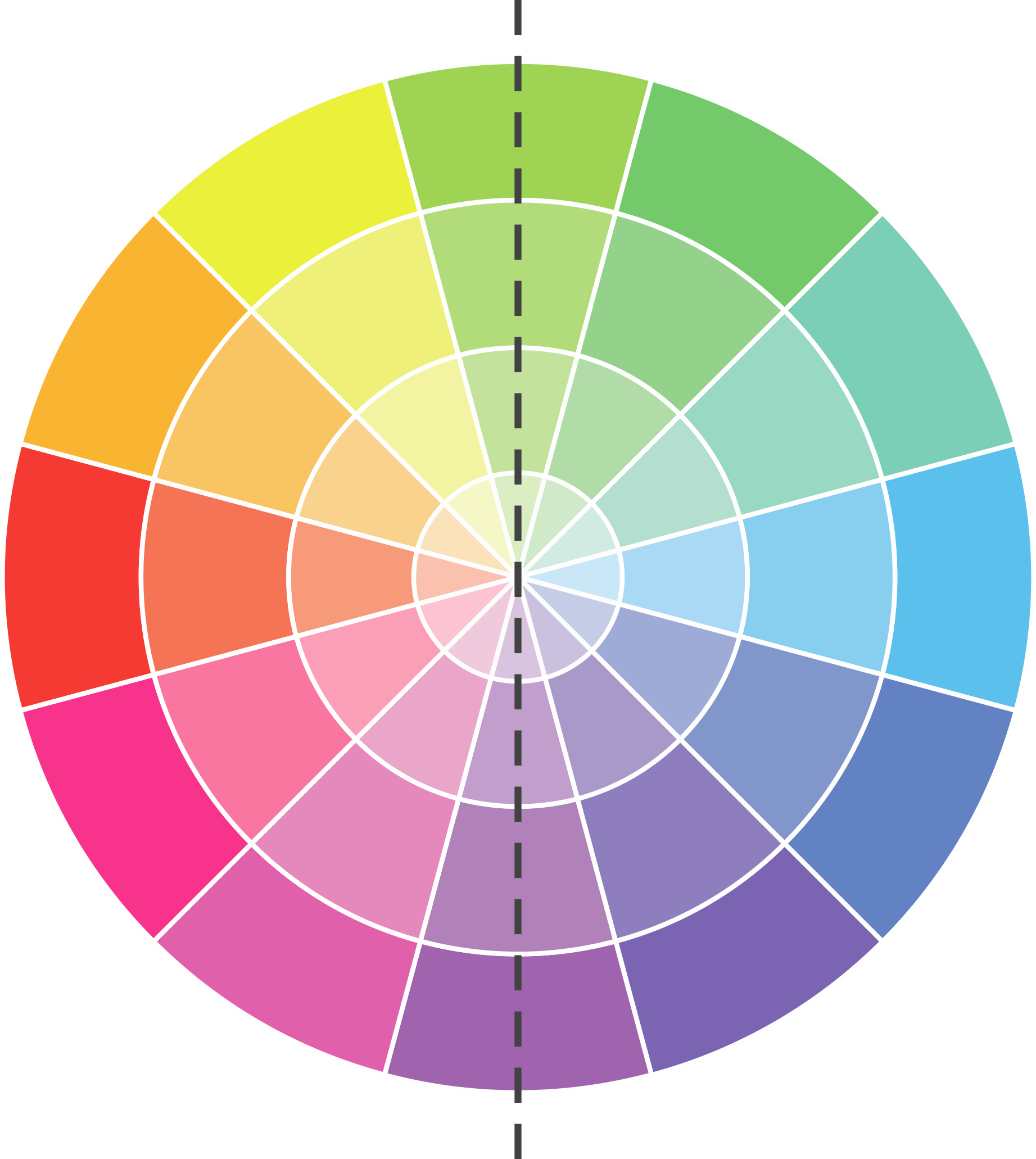
At 46° on the HSL hue wheel, this Yellow sits firmly on the warm side.
197 America's Heartland HSL code: 46, 72%, 86%
Hue - degree on a color wheel from 0 to 360. 0 is red, 120 is green, and 240 is blue.
Saturation is expressed as a percentage. At 0%, it appears as a shade of grey, and at 100%, it is in full color.
Lightness is also a percentage value. 0% is black, and 100% is white.
How light temperature affects America's Heartland
Natural Lighting. During the day, natural light shifts from about 2000 K at sunrise/sunset to 5500–6500 K at noon.
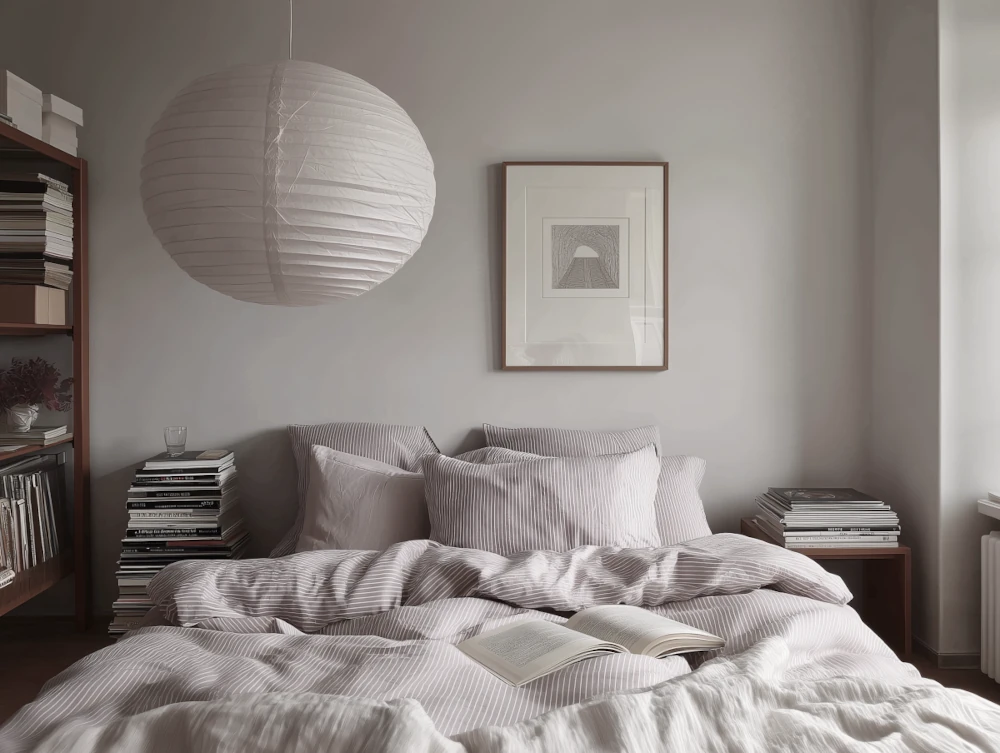
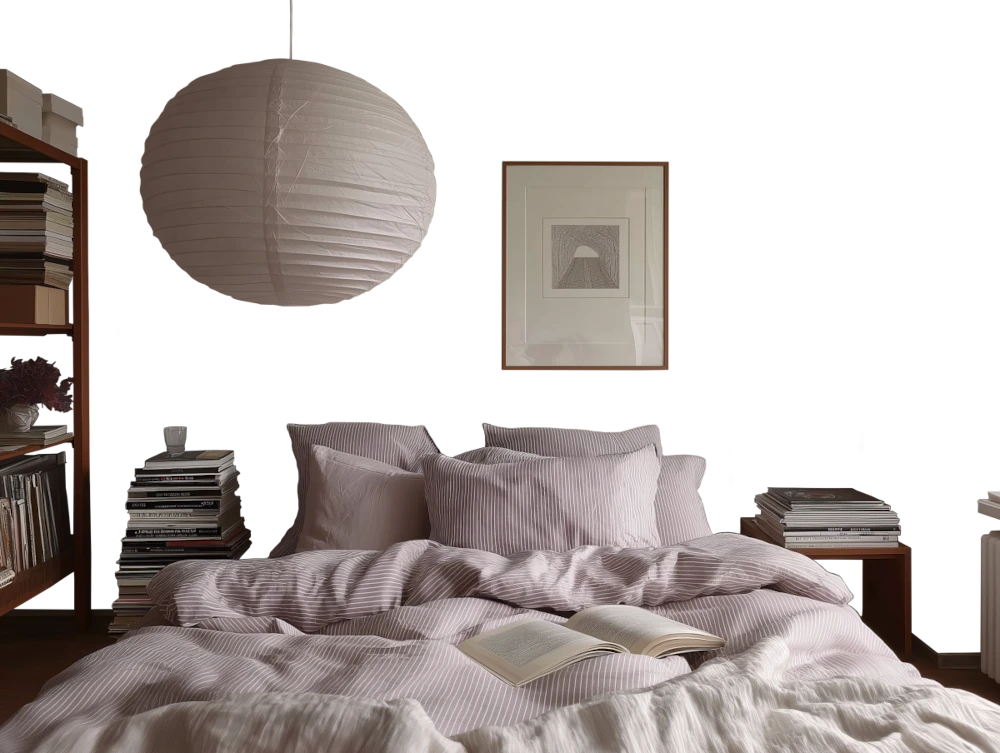
In addition, natural-light temperature depends on its direction:
| Direction of sunlight | Visible temp. | Hue | Duration |
|---|---|---|---|
| North | Cool | Bluish | All day |
| East | Warm | Yellow | Before noon |
| West | Warm | Orange-red | After noon |
| South | Warm | Orange-yellow | All day |
Artificial Lighting. When choosing bulbs, pay attention to their color temperature in Kelvins.
Use the slider to see how this Yellow shade looks under different lighting:
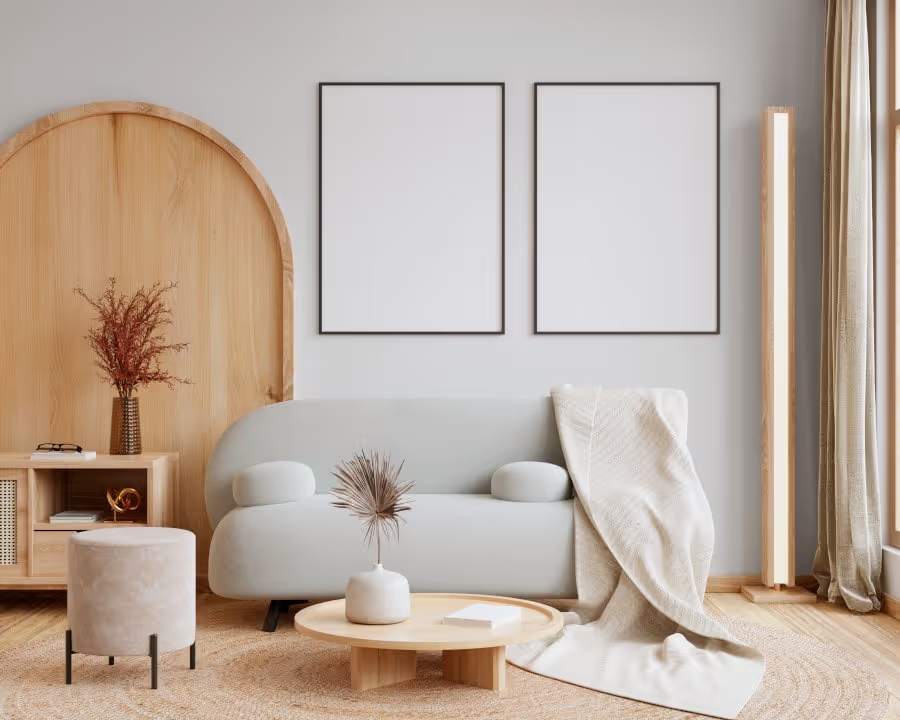
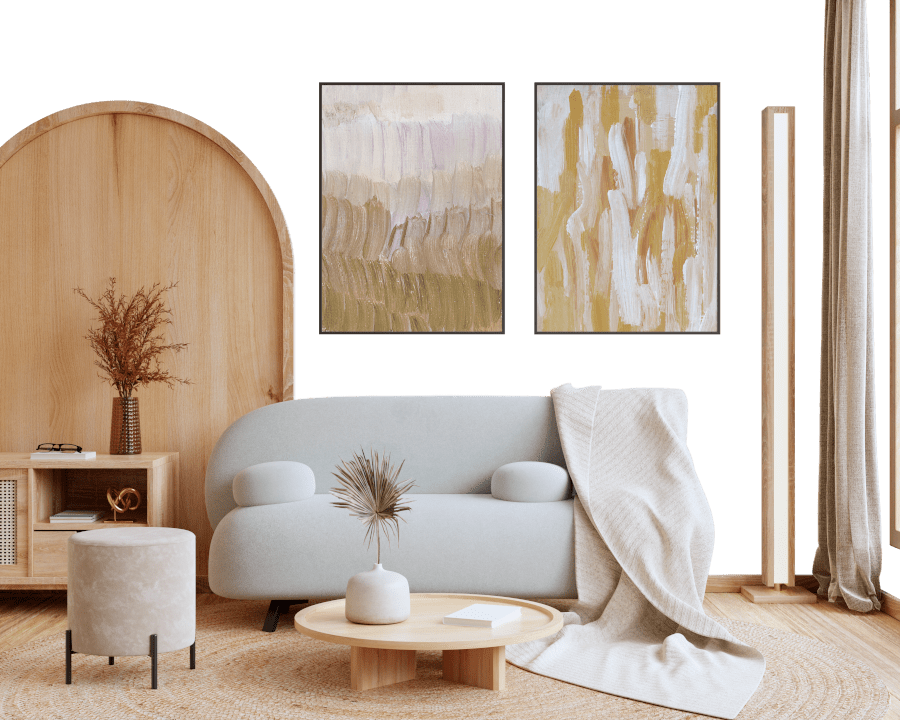
4000K
Coordinating colors.
Colors that go with Benjamin Moore America's Heartland:
Monochromatic color scheme
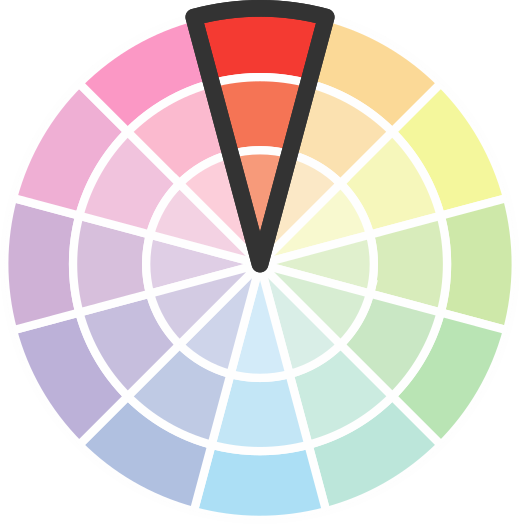
This scheme consists of various shades, tints, and tones of a single color. While it offers a perfect combination of hues, without accent décor it may become monotonous.
Lighter shades
197
America's Heartland

Darker shades
197
America's Heartland
Complementary color scheme
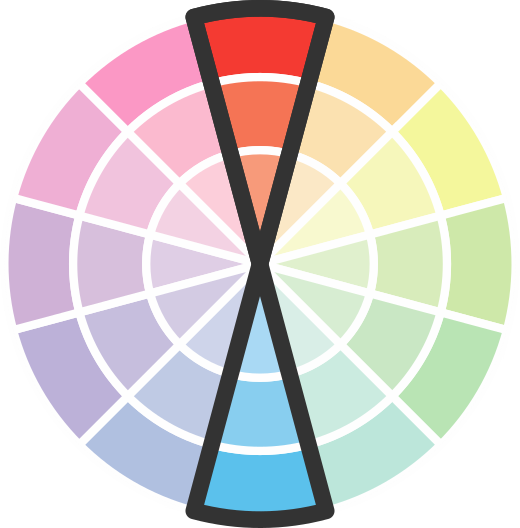
This color scheme is a combination of two shades that are opposite each other on the color wheel. The high contrast between these colors creates a vibrant and dynamic visual effect. For the color America's Heartland with a orange hue, complementary colors are those with a blue hue close to 226, such as Benjamin Moore Nile Blue and English Hyacinth.

LRV of America's Heartland
America's Heartland has an LRV of 77.71% and refers to Off‑White colors that reflect a lot of light. Why LRV is important?
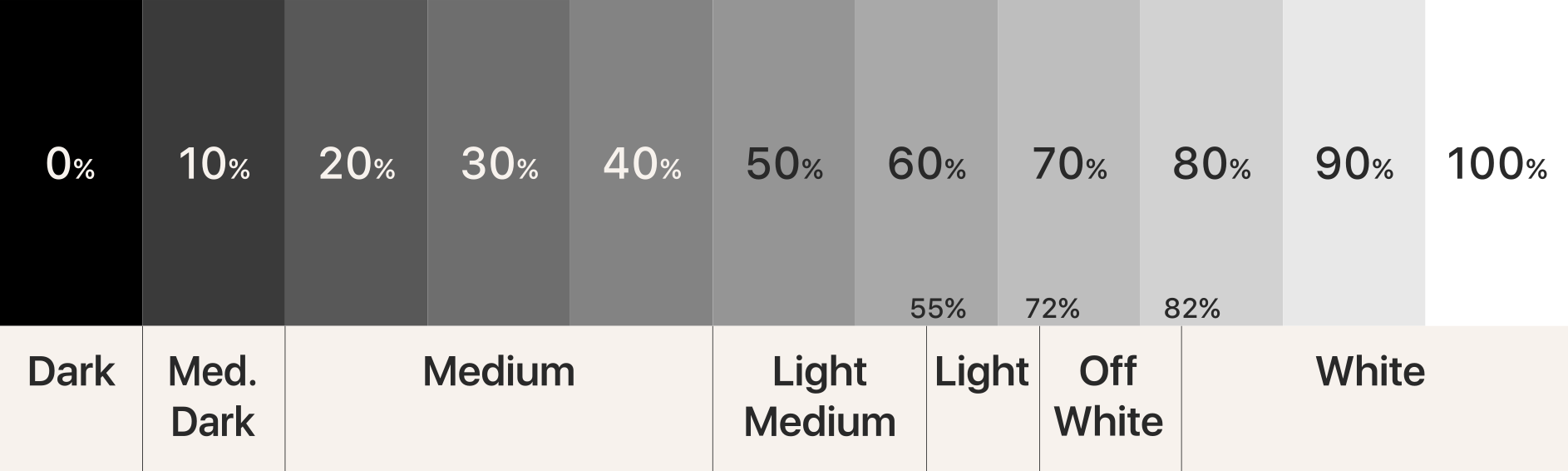
Light Reflectance Value measures the amount of visible and usable light that reflects from a painted surface.
Simply put, the higher the LRV of a paint color, the brighter the room you will get.
The scale goes from 0% (absolute black, absorbing all light) to 100% (pure white, reflecting all light).
Act like a pro: When choosing paint with an LRV of 77.71%, pay attention to your bulbs' brightness. Light brightness is measured in lumens. The lower the paint's LRV, the higher lumen level you need. Every square foot of room needs at least 40 lumens. That means for a 200 ft2 living room you'll need about 8000 lumens of light – e.g., eight 1000 lm bulbs.
Color codes
We have collected almost every possible color code you could ever need.
Not sure what the difference between HEX and RGB is? We break down color models in plain language. Understanding color models
| Format | Code |
|---|---|
| HEX | #F5E9C2 |
| RGB Decimal | 245, 233, 194 |
| RGB Percent | 96.08%, 91.37%, 76.08% |
| HSV | Hue: 46° Saturation: 20.82% Value: 96.08% |
| HSL | hsl(46, 72, 86) |
| CMYK | Cyan: 0.0 Magenta: 4.9 Yellow: 20.82 Key: 3.92 |
| YIQ | Y: 232.142 I: 19.683 Q: -9.598 |
| XYZ | X: 76.532 Y: 81.587 Z: 62.741 |
| CIE Lab | L:92.392 a:-2.046 b:20.455 |
| CIE Luv | L:92.392 u:9.385 v:29.965 |
| Decimal | 16116162 |
| Hunter Lab | 90.325, -6.829, 22.045 |
Color equivalents
SW 6693
Lily
Sherwin Williams

OC-108
Pale Moon
Benjamin Moore

931
Royal Linen
Benjamin Moore
OC-112
Goldtone
Benjamin Moore
212
Happy Valley
Benjamin Moore
CSP-905
Melted Butter
Benjamin Moore
295
Candlelit Dinner
Benjamin Moore
930
Cashmere
Benjamin Moore
373
Yellow Iris
Benjamin Moore
SW 6700
Daybreak
Sherwin Williams
HC-5
Weston Flax
Benjamin Moore
HC-6
Windham Cream
Benjamin Moore
SW 1668
Pineapple Cream
Sherwin Williams
303
Old World Romance
Benjamin Moore
SW 6686
Lemon Chiffon
Sherwin Williams
345
Winter Sunshine
Benjamin Moore
2018-60
Lighthouse
Benjamin Moore
CW-410
Chamber Yellow
Benjamin Moore
OC-107
Antiquity
Benjamin Moore
P330-1
Tart Gelato
Behr