

Tikkurila H496
Contentsshow +hide -
| Code: | H496 |
| Name: | |
| Brand: | Tikkurila |
What color is Tikkurila H496?
Transform your space with Tikkurila's H496 None, a versatile shade that exudes serenity and sophistication. This serene hue pairs beautifully with warm neutrals like Soft Beige (Y487) and crisp whites like Antique White (X370). For a bolder look, consider combining H496 None with striking accents in Ocean Blue (G486) or Emerald Green (J497). Whether used on walls, furniture, or accents, this color is sure to create a calming and timeless atmosphere in any room. Elevate your interior design with the understated elegance of Tikkurila H496 None.
Tikkurila H496 reviews (2 photos)
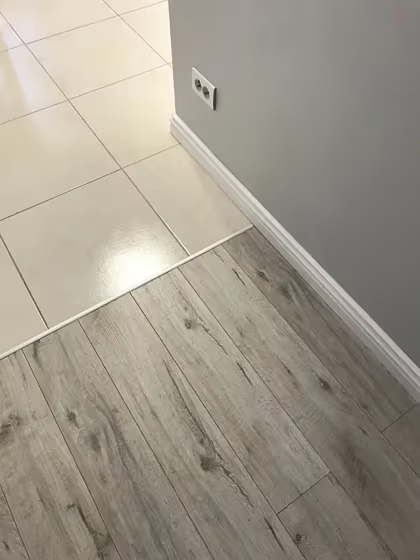
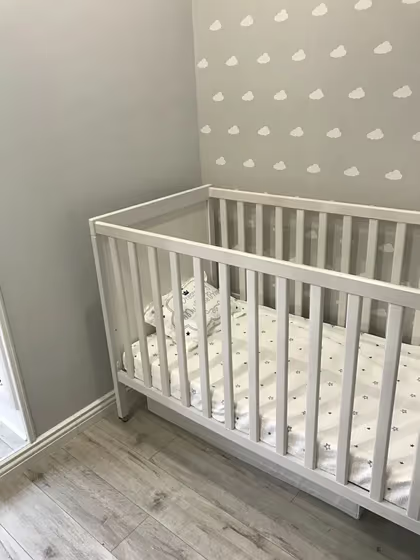
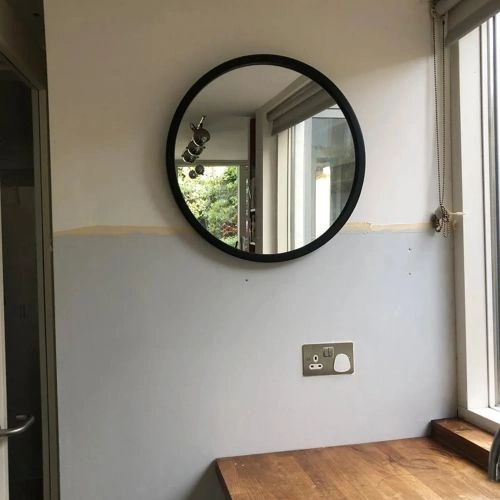
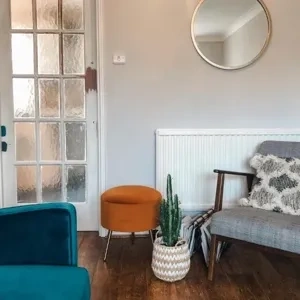
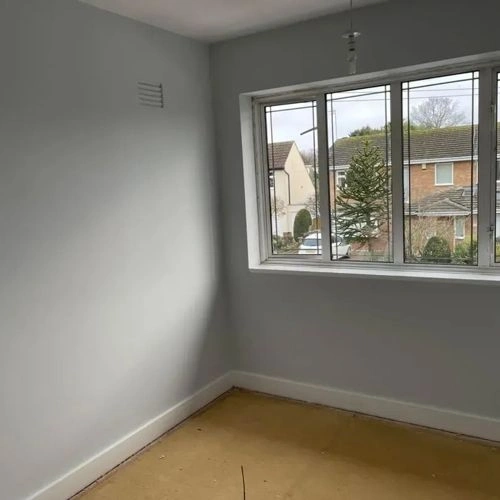
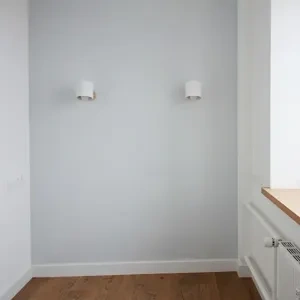
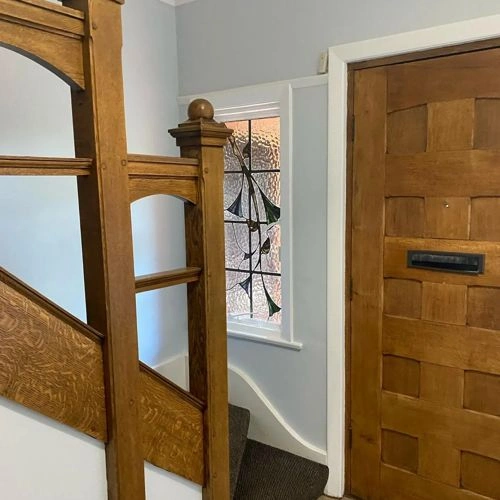
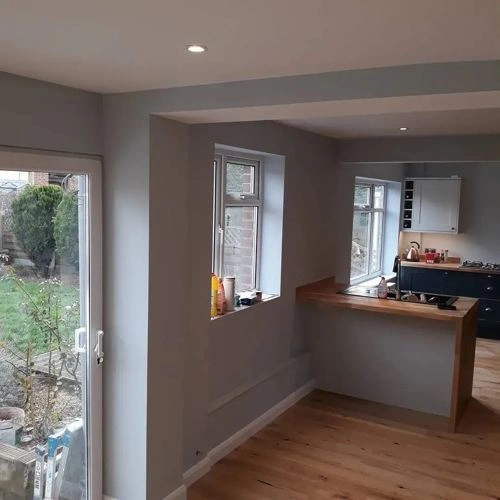
View the photos of real spaces painted with this grey that were not included in specific categories. Close-ups, painted furniture, storages and dressers, hallways, stairs and ceilings.
Try before you buy

100% accurate
reusable paint samples
Peel, stick,
and repeat
Twice painted
with real paint

Next day
delivery
What are Tikkurila H496 undertones?
H496 is a light, near-neutral light gray. Its chroma is so low that assigning a specific hue-based undertone would be misleading. Because it is close to neutral, nearby surfaces and the color of the light can noticeably change how warm or cool it appears.
HEX value:
RGB code:
211, 215, 215
Is Tikkurila H496 cool or warm?
warm
cool
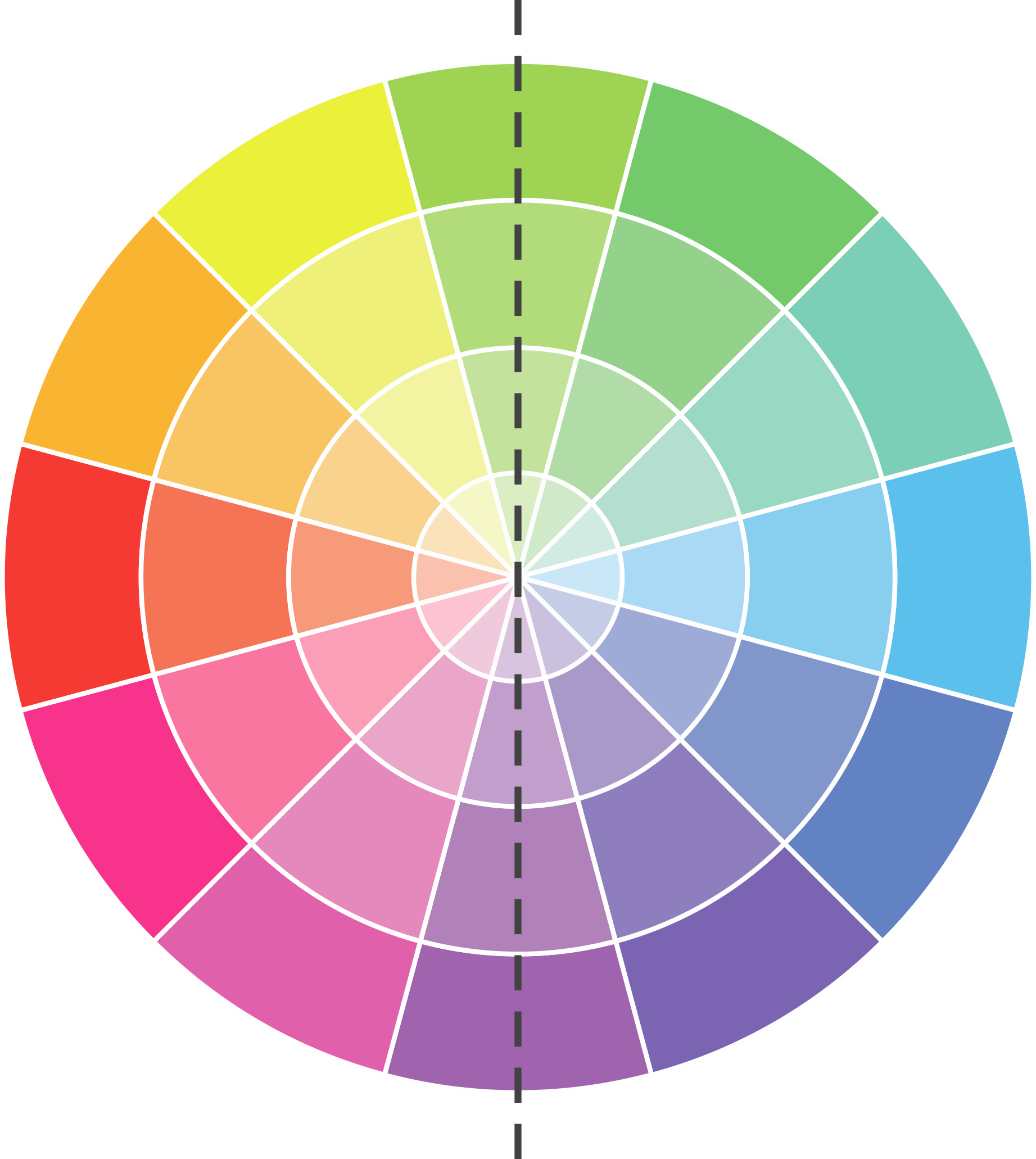
With a hue of 180°, this Grey leans cool, but it is near the neutral line and may feel warmer in certain lighting.
H496 HSL code: 180, 5%, 84%
Hue - degree on a color wheel from 0 to 360. 0 is red, 120 is green, and 240 is blue.
Saturation is expressed as a percentage. At 0%, it appears as a shade of grey, and at 100%, it is in full color.
Lightness is also a percentage value. 0% is black, and 100% is white.
How light temperature affects H496
Natural Lighting. During the day, natural light shifts from about 2000 K at sunrise/sunset to 5500–6500 K at noon.
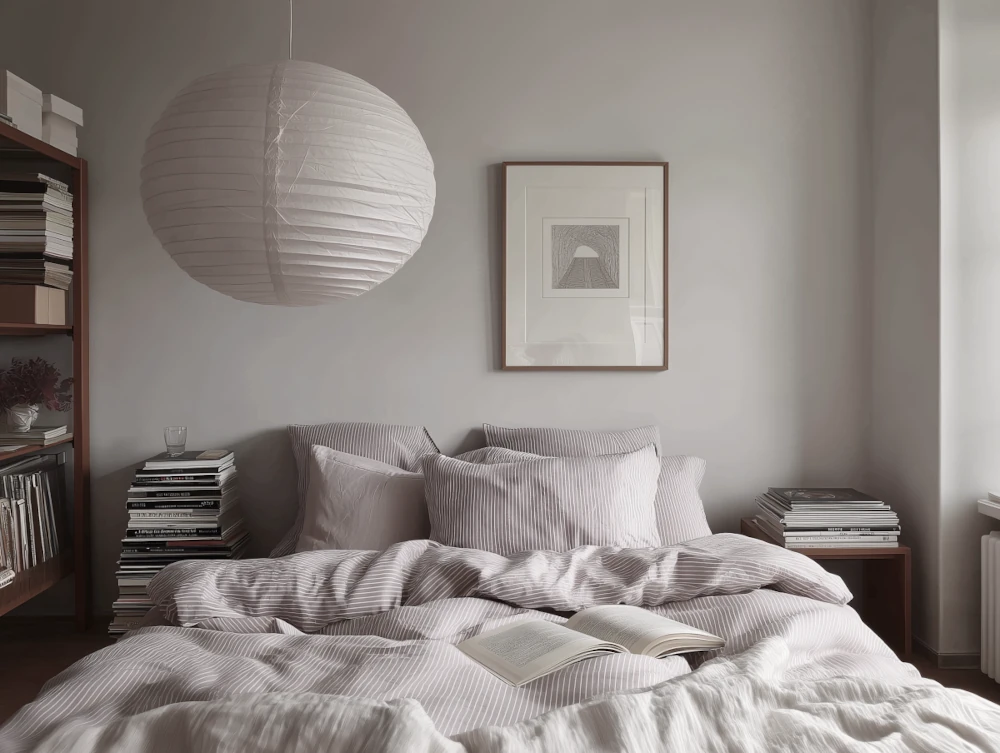
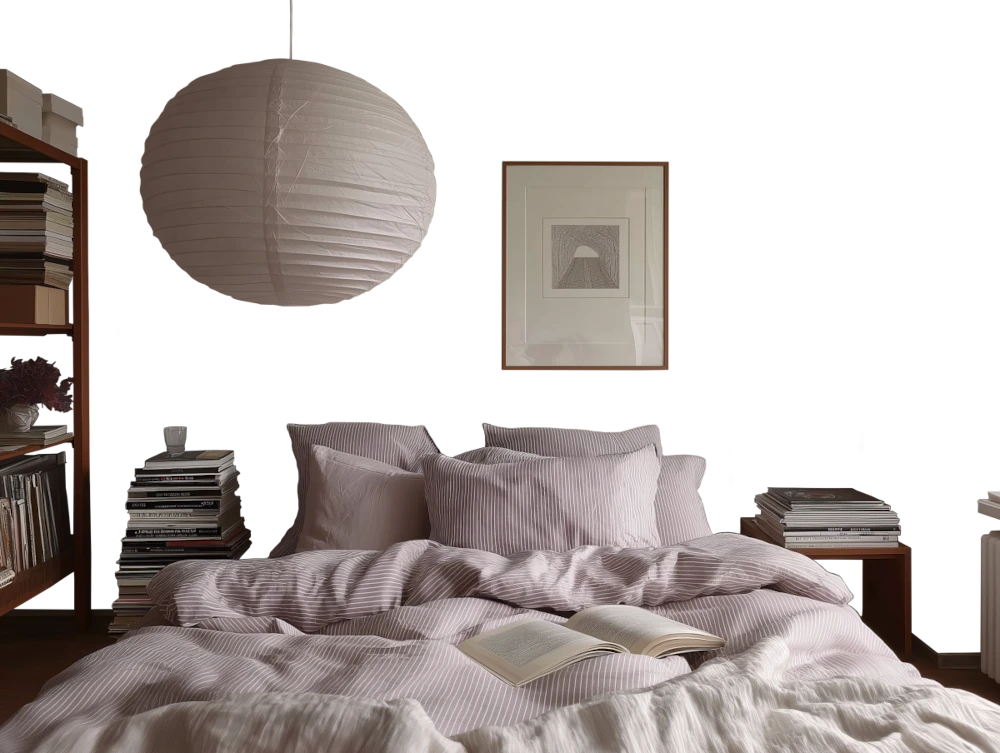
In addition, natural-light temperature depends on its direction:
| Direction of sunlight | Visible temp. | Hue | Duration |
|---|---|---|---|
| North | Cool | Bluish | All day |
| East | Warm | Yellow | Before noon |
| West | Warm | Orange-red | After noon |
| South | Warm | Orange-yellow | All day |
Artificial Lighting. When choosing bulbs, pay attention to their color temperature in Kelvins.
Use the slider to see how this Grey shade looks under different lighting:
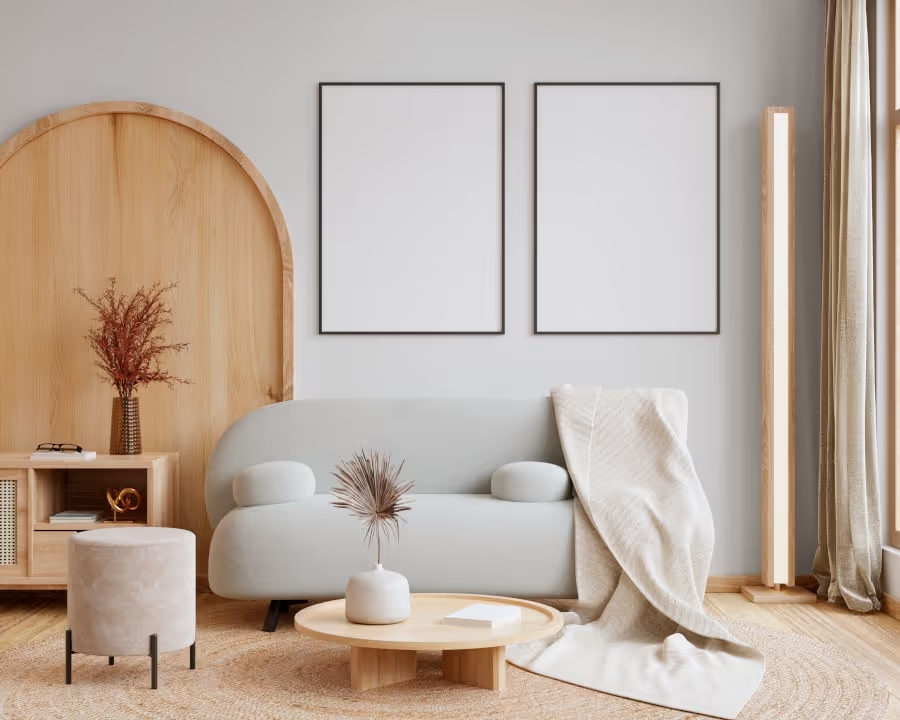
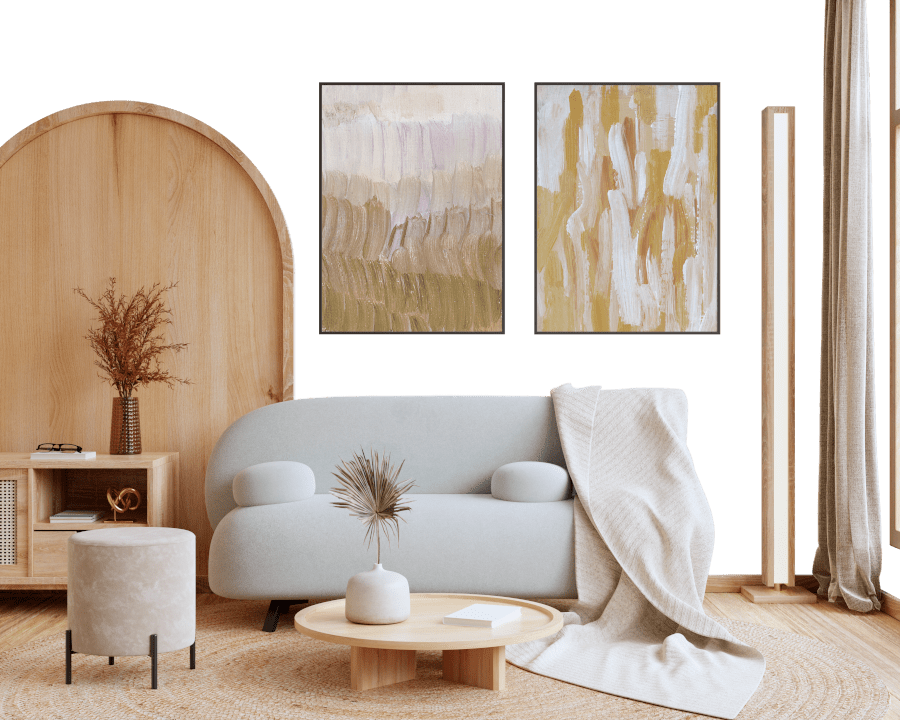
4000K



LRV of H496
H496 has an LRV of 66.98% and refers to Light colors that reflect most of the incident light. Why LRV is important?
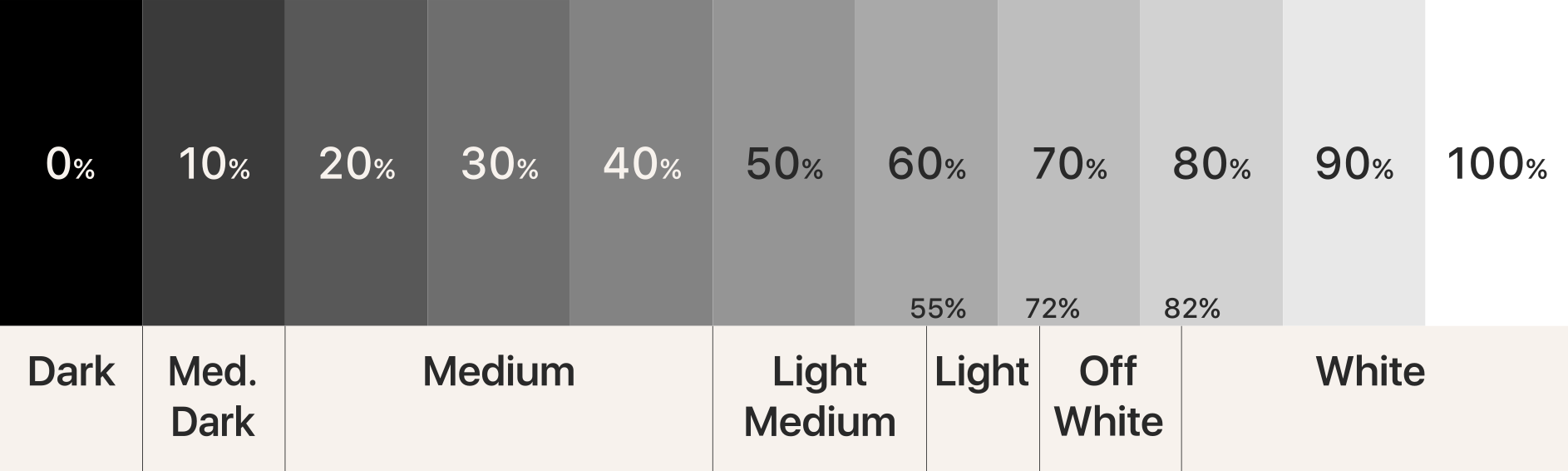
Light Reflectance Value measures the amount of visible and usable light that reflects from a painted surface.
Simply put, the higher the LRV of a paint color, the brighter the room you will get.
The scale goes from 0% (absolute black, absorbing all light) to 100% (pure white, reflecting all light).
Act like a pro: When choosing paint with an LRV of 66.98%, pay attention to your bulbs' brightness. Light brightness is measured in lumens. The lower the paint's LRV, the higher lumen level you need. Every square foot of room needs at least 40 lumens. That means for a 200 ft2 living room you'll need about 8000 lumens of light – e.g., eight 1000 lm bulbs.
Color codes
We have collected almost every possible color code you could ever need.
Not sure what the difference between HEX and RGB is? We break down color models in plain language. Understanding color models
| Format | Code |
|---|---|
| HEX | #D3D7D7 |
| RGB Decimal | 211, 215, 215 |
| RGB Percent | 82.75%, 84.31%, 84.31% |
| HSV | Hue: 180° Saturation: 1.86% Value: 84.31% |
| HSL | hsl(180, 5, 84) |
| CMYK | Cyan: 1.86 Magenta: 0.0 Yellow: 0.0 Key: 15.69 |
| YIQ | Y: 213.804 I: -2.384 Q: -0.846 |
| XYZ | X: 63.427 Y: 67.356 Z: 73.931 |
| CIE Lab | L:85.683 a:-1.357 b:-0.47 |
| CIE Luv | L:85.683 u:-2.24 v:-0.476 |
| Decimal | 13883351 |
| Hunter Lab | 82.071, -5.673, 4.04 |

Color equivalents
235
Borrowed Light
Farrow and Ball

H498
Tikkurila

30BG 72/017
Clouded Pearl 1
Dulux
10BB 73/026
Niagara Blues 6
Dulux
Silent Dove
Dulux
00NN 72/000
Goose White
Dulux
Pearl Grey
Dulux

72BG 75/023
Drifting Cloud
Dulux
17GY 68/005
Glacial Flow
Dulux
30BB 72/003
Grey Wisp
Dulux
G500
Bungalow
Tikkurila
183
Bone China Blue - Mid
Little Greene

04BB 75/027
Snail Trail
Dulux
30BB 72/040
Frosted Steel
Dulux

205
Skylight
Farrow and Ball

30BB 72/034
Atlantic Surf 6
Dulux
50BG 76/023
Quartz Flint 3
Dulux
Calm Sea
Dulux
50BG 54/028
Quartz Flint 2
Dulux
Horizon View
Dulux