

Dulux Glacial Flow 17GY 68/005
Contentsshow +hide -
| Code: | 17GY 68/005 |
| Name: | Glacial Flow |
| Brand: | Dulux |
What color is Dulux Glacial Flow?
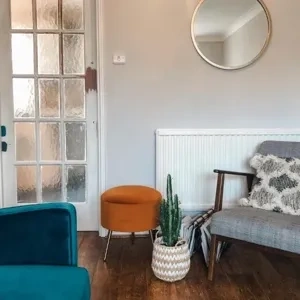
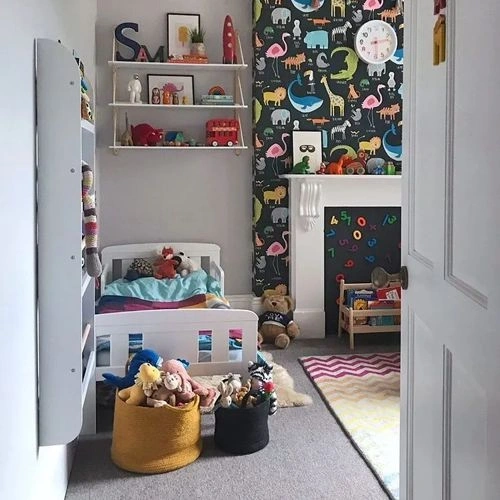
Dulux Glacial Flow 17GY 68/005 is a pale, low-saturation grey with an almost neutral appearance and the faintest warm cast. Its light value keeps walls looking open without reading as stark white, while the minimal colourfulness gives it a soft, powdery finish. In cool daylight, Glacial Flow can appear clean and silvery; under warmer lamps, its subtle beige-yellow hint becomes a little more noticeable. It suits broad wall areas in bedrooms, hallways, and living rooms, especially where a quiet background is needed for natural wood, brushed metal, or linen upholstery. Pair it with crisp off-whites for gentle contrast, charcoal details for definition, or muted greens and clay tones for a more grounded scheme.
Try before you buy

100% accurate
reusable paint samples

Peel, stick,
and repeat

Twice painted
with real paint

Next day
delivery
What are Dulux Glacial Flow undertones?
Glacial Flow is a light, near-neutral light gray. Its chroma is so low that assigning a specific hue-based undertone would be misleading. Because it is close to neutral, nearby surfaces and the color of the light can noticeably change how warm or cool it appears.
HEX value:
RGB code:
212, 212, 210
Is Dulux Glacial Flow cool or warm?
warm
cool
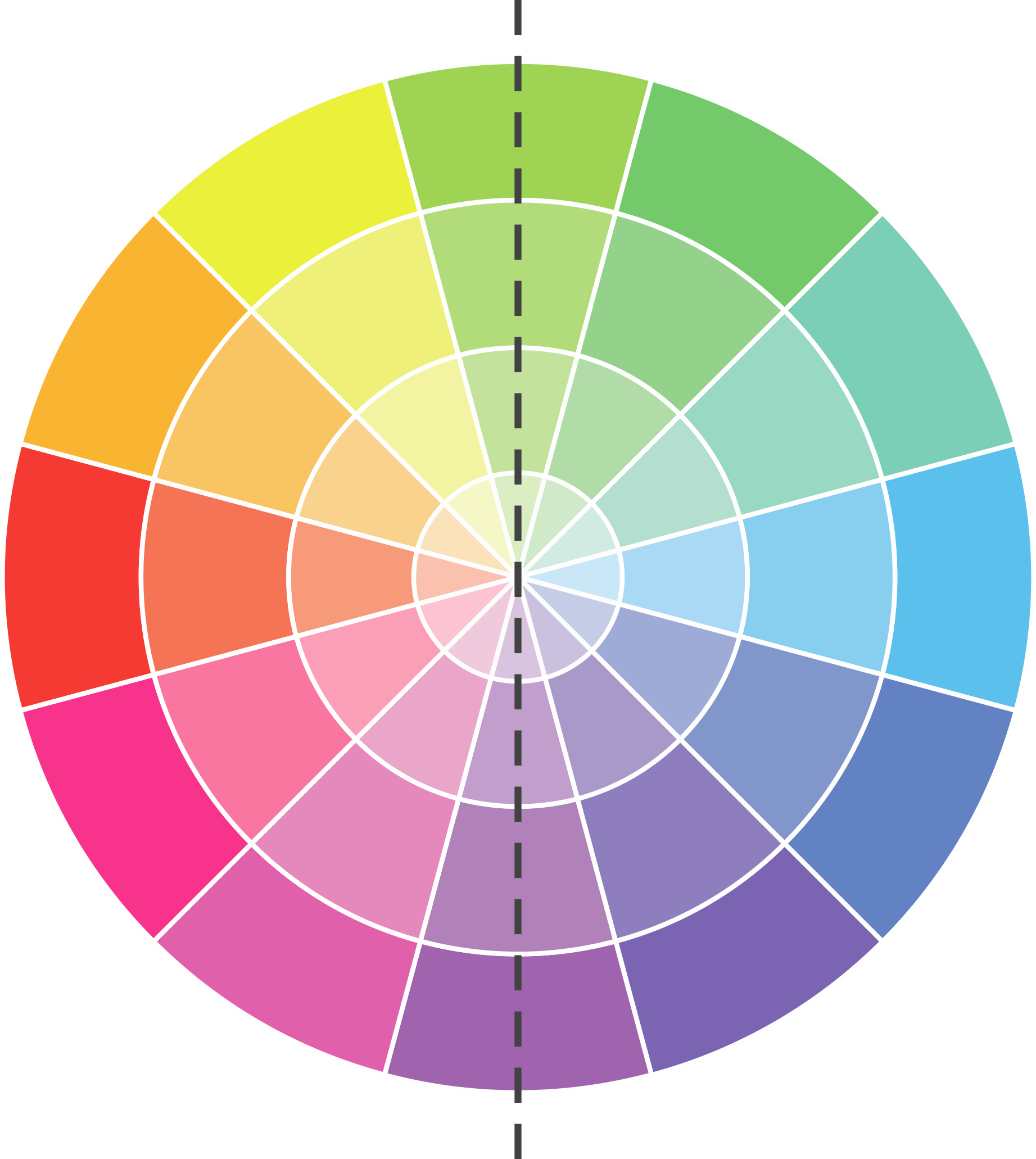
With a hue of 60°, this Grey leans warm, but it is close to neutral and can read cooler in some light.
17GY 68/005 Glacial Flow HSL code: 60, 2%, 83%
Hue - degree on a color wheel from 0 to 360. 0 is red, 120 is green, and 240 is blue.
Saturation is expressed as a percentage. At 0%, it appears as a shade of grey, and at 100%, it is in full color.
Lightness is also a percentage value. 0% is black, and 100% is white.
How light temperature affects Glacial Flow
Natural Lighting. During the day, natural light shifts from about 2000 K at sunrise/sunset to 5500–6500 K at noon.
In addition, natural-light temperature depends on its direction:
| Direction of sunlight | Visible temp. | Hue | Duration |
|---|---|---|---|
| North | Cool | Bluish | All day |
| East | Warm | Yellow | Before noon |
| West | Warm | Orange-red | After noon |
| South | Warm | Orange-yellow | All day |
Artificial Lighting. When choosing bulbs, pay attention to their color temperature in Kelvins.
Use the slider to see how this Grey shade looks under different lighting:
Coordinating colors.
Colors that go with Dulux Glacial Flow:
Monochromatic color scheme
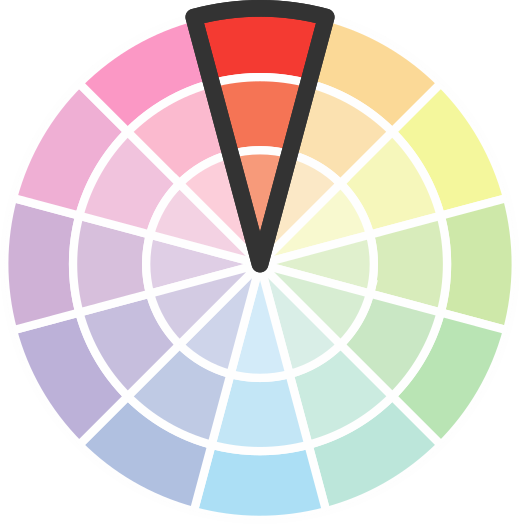
This scheme consists of various shades, tints, and tones of a single color. While it offers a perfect combination of hues, without accent décor it may become monotonous.
Lighter shades
17GY 68/005
Glacial Flow

Darker shades
17GY 68/005
Glacial Flow
Complementary color scheme
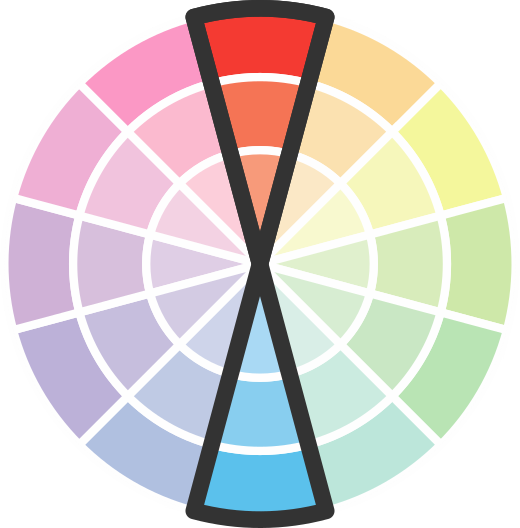
This color scheme is a combination of two shades that are opposite each other on the color wheel. The high contrast between these colors creates a vibrant and dynamic visual effect. For the color Glacial Flow with a orange hue, complementary colors are those with a blue hue close to 240, such as Dulux Fragrant Cloud 5 and Lilac Heather 5.






Color codes
We have collected almost every possible color code you could ever need.
Not sure what the difference between HEX and RGB is? We break down color models in plain language. Understanding color models
| Format | Code |
|---|---|
| HEX | #D4D4D2 |
| RGB Decimal | 212, 212, 210 |
| RGB Percent | 83.14%, 83.14%, 82.35% |
| HSV | Hue: 60° Saturation: 0.94% Value: 83.14% |
| HSL | hsl(60, 2, 83) |
| CMYK | Cyan: 0.0 Magenta: 0.0 Yellow: 0.94 Key: 16.86 |
| YIQ | Y: 211.772 I: 0.643 Q: -0.622 |
| XYZ | X: 62.325 Y: 65.737 Z: 70.36 |
| CIE Lab | L:84.862 a:-0.363 b:0.991 |
| CIE Luv | L:84.862 u:0.112 v:1.561 |
| Decimal | 13948114 |
| Hunter Lab | 81.078, -4.675, 5.303 |

Color equivalents
00NN 72/000
Goose White
Dulux

30BB 72/003
Grey Wisp
Dulux
Silent Dove
Dulux
224
Inox
Little Greene

Pearl Grey
Dulux

00NN 62/000
Night Jewels 5
Dulux
2011
Blackened
Farrow and Ball

Pebble Thoughts
Dulux
88BG 62/005
Light Charcoal
Dulux

H496
Tikkurila
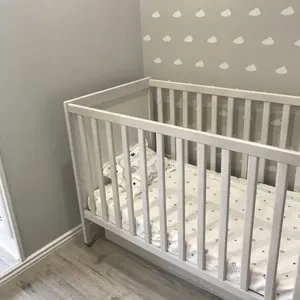
277
Dimpse
Farrow and Ball

50RR 72/010
Potters Clay 3
Dulux
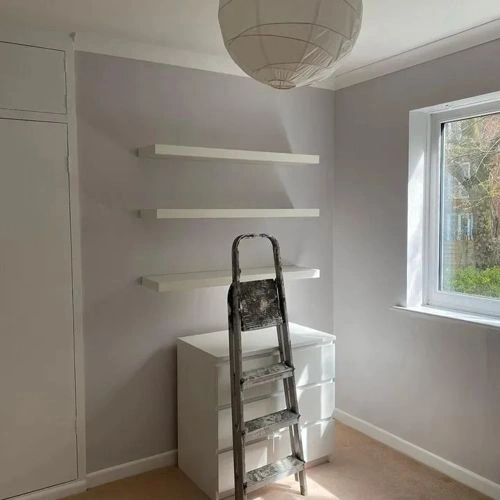
50GY 72/012
The Plaza
Dulux

183
Bone China Blue - Mid
Little Greene

30BG 72/017
Clouded Pearl 1
Dulux
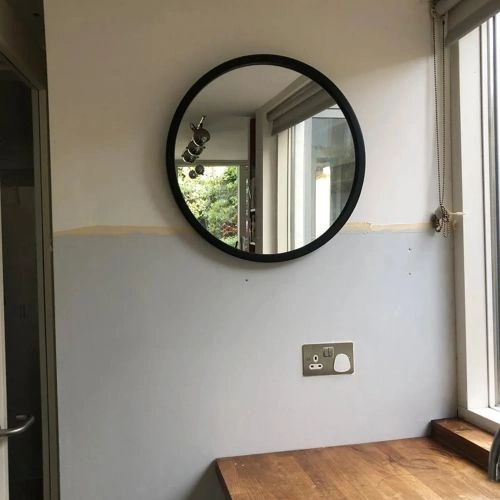
30YY 68/024
Thimble Case
Dulux

205
Skylight
Farrow and Ball

30YY 72/018
Romney Wool
Dulux
