

RAL Effect RAL 560-6
Contentsshow +hide -
| Code: | RAL 560-6 |
| Name: | |
| Brand: | RAL Effect |
What color is RAL Effect RAL 560-6?
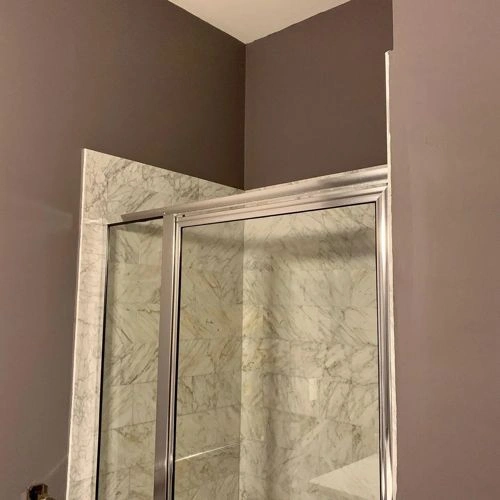
Let's dive into a full RAL 560-6 paint color review. Take a look at pictures of real interiors and exteriors painted with beautiful RAL 560-6. Find out if this gorgeous warm purple paint color would look great on your living room walls or trims, kitchen cabinet, bedroom accent wall, bathroom or house exterior.
RAL Effect RAL 560-6 reviews (23 photos)
View the photos of real spaces painted with this purple that were not included in specific categories. Close-ups, painted furniture, storages and dressers, hallways, stairs and ceilings.
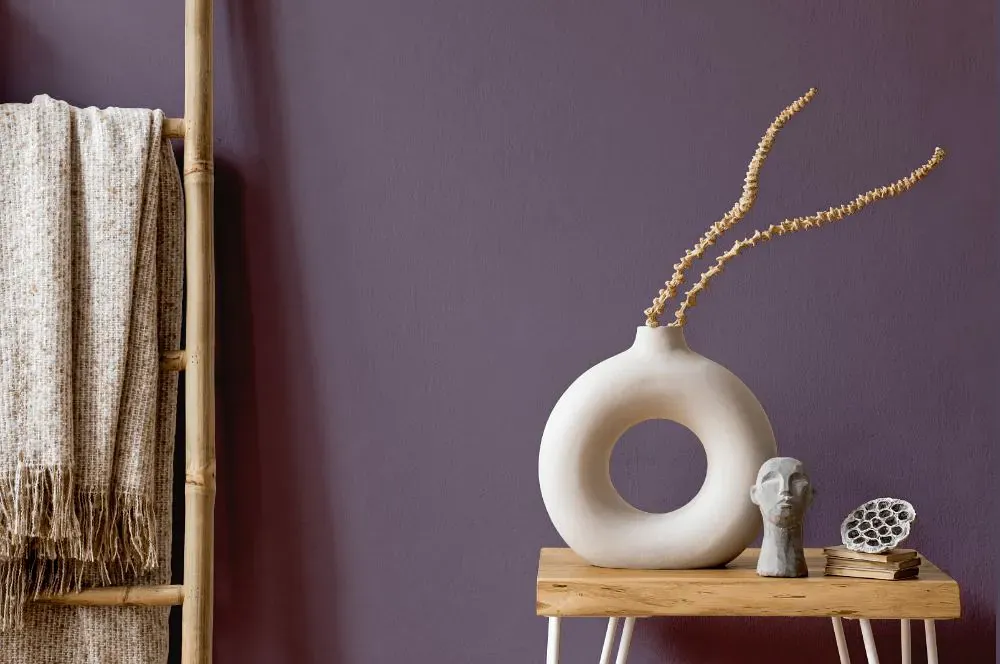
Plan Home visualization
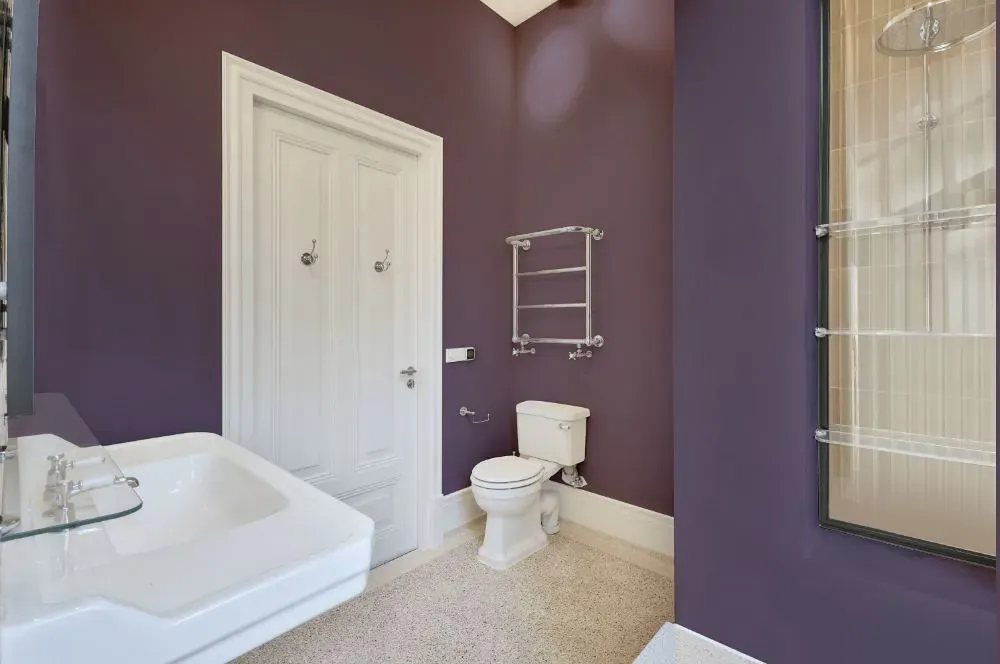
Plan Home visualization
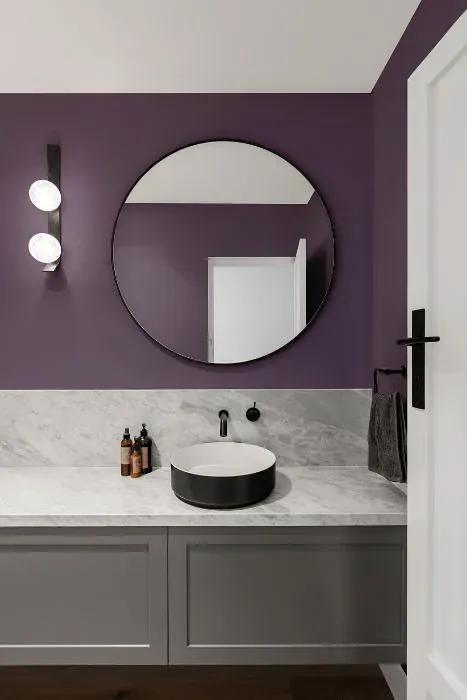
Plan Home visualization
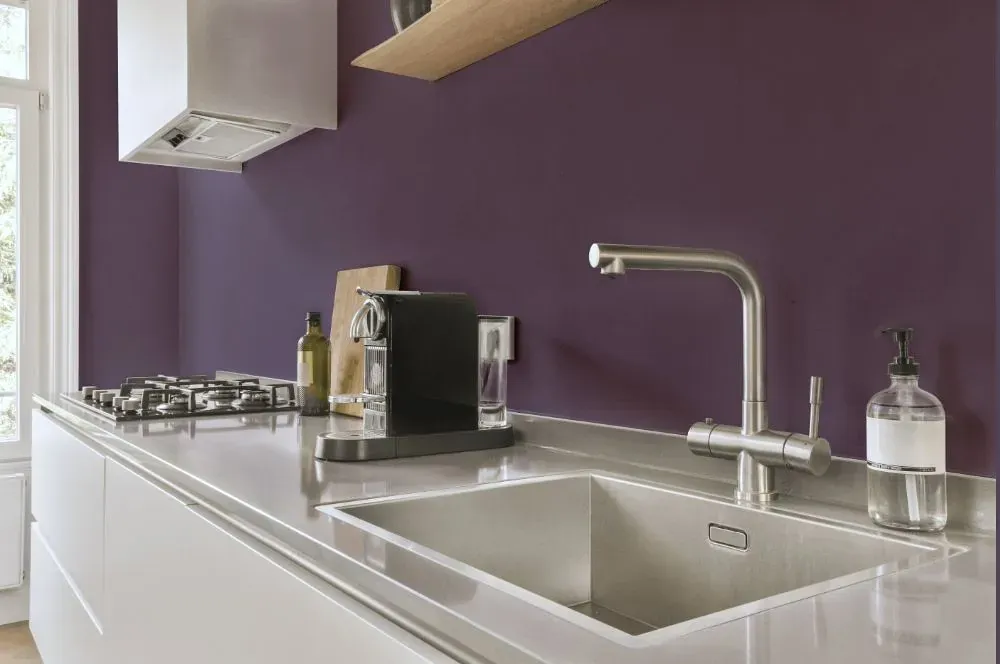
Plan Home visualization
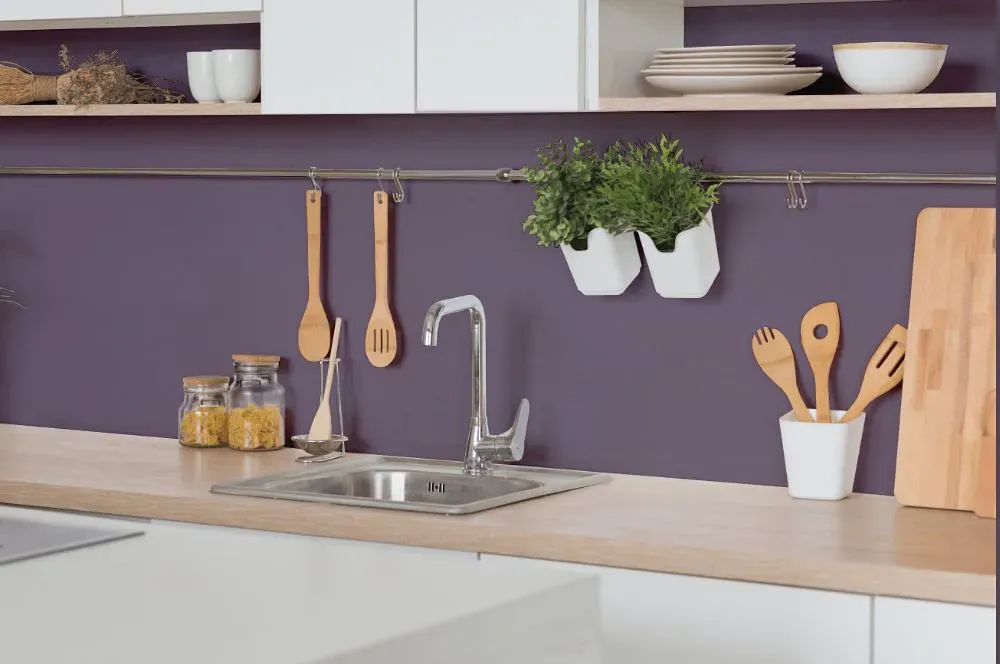
Plan Home visualization
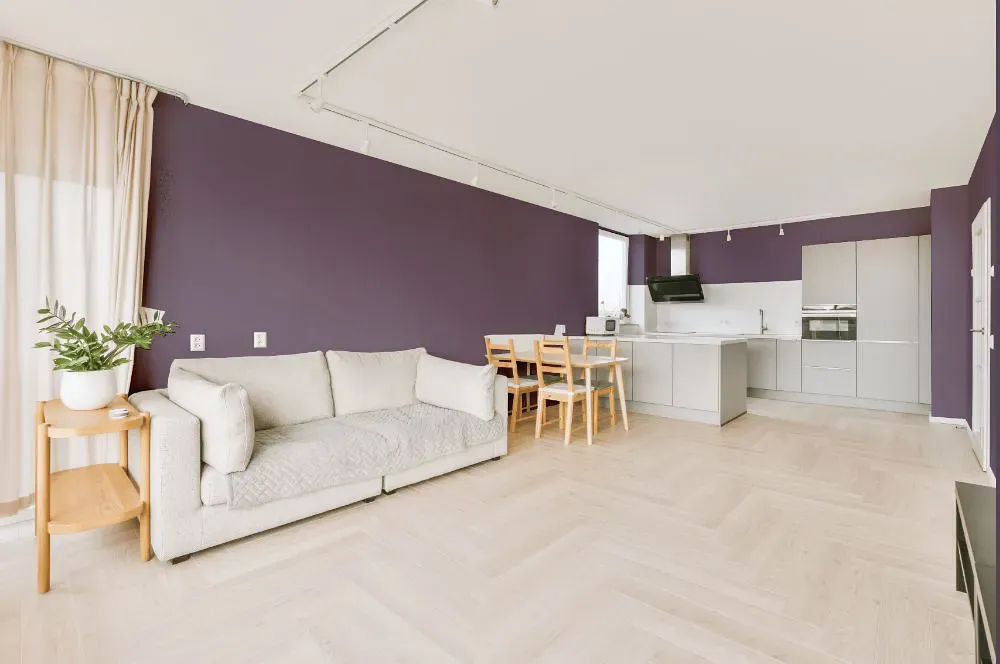
Plan Home visualization
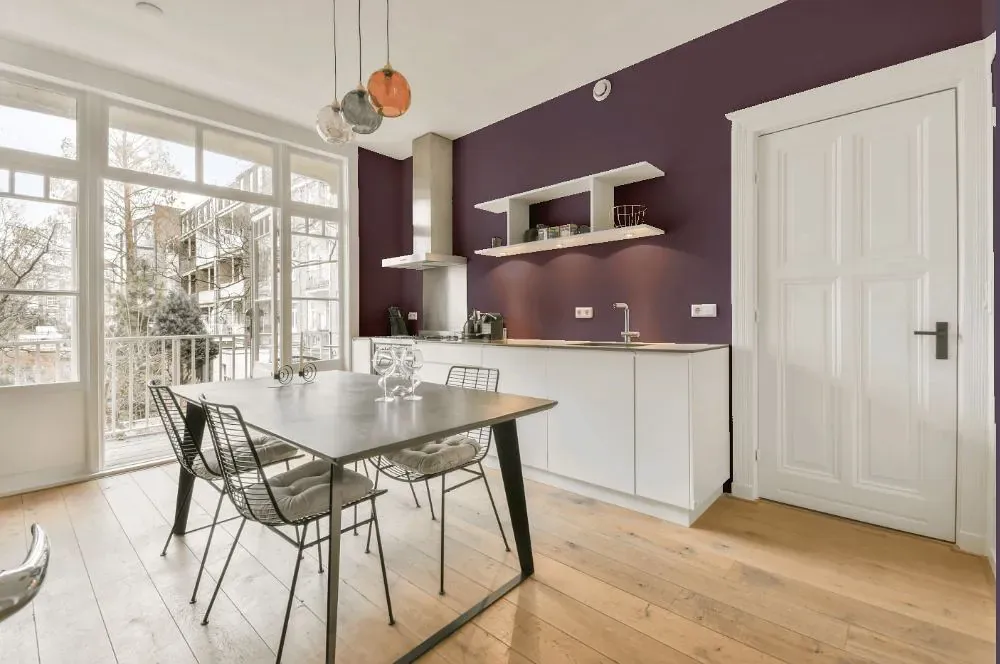
Plan Home visualization
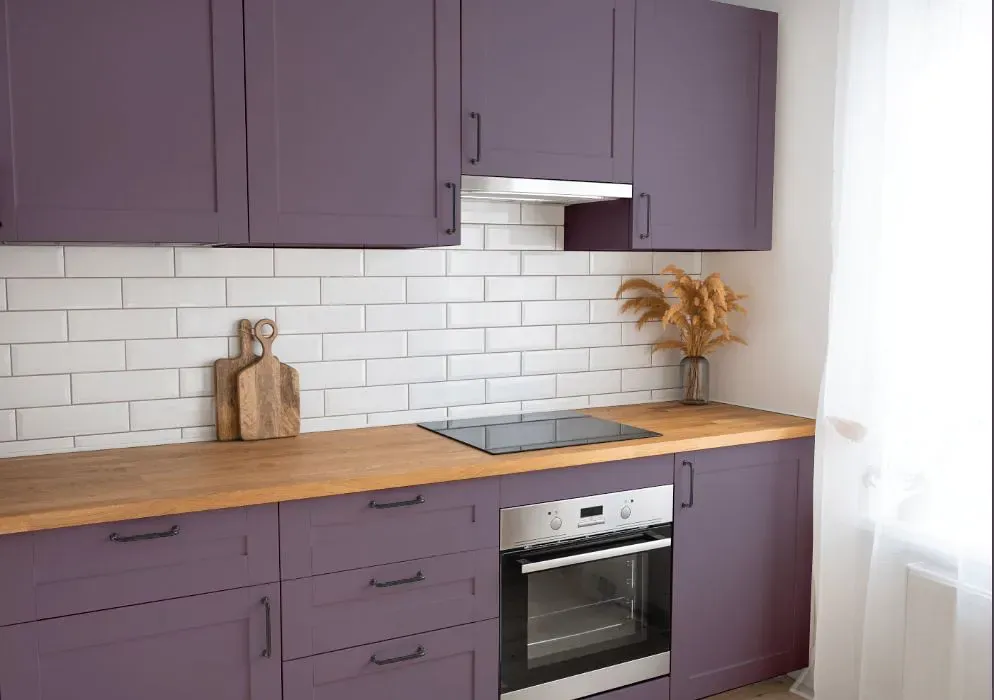
Plan Home visualization
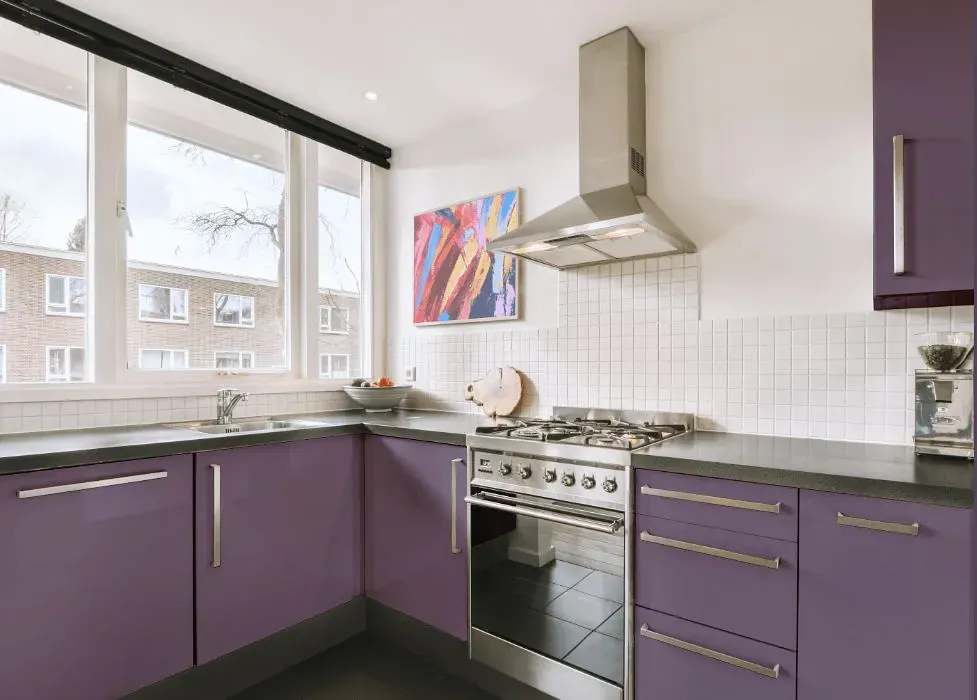
Plan Home visualization
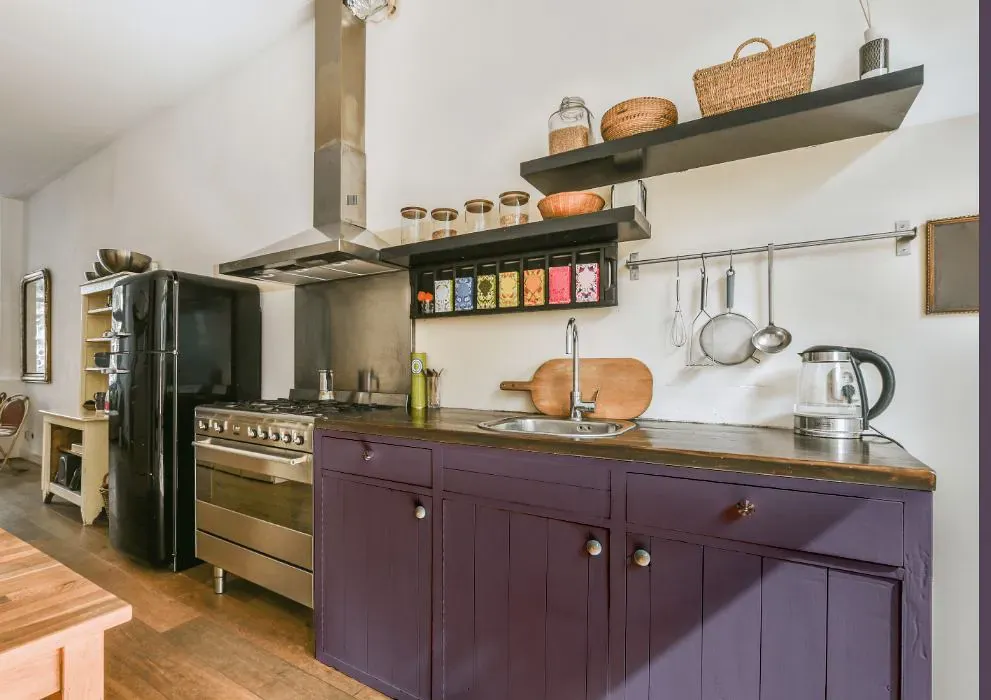
Plan Home visualization
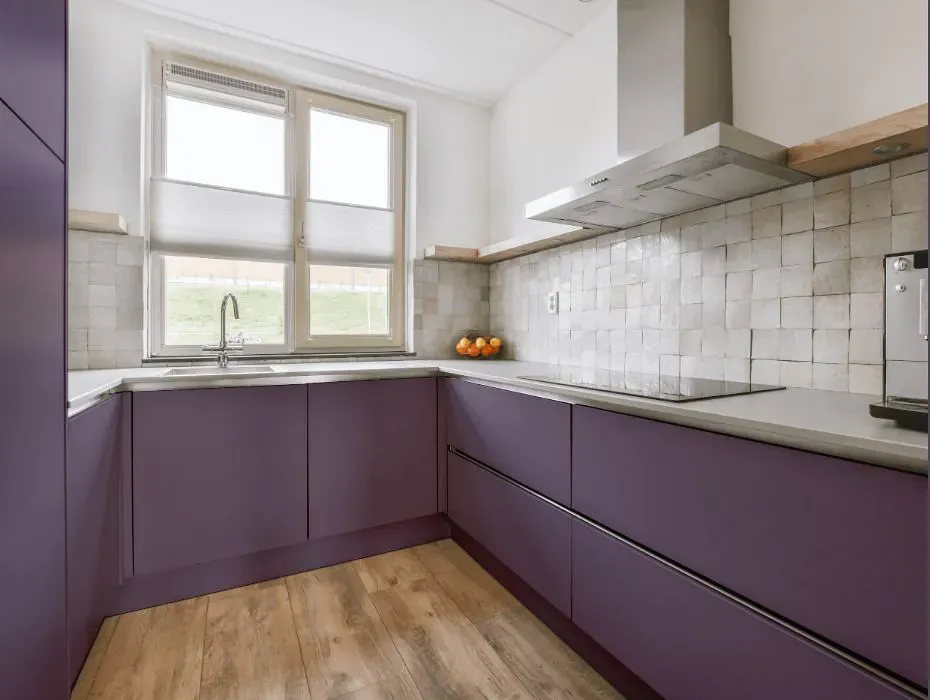
Plan Home visualization
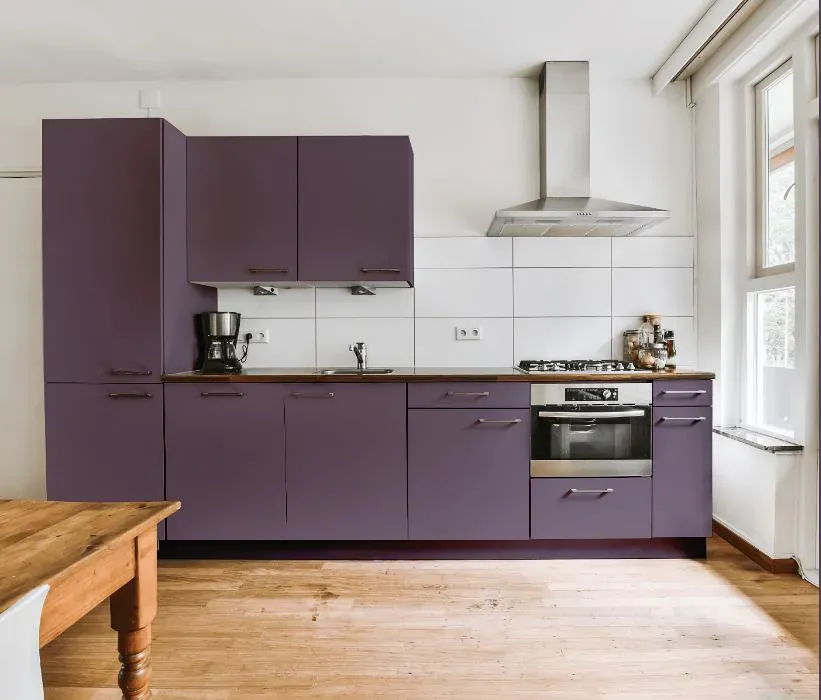
Plan Home visualization
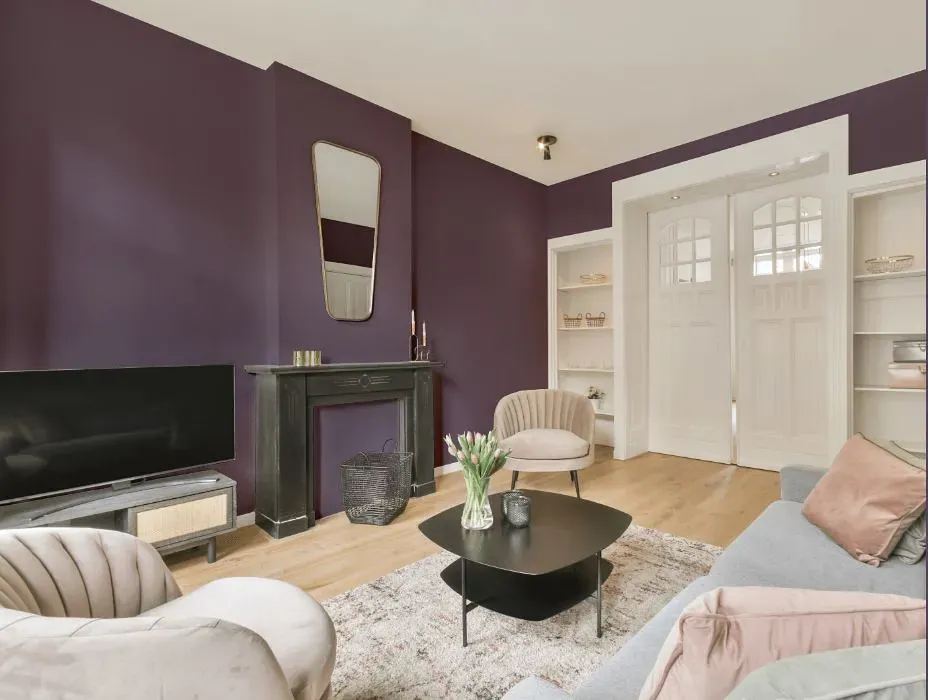
Plan Home visualization
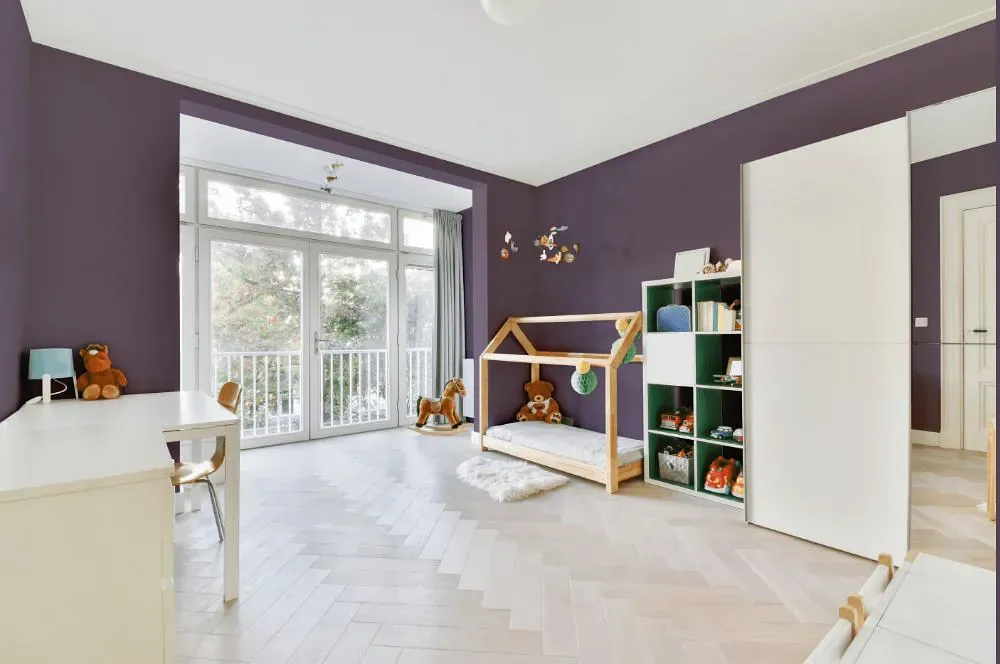
Plan Home visualization
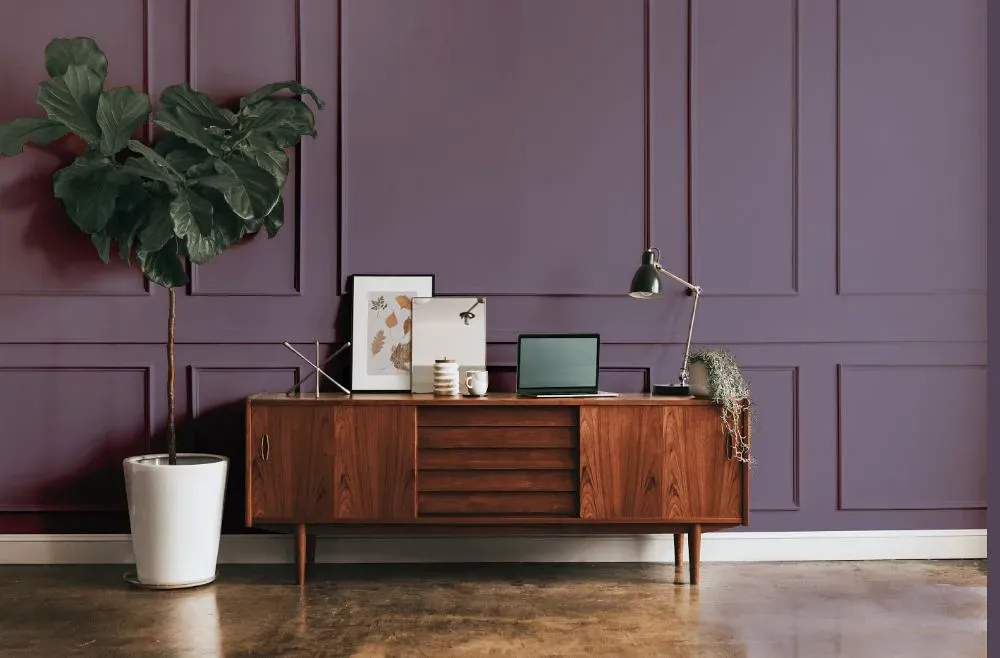
Plan Home visualization
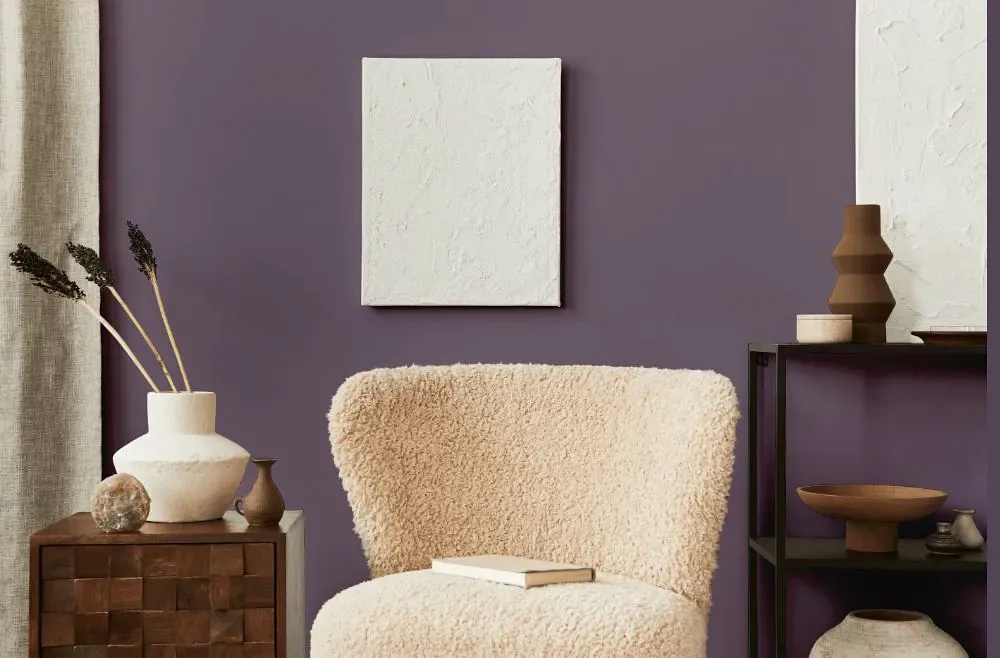
Plan Home visualization
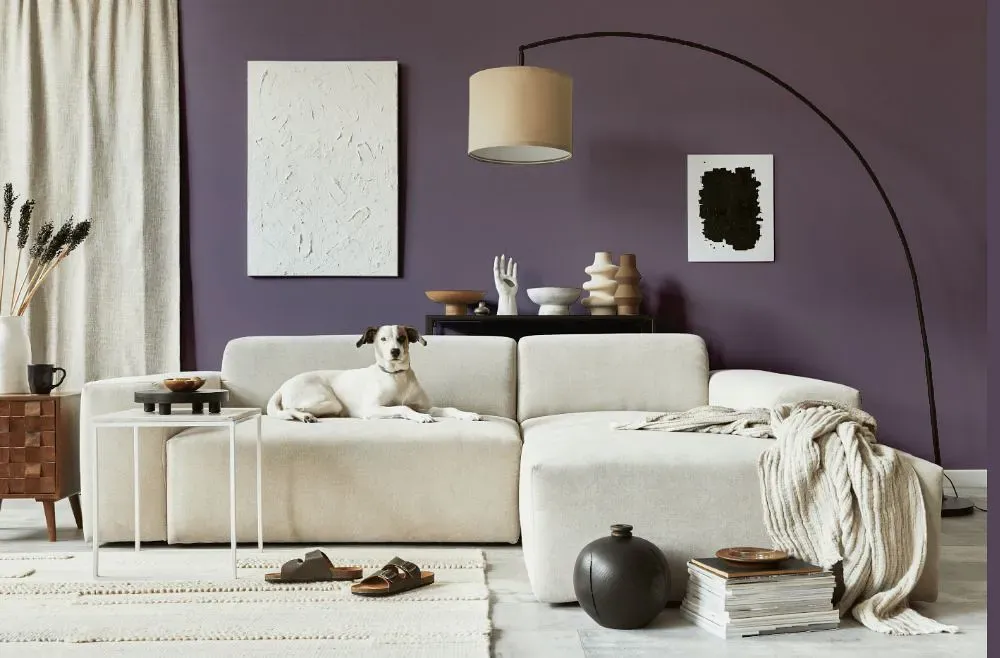
Plan Home visualization
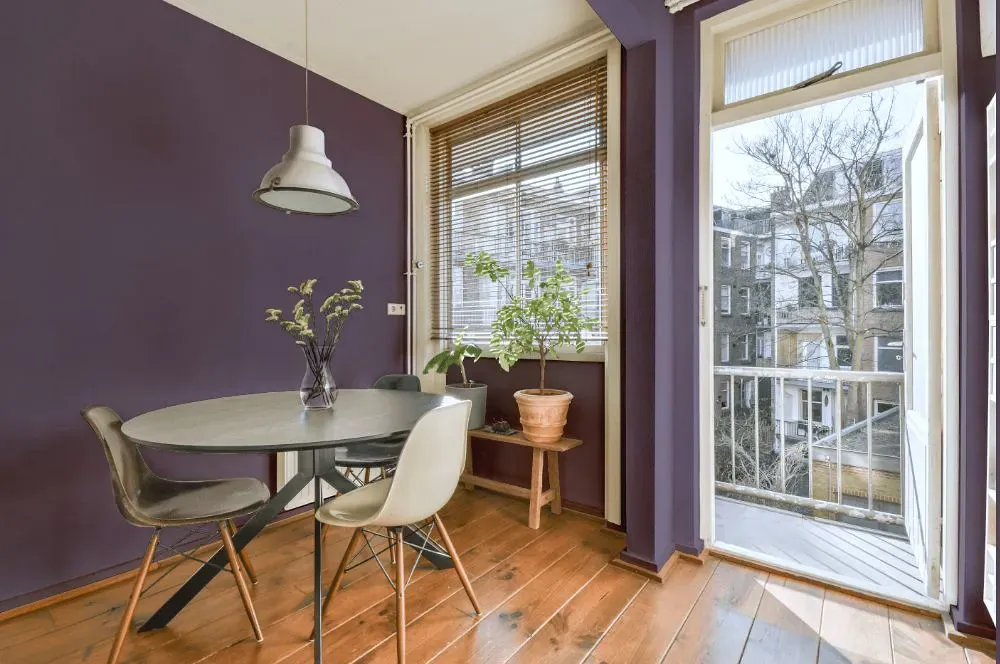
Plan Home visualization
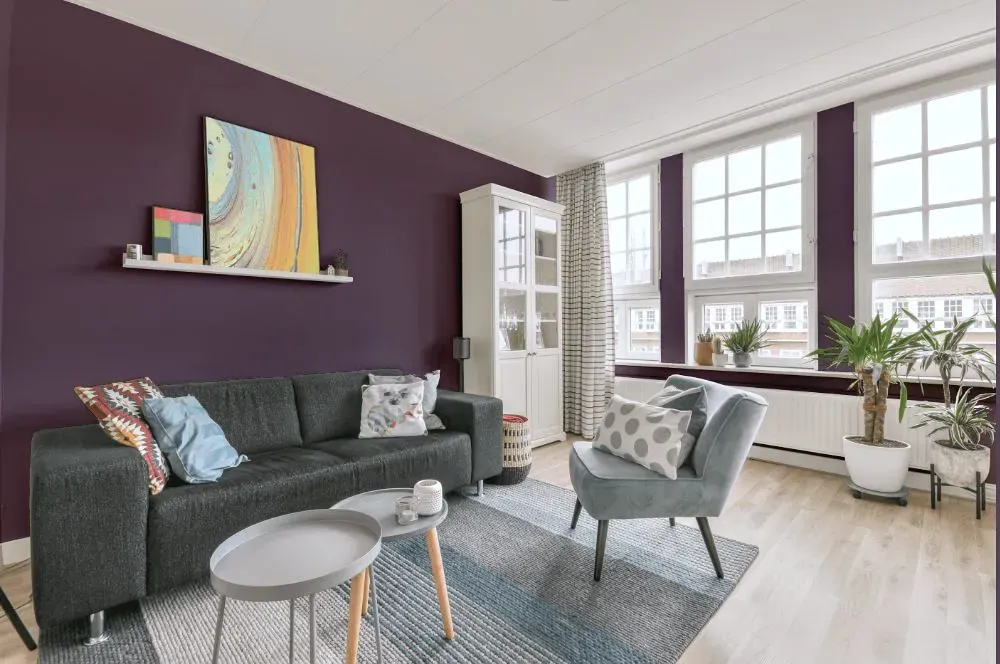
Plan Home visualization
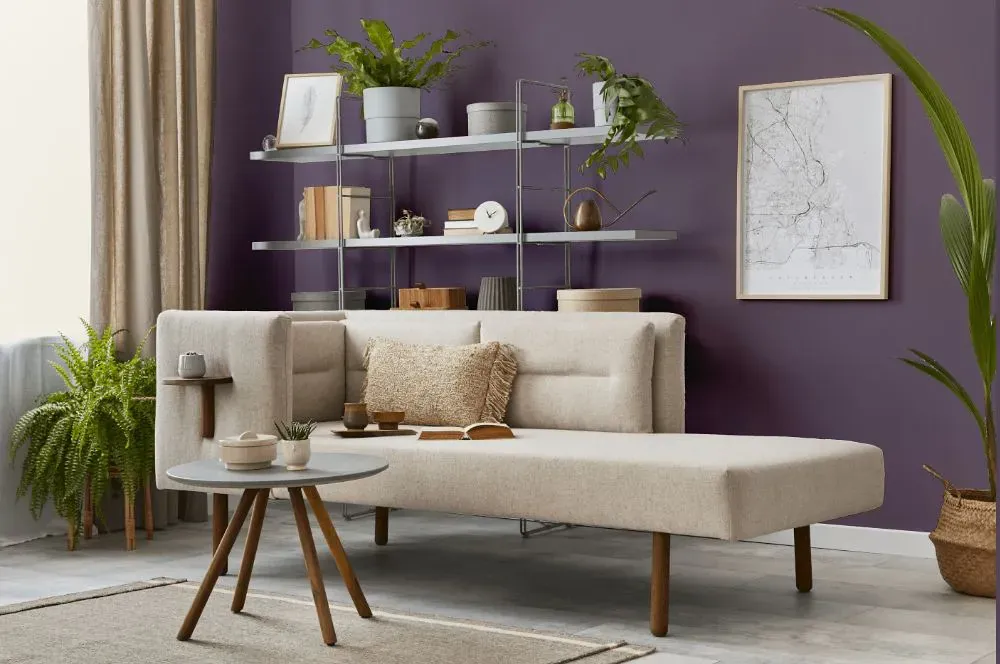
Plan Home visualization
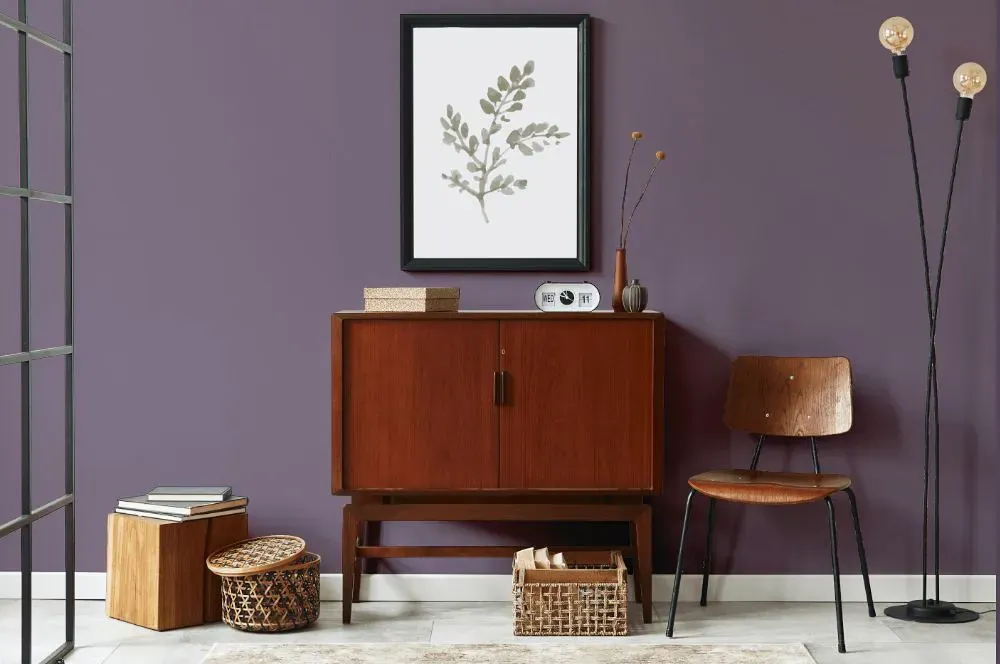
Plan Home visualization
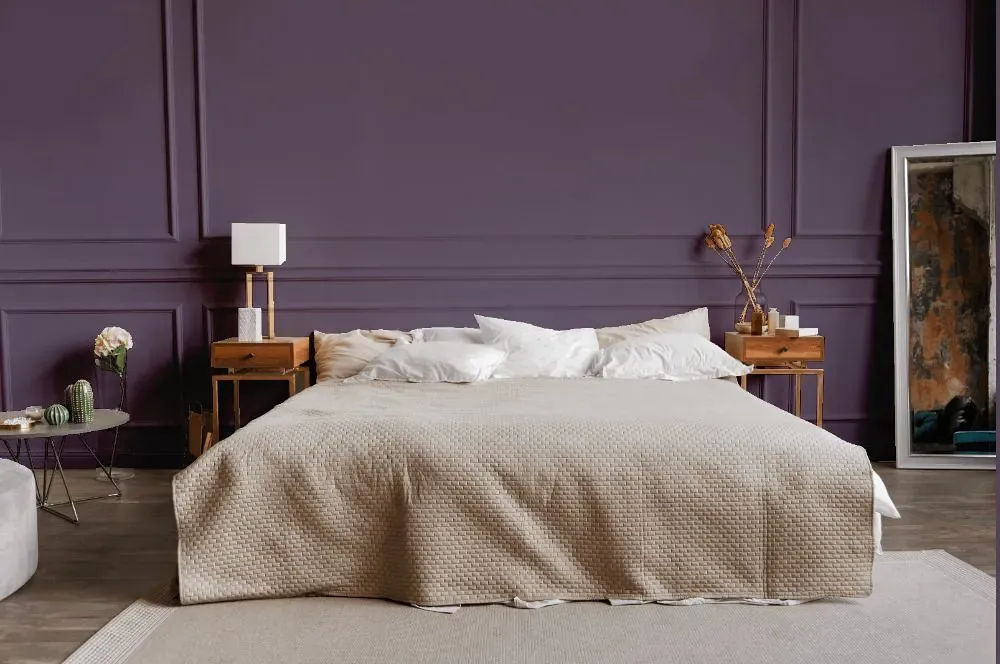
Plan Home visualization
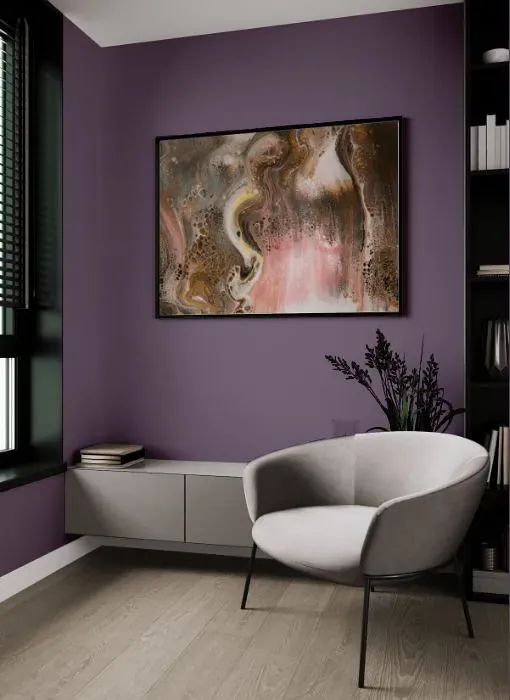
Plan Home visualization
Try before you buy

100% accurate
reusable paint samples

Peel, stick,
and repeat

Twice painted
with real paint

Next day
delivery
What are RAL Effect RAL 560-6 undertones?
RAL 560-6 is a midtone, muted plum-gray. The HEX sample leans purple; this describes its measurable digital hue direction, not a hidden paint pigment. Warm light may bring out its red or mauve side, while cool daylight can make the violet direction clearer.
HEX value:
RGB code:
125, 110, 127
Is RAL Effect RAL 560-6 cool or warm?
warm
cool
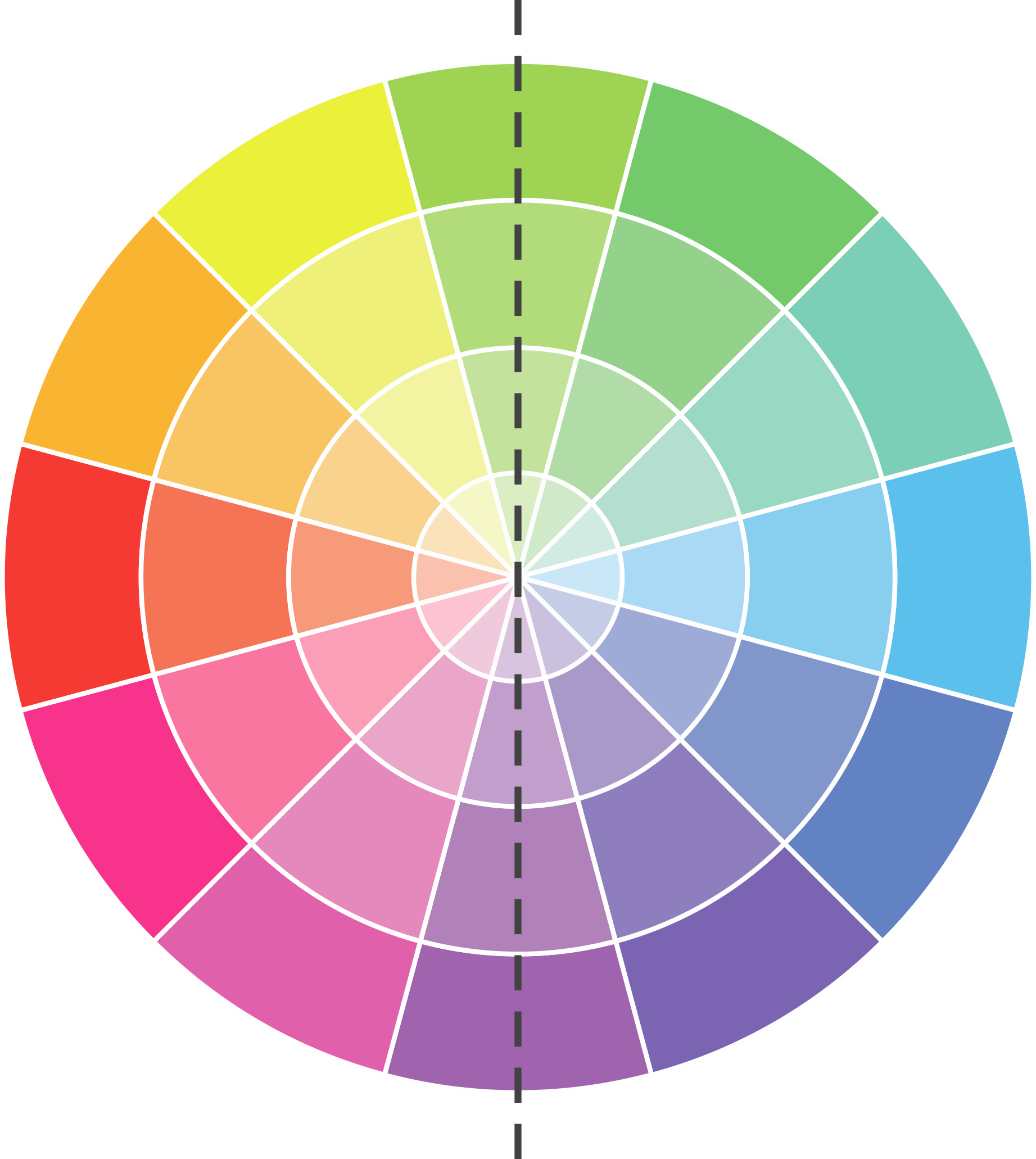
With a hue of 293°, this dark purple leans warm, but it is close to neutral and can read cooler in some light.
RAL 560-6 HSL code: 293, 7%, 46%
Hue - degree on a color wheel from 0 to 360. 0 is red, 120 is green, and 240 is blue.
Saturation is expressed as a percentage. At 0%, it appears as a shade of grey, and at 100%, it is in full color.
Lightness is also a percentage value. 0% is black, and 100% is white.
How light temperature affects RAL 560-6
Natural Lighting. During the day, natural light shifts from about 2000 K at sunrise/sunset to 5500–6500 K at noon.
In addition, natural-light temperature depends on its direction:
| Direction of sunlight | Visible temp. | Hue | Duration |
|---|---|---|---|
| North | Cool | Bluish | All day |
| East | Warm | Yellow | Before noon |
| West | Warm | Orange-red | After noon |
| South | Warm | Orange-yellow | All day |
Artificial Lighting. When choosing bulbs, pay attention to their color temperature in Kelvins.
Use the slider to see how this dark purple shade looks under different lighting:

LRV of RAL 560-6
RAL 560-6 has an LRV of 17.76% and refers to Medium Dark which means that this color reflects very little light. Why LRV is important?
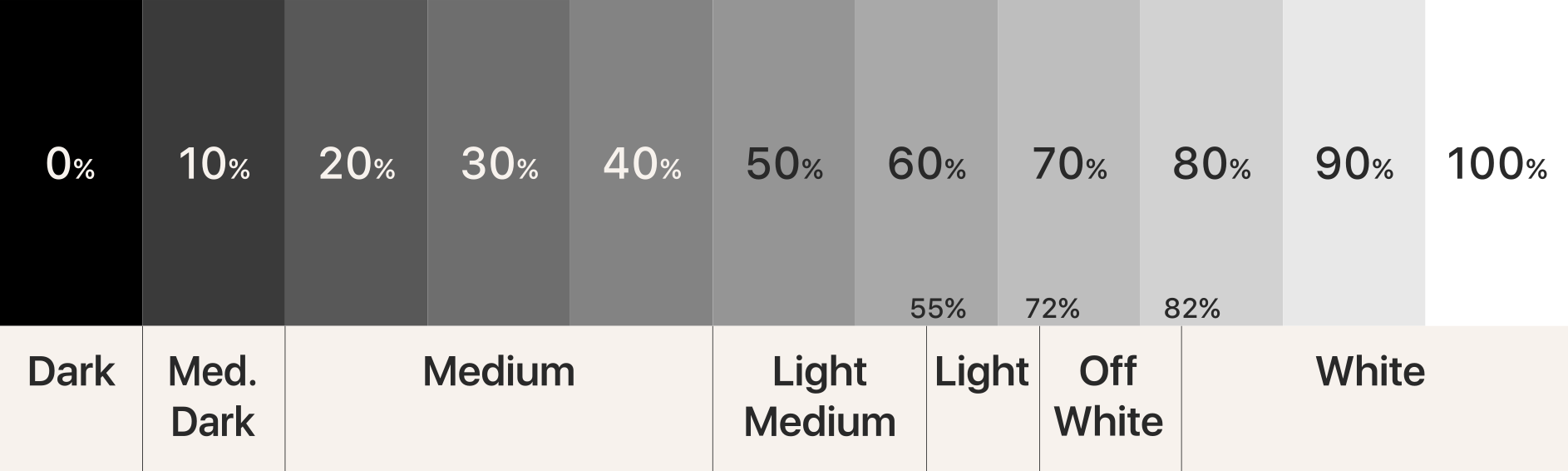
Light Reflectance Value measures the amount of visible and usable light that reflects from a painted surface.
Simply put, the higher the LRV of a paint color, the brighter the room you will get.
The scale goes from 0% (absolute black, absorbing all light) to 100% (pure white, reflecting all light).
Act like a pro: When choosing paint with an LRV of 17.76%, pay attention to your bulbs' brightness. Light brightness is measured in lumens. The lower the paint's LRV, the higher lumen level you need. Every square foot of room needs at least 40 lumens. That means for a 200 ft2 living room you'll need about 8000 lumens of light – e.g., eight 1000 lm bulbs.
Color codes
We have collected almost every possible color code you could ever need.
Not sure what the difference between HEX and RGB is? We break down color models in plain language. Understanding color models
| Format | Code |
|---|---|
| HEX | #7D6E7F |
| RGB Decimal | 125, 110, 127 |
| RGB Percent | 49.02%, 43.14%, 49.80% |
| HSV | Hue: 293° Saturation: 13.39% Value: 49.8% |
| HSL | hsl(293, 7, 46) |
| CMYK | Cyan: 1.57 Magenta: 13.39 Yellow: 0.0 Key: 50.2 |
| YIQ | Y: 116.423 I: 3.476 Q: 8.463 |
| XYZ | X: 17.863 Y: 17.044 Z: 22.422 |
| CIE Lab | L:48.316 a:9.18 b:-7.215 |
| CIE Luv | L:48.316 u:7.429 v:-11.44 |
| Decimal | 8220287 |
| Hunter Lab | 41.285, 4.986, -3.301 |
Color equivalents
SW 6557
Wood Violet
Sherwin Williams

AF-590
Tempest
Benjamin Moore
RAL 560-5
RAL Effect
1385
Cupid's Dart
Benjamin Moore
SW 6277
Special Gray
Sherwin Williams

SW 6263
Exclusive Plum
Sherwin Williams

RAL 4001
Red lilac
RAL Classic
RAL 540-3
RAL Effect
1378
Lazy Afternoon
Benjamin Moore
CC-38
Nightfall Sky
Benjamin Moore
SW 6838
Vigorous Violet
Sherwin Williams
CSP-460
Pinot Grigio Grape
Benjamin Moore
1371
Plum Perfect
Benjamin Moore
1392
Fire and Ice
Benjamin Moore
2117-40
Tropical Dusk
Benjamin Moore

CSP-15
Arctic Seal
Benjamin Moore

271
Brassica
Farrow and Ball


RAL 540-5
RAL Effect

RAL 4008
Signal violet
RAL Classic

RAL 870-3
RAL Effect
